Toyota Gazoo Racing South Africa has officially invited female drivers to compete in the prestigious GR Cup series, marking a strategic shift in the continent’s premier motor racing category. This move places women directly in the hot seat of one of Southern Africa’s most competitive single-seater championships. The announcement signals a deliberate effort to broaden participation and unlock new talent pools across the region.
Breaking Barriers in the GR Cup Series
The GR Cup has long been regarded as a proving ground for future Formula 1 stars and touring car champions. By opening the grid to ladies, Toyota Gazoo Racing South Africa is challenging traditional gender norms that have historically dominated the sport. This decision is not merely symbolic; it introduces a fresh dynamic to the competitive landscape. Drivers will now face a more diverse set of rivals, forcing teams to adapt their strategies.
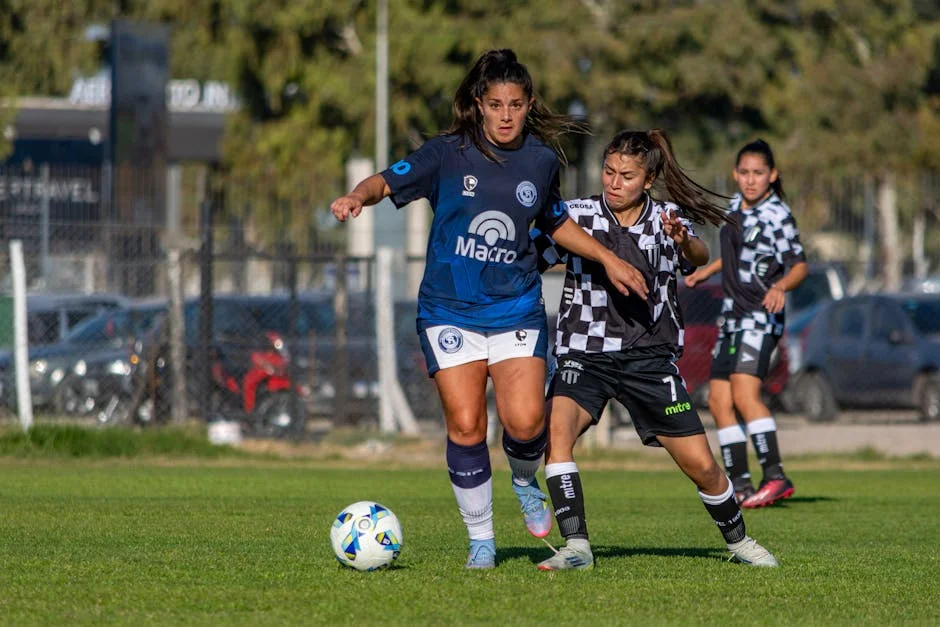
This development aligns with broader continental goals to increase female participation in STEM-related fields and technical trades. Motorsport serves as a visible platform to inspire young girls in engineering, mechanics, and strategic thinking. The visibility of female drivers in high-speed competition helps dismantle stereotypes about women’s capabilities in technical roles. Such representation is crucial for long-term social change in industries traditionally dominated by men.
Strategic Expansion by Toyota Gazoo Racing
Toyota Gazoo Racing South Africa continues to demonstrate its commitment to evolving the sport beyond traditional boundaries. The company has invested heavily in infrastructure and talent identification programs across the subcontinent. This expansion into the ladies’ category reflects a data-driven approach to talent acquisition. By casting a wider net, the organization ensures that no potential champion is left behind due to gender-based exclusions.
The GR Cup is known for its rigorous testing and high-performance vehicles. These cars require precise handling and acute reflexes, traits that female drivers have increasingly proven they possess. The inclusion of ladies adds depth to the field, raising the overall standard of competition. Teams must now analyze new driving styles and adapt their pit-stop strategies accordingly. This evolution keeps the championship fresh and engaging for fans and sponsors alike.
Infrastructure and Technical Development
The success of this initiative relies on robust technical support and infrastructure. Toyota has established state-of-the-art workshops and training facilities in South Africa. These centers provide female drivers with access to the same resources as their male counterparts. Equal access to technology and data analysis tools is essential for leveling the playing field. Without such infrastructure, talent alone may not be enough to secure victory.
Investment in these facilities also creates jobs and stimulates local economies. Mechanics, engineers, and data analysts are employed to maintain the high standards required by the GR Cup. This economic ripple effect extends beyond the racetrack, contributing to the broader development goals of the region. The sport becomes a vehicle for economic growth, not just entertainment. This dual benefit strengthens the argument for continued corporate investment in motorsport.
Economic Impact on the Regional Motorsport Ecosystem
The introduction of a dedicated ladies’ focus within the GR Cup has immediate economic implications. Sponsors are increasingly looking for diverse narratives to connect with modern consumers. Female drivers offer new branding opportunities for companies seeking to appeal to a wider demographic. This shift can lead to increased sponsorship deals, which in turn fund more races and better facilities. The financial health of the championship improves as the audience base expands.
Local businesses in host cities also benefit from the influx of teams and fans. Hotels, restaurants, and transport services see a surge in revenue during race weekends. The GR Cup is a major contributor to the tourism sector in South Africa. By attracting more participants and spectators, the series amplifies this economic boost. This economic activity supports local communities and reinforces the value of the sport as a development tool.
Challenges Facing Female Drivers in African Motorsport
Despite the progress, significant challenges remain for women entering the GR Cup. Funding is often the biggest hurdle, as female drivers may have less access to traditional sponsorship networks. Building a reliable roster of sponsors requires time and consistent performance on the track. Drivers must prove their worth through results to secure long-term financial backing. This pressure can be intense, especially in a cost-competitive series like the GR Cup.
Infrastructure gaps in certain regions can also limit participation. Not all female drivers have equal access to testing days and professional coaching. Geographic disparities mean that talent from smaller markets may struggle to break into the top tier. Addressing these logistical challenges requires coordinated efforts between teams, federations, and corporate sponsors. Without systemic support, individual talent may be wasted.
Alignment with Continental Development Goals
This initiative by Toyota Gazoo Racing South Africa supports broader African Union goals for gender equality and economic growth. The continent is actively seeking ways to integrate women into key economic sectors, including technology and engineering. Motorsport provides a high-profile stage to showcase female competence in these fields. This visibility can inspire policy changes and educational reforms in other sectors. The sport acts as a catalyst for wider social progress.
Furthermore, the GR Cup promotes regional integration by bringing together drivers from various African nations. This cross-border competition fosters diplomatic ties and cultural exchange. It strengthens the sense of a shared continental identity through sport. Such integration is vital for the economic and political stability of Africa. The GR Cup serves as a microcosm of the broader pan-African vision.
Future Prospects and What to Watch Next
The upcoming season will be critical in determining the long-term impact of this decision. Fans and analysts will closely monitor the performance of the initial cohort of female drivers. Their results will influence future sponsorship decisions and team strategies. Success on the track will validate the investment and encourage further expansion. Failure to perform could lead to skepticism and potential retrenchment.
Stakeholders should watch for announcements regarding additional support programs for female drivers. Toyota Gazoo Racing South Africa may introduce scholarship schemes or mentorship initiatives. These programs could help mitigate the funding and infrastructure challenges mentioned earlier. The next six months will reveal how seriously the organization is committed to sustaining this diversity drive. The outcome will set a precedent for other racing series across the continent.
See Also
- Chile Partners with Local Communities Ahead of Mundial: Implications for Africa
- Mourinho Captures Merengues Heart — How Real Madrid Shapes African Football Aspirations