The African Union has officially launched a transformative infrastructure initiative aimed at connecting the continent’s most isolated economies through a unified transport and energy grid. This strategic move targets the persistent fragmentation that has long hindered intra-African trade and economic integration. The launch marks a decisive shift from decades of planning to concrete execution of the Agenda 2063 development goals.
Leaders across Lagos, Addis Ababa, and Nairobi have converged to support this framework, recognizing that physical connectivity is the backbone of sustainable prosperity. The initiative promises to reduce logistics costs, which currently consume up to 40% of the value of African exports. This reduction is critical for making African goods competitive in both regional and global markets.
Strategic Focus on Transport Networks
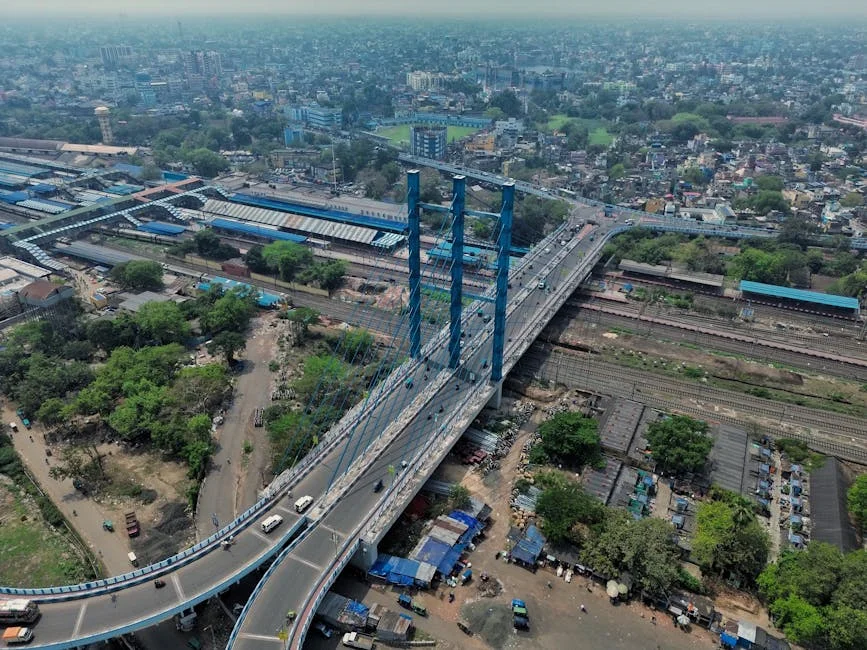
The core of this new strategy involves the rapid expansion of cross-border rail and highway systems. These projects are designed to link major economic hubs such as Johannesburg, Cairo, and Accra with emerging markets in Central and West Africa. Improved transport links will directly address the high cost of moving goods between neighboring countries.
Historically, African nations have relied heavily on maritime routes to trade with each other, often sailing around the continent rather than driving across it. This inefficiency has added time and money to every transaction, stifling the potential of the African Continental Free Trade Area. The new rail corridors aim to slash transit times by up to 60% for key commodity routes.
Investors from both within and outside the continent have shown strong interest in these transport corridors. Public-private partnerships are being structured to share the financial burden and mitigate risks for early adopters. This collaborative approach ensures that infrastructure development is not solely dependent on volatile government budgets.
Energy Integration for Industrial Growth
Energy remains the second critical pillar of this development push. The plan includes the creation of a unified power pool that allows countries to export surplus electricity to neighbors facing deficits. This integration is essential for stabilizing power supplies in manufacturing hubs across the continent.
Regional Power Pool Dynamics
West Africa is leading the charge with the expansion of the West African Power Pool. This initiative enables Nigeria, Ghana, and Côte d’Ivoire to share hydroelectric and solar resources more efficiently. Such cooperation reduces the need for expensive diesel generators in industrial zones.
In East Africa, the Grand Ethiopian Renaissance Dam is set to play a pivotal role in supplying power to Kenya, Uganda, and South Sudan. This regional synergy demonstrates how natural resource endowments can be leveraged for collective economic gain. It also strengthens diplomatic ties through shared economic interests.
The focus on renewable energy sources aligns with global climate goals while ensuring energy security for African industries. Solar and wind farms are being integrated into the grid to reduce reliance on fossil fuels. This transition supports the continent’s ambition to achieve green industrialization.
Economic Impact on Nigeria
Nigeria stands to benefit significantly from these continental developments. As Africa’s largest economy, Nigeria’s integration into the broader transport and energy networks will enhance its role as a regional hub. Improved connectivity will facilitate the export of Nigerian agricultural and manufactured goods to neighboring markets.
The reduction in logistics costs will directly impact the competitiveness of Nigerian businesses. Lower transportation expenses mean that products can be priced more attractively in the AfCFTA market. This advantage is crucial for attracting foreign direct investment into the Nigerian economy.
Furthermore, energy integration offers Nigeria an opportunity to stabilize its power sector. By importing surplus power from neighbors during peak demand periods, Nigeria can reduce the frequency of outages. This stability is vital for sustaining industrial production and boosting productivity.
Challenges in Implementation
Despite the ambitious scope of the plan, several challenges threaten its successful execution. Funding remains a primary concern, with many African nations facing high debt levels. Securing consistent investment from both domestic and international sources will be critical to keeping projects on track.
Political will and policy harmonization are also essential for seamless integration. Differences in regulatory frameworks across countries can create bottlenecks in cross-border trade. Harmonizing standards for tariffs, customs procedures, and quality control is necessary to maximize the benefits of the new infrastructure.
Land acquisition and right-of-way issues have historically delayed infrastructure projects in Africa. Engaging local communities and ensuring fair compensation can help mitigate social unrest and accelerate construction timelines. Effective stakeholder management is therefore a key component of the implementation strategy.
Role of Private Sector Investment
The private sector is expected to play a dominant role in financing and operating these new infrastructure assets. Governments are offering incentives such as tax holidays and guaranteed returns to attract investors. This approach aims to leverage private capital to supplement public funding.
Infrastructure funds focused on Africa have seen increased inflows in recent years. Institutional investors are recognizing the long-term growth potential of the continent’s infrastructure sector. This trend is likely to continue as the risk-reward profile of African infrastructure improves.
Public-private partnerships are being structured to ensure transparency and accountability. Clear contractual frameworks and dispute resolution mechanisms are being established to protect investor interests. This legal certainty is crucial for sustaining long-term investment flows into the continent.
Future Outlook and Next Steps
The African Union has set a timeline for the initial phase of the infrastructure plan, with key projects expected to break ground within the next two years. Regular monitoring and evaluation mechanisms will be put in place to track progress and identify areas for improvement. This data-driven approach will help policymakers make informed decisions.
Stakeholders are encouraged to engage actively in the implementation process. Governments, private companies, and civil society organizations must collaborate to ensure that the benefits of infrastructure development are widely shared. This inclusive approach will help build public support and ensure the sustainability of the projects.
Readers should watch for announcements regarding the first major rail and energy projects under this new framework. These initial implementations will serve as proof points for the broader strategy and set the pace for future developments. The success of these early projects will be critical in building momentum for the rest of the continent.
See Also
- Westown Precinct's Kaleido Development Sees Strong Sales on Launch Day
- Trump Reveals Red Mark on Neck as Preventive Treatment — What This Means for His Health
By importing surplus power from neighbors during peak demand periods, Nigeria can reduce the frequency of outages. Funding remains a primary concern, with many African nations facing high debt levels.