Suzlon, an Indian wind energy company, has unveiled plans to supply 4.5MW turbines to European markets, aiming to capitalise on the continent’s growing renewable energy demand. The move comes as Europe accelerates its transition away from fossil fuels, with the European Commission targeting 45% renewable energy by 2030. Suzlon’s expansion into Europe could signal a broader shift in global energy markets, with implications for African nations seeking to develop their own renewable energy sectors.
Suzlon's European Expansion and Global Energy Shift
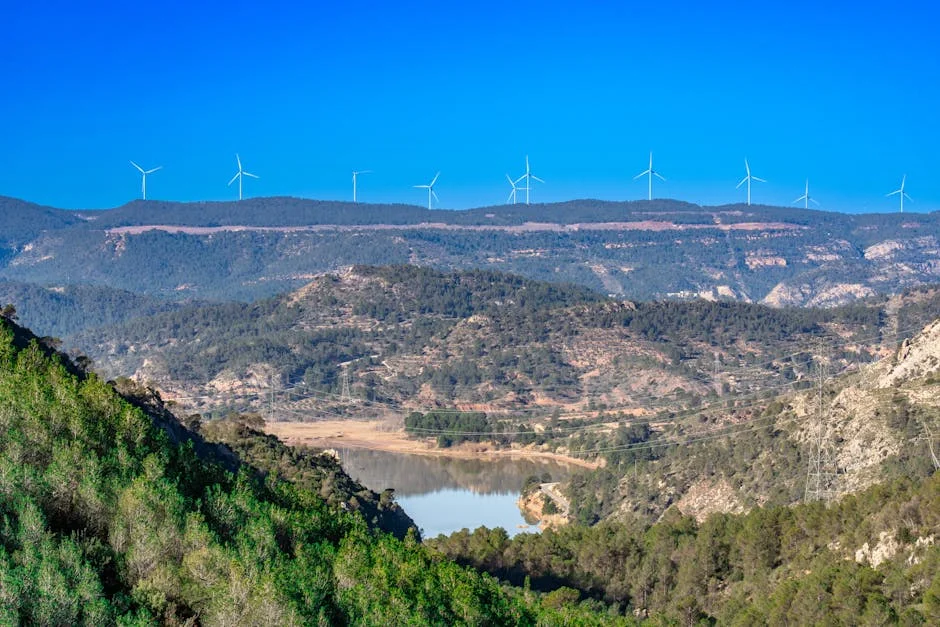
Suzlon, based in Pune, India, has announced it will begin manufacturing 4.5MW wind turbines for the European market, a move that reflects the region’s aggressive push toward green energy. The company’s latest turbine model, the S-128, is designed to operate efficiently in low-wind environments, making it ideal for European conditions. This development aligns with the European Union’s Green Deal, which aims to make the continent climate-neutral by 2050. Suzlon’s entry into the European market could position it as a key player in the global renewable energy supply chain.
The company’s expansion follows a 15% rise in its share price in the past quarter, driven by growing investor confidence in its renewable energy projects. Analysts at ICICI Securities noted that Suzlon’s focus on offshore wind could provide a competitive edge in Europe, where onshore land is limited. “Suzlon’s technological advancements and cost-efficiency are key factors in its appeal to European buyers,” said Ravi Mehta, a senior energy analyst at the firm.
Implications for African Development and Energy Transition
Africa’s energy landscape remains heavily reliant on fossil fuels, with only 2% of the continent’s electricity generated from wind power. However, the continent has vast untapped wind resources, particularly in regions like the Horn of Africa and the southern tip of the continent. Suzlon’s expansion into Europe could provide a blueprint for African countries looking to develop their own wind energy industries. By partnering with Indian companies like Suzlon, African nations could access advanced technology and reduce their dependence on foreign energy imports.
The African Development Bank (AfDB) has identified renewable energy as a critical component of its 2030 agenda, which aims to provide universal energy access. In 2023, the bank approved $250 million in funding for wind and solar projects across 12 African countries. “Suzlon’s success in Europe shows that renewable energy can be both economically viable and environmentally sustainable,” said Akinwumi Adesina, president of the AfDB. “This is a signal for African governments to invest more in clean energy infrastructure.”
Challenges and Opportunities in African Wind Energy
Despite the potential, African countries face several challenges in scaling up wind energy. These include limited access to capital, inadequate grid infrastructure, and a lack of skilled technical personnel. For example, in Nigeria, where 60% of the population lacks reliable electricity, the government has struggled to attract private investment in renewable energy. A 2022 report by the World Bank found that only 3% of Nigeria’s energy budget is allocated to wind and solar projects.
However, there are signs of progress. In Kenya, the Lake Turkana Wind Power Project, one of Africa’s largest wind farms, began operations in 2019 and now supplies 17% of the country’s electricity. The project, developed in partnership with the Danish company Vestas, has demonstrated the viability of large-scale wind energy in Africa. If African nations can replicate this model with companies like Suzlon, they could significantly reduce their carbon footprint and boost energy security.
Technology Transfer and Local Job Creation
One of the key benefits of partnerships between African countries and global energy firms is the potential for technology transfer and local job creation. Suzlon has expressed interest in setting up local manufacturing facilities in Africa, which could create thousands of jobs and boost local industries. In a recent interview, Suzlon’s CEO, Anand Shukla, said, “We see Africa as a key market for the next decade. Our goal is to not only provide clean energy but also to empower local communities through sustainable development.”
This approach aligns with the United Nations Sustainable Development Goals (SDGs), particularly Goal 7 (Affordable and Clean Energy) and Goal 8 (Decent Work and Economic Growth). By investing in renewable energy, African countries can create jobs, reduce poverty, and improve public health by reducing air pollution from fossil fuels.
Looking Ahead: What to Watch Next
Suzlon’s expansion into Europe is likely to have a ripple effect on global energy markets, potentially influencing investment trends in African renewable energy projects. The company is expected to announce its first African wind farm in the next 12 months, with potential sites in South Africa and Kenya. Meanwhile, the AfDB is set to host a renewable energy summit in 2024, where African leaders will discuss strategies for accelerating the continent’s energy transition.
For Nigerian investors, the rise in Suzlon’s share price could signal a broader shift in the global energy sector. As more countries adopt renewable energy targets, demand for wind turbines is expected to grow, potentially benefiting African stock markets. Investors are advised to monitor Suzlon’s performance and any new partnerships it may announce in the coming months.
See Also
- Singapore Explores Geothermal Energy — Potential Impacts on Africa's Energy Goals
- SA Shipping Surge Threatens Whales — What Nigeria Must Watch
If African nations can replicate this model with companies like Suzlon, they could significantly reduce their carbon footprint and boost energy security. Technology Transfer and Local Job Creation One of the key benefits of partnerships between African countries and global energy firms is the potential for technology transfer and local job creation.