The city council of Lisbon has approved a large-scale housing development in the Alto do Lumiar area, a decision that could have ripple effects beyond Portugal’s borders. The project, spearheaded by the real estate company Sociedade Gestora de Alta de Lisboa (SGAL), aims to transform the region with new residential and commercial spaces.
Lisbon’s Ambitious Development Plan
Lisbon’s approval of this development marks a significant step in urban expansion efforts. The Alto do Lumiar project, valued at approximately €200 million, is set to include 1,200 housing units along with commercial zones. This initiative is part of a broader city strategy to address housing shortages and stimulate economic activity in the region.
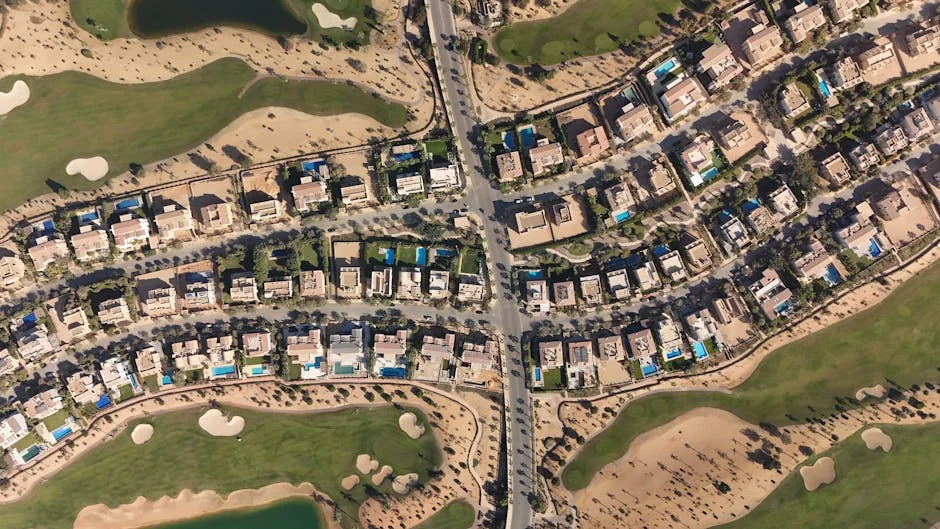
The project also intends to improve local infrastructure, catering to the needs of an expected influx of residents. As Lisbon aims to position itself as a modern European capital, such developments are critical to its strategic urban growth.
Africa’s Development Goals and Urban Planning
Lisbon's development strategy offers insights for African nations prioritizing urban planning and sustainable development. African cities face challenges such as rapid urbanization, housing shortages, and inadequate infrastructure. Initiatives like Lisbon's could serve as a model for African countries, providing frameworks for managing urban growth efficiently.
In Nigeria, for instance, cities like Lagos and Abuja are grappling with similar urban challenges. The focus on comprehensive planning, as demonstrated in Lisbon, could inform Nigeria's strategies to address its urban housing deficits and infrastructure needs.
The Role of Sociedade Gestora and Its Potential Impact
Sociedade Gestora's involvement in such a significant project highlights the role of private enterprises in urban development. Their expertise in large-scale developments could be a resource for African nations seeking partnerships to bolster their urban infrastructure projects. As Sociedade Gestora expands its portfolio, its methodologies could inspire real estate initiatives across Africa.
Cross-Continental Opportunities
The expansion of Sociedade Gestora's operations may also open up opportunities for collaboration with African property developers. By sharing knowledge and expertise, there's potential for improving construction techniques and urban planning across continents.
What to Watch Next
With construction expected to commence in early 2024, stakeholders will be keenly observing the project's progress. Its success could pave the way for similar urban projects in other European cities and offer valuable lessons for African urban development. African policymakers may consider visiting Lisbon to evaluate the project firsthand and explore potential collaborations with Sociedade Gestora.
See Also
- Trata Exposes Flaws in Nigeria's Border Control System — Here's What's at Stake
- South Africa’s US Trade Surplus Collapses — What It Means for African Growth
The focus on comprehensive planning, as demonstrated in Lisbon, could inform Nigeria's strategies to address its urban housing deficits and infrastructure needs.The Role of Sociedade Gestora and Its Potential ImpactSociedade Gestora's involvement in such a significant project highlights the role of private enterprises in urban development. Their expertise in large-scale developments could be a resource for African nations seeking partnerships to bolster their urban infrastructure projects.
What is the latest news about lisbon approves major housing development impact on african real estate?
Why does this matter for economy-business?
What are the key facts about lisbon approves major housing development impact on african real estate?