Nigeria on Wednesday commemorated June 12, the date now officially recognised as Democracy Day in honour of the 1993 presidential election that reshaped the nation's political landscape. The anniversary prompts renewed reflection on the struggle for democratic governance in Africa's most populous nation.
The 1993 Election That Shook the Military
On June 12, 1993, millions of Nigerians queued at polling stations across all 30 states of the federation to cast their votes in a presidential election widely regarded as the most credible in the nation's history. Chief M.K.O. Abiola of the Social Democratic Party emerged as the clear winner, securing victories in 21 states. Voter turnout exceeded 10 million, a remarkable figure for the era. The result represented a rare moment when ordinary Nigerians exercised their franchise without military interference.
The military government under General Ibrahim Babangida moved swiftly to annul the election just days after the vote, claiming irregularities despite international observers largely endorsing the poll's credibility. The annulment triggered widespread protests, particularly in Lagos and the southwestern region, where anger against military rule intensified. Babangida eventually stepped down later that year, but the democratic mandate Abiola won was never honoured.
Abiola's Detention and the Democracy Struggle
Chief M.K.O. Abiola spent years in exile before returning to Nigeria in 1994, where he declared himself president in a direct challenge to the military administration of General Sani Abacha. Security forces arrested him immediately. He died in custody on July 7, 1998, under circumstances that remain disputed. His death came just weeks before Abacha's own demise, which eventually opened the door to democratic transition.
The June 12 anniversary became intertwined with Abiola's legacy. Pro-democracy activists used the date as a rallying point throughout the 1990s, organising commemorations despite police crackdowns. The anniversary symbolised both the hope of 1993 and the continued denial of the popular will. Families of pro-democracy activists who perished during protests continue to mark the date as one of sacrifice.
From Protest Symbol to National Holiday
The campaign to officially recognise June 12 gained momentum after Nigeria's return to civilian rule in 1999. Successive administrations resisted formal acknowledgment, preferring instead to celebrate May 29, the date Nigeria transferred power to civilian government. Proponents of June 12 recognition argued this understated the blood spilled during the democracy struggle.
In 2018, the administration of President Muhammadu Buhari designated June 12 as Democracy Day, officially conferring the honour on Abiola. The move fulfilled a campaign promise and marked the first time the federal government formally recognised the date at the national level. A national honours award was also conferred posthumously on Abiola during the ceremony in Abuja.
Economic Dimensions of Democratic Governance
The relationship between Nigeria's democratic journey and its economic trajectory remains a subject of intense debate. The military era spanning from 1966 to 1999 coincided with periods of significant oil revenue growth, yet infrastructure development and social services lagged. Investment confidence fluctuated sharply during political transitions, with foreign investors citing governance uncertainty as a persistent concern.
Democracy Day commemorations now typically include economic forums and policy discussions alongside the ceremonial events. The Nigerian Stock Exchange and private sector groups have increasingly used the anniversary to assess democratic consolidation and its implications for business environment. Critics note that despite the political transition, governance challenges continue to affect economic planning and execution.
Commemorations Across Nigeria
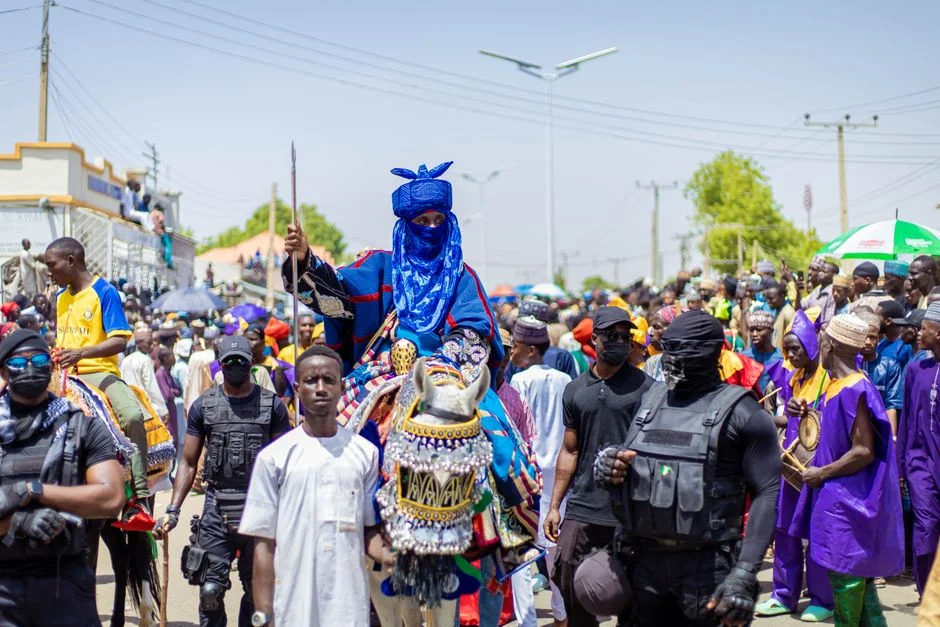
This year's Democracy Day events unfolded across multiple cities, with Lagos hosting the largest gathering at the Tafawa Balewa Square, a site historically associated with political rallies. The state government organised a week-long programme of activities, including youth forums and historical exhibitions documenting the 1993 election. Similar events took place in Abuja, Port Harcourt, and Kano, reflecting the national scope of the commemoration.
Civil society organisations used the occasion to assess Nigeria's democratic indicators, examining electoral quality, press freedom, and institutional independence. The transition from military rule to democracy has produced 25 years of civilian government, yet observers note persistent challenges in electoral management and judicial independence. The next general election cycle looms as a test of democratic resilience.
What Comes Next for Nigeria's Democracy
The June 12 commemoration arrives at a moment of heightened political activity ahead of state elections scheduled for 2025. Electoral reform remains on the legislative agenda, with pending bills addressing voter registration processes and transmission of results. The Independent National Electoral Commission faces pressure to demonstrate improvements from previous cycles that drew criticism over logistics and transparency.
Younger Nigerians who have only known democratic rule now constitute the majority of the electorate, bringing fresh expectations to the democratic process. How successive governments manage the tension between institutional reform and political self-interest will determine whether June 12's legacy inspires continued engagement or eventual disengagement. The anniversary reminds citizens that democracy arrived through sacrifice, not negotiation.
See Also
- FMI Challenges Misappropriation of Funds by Profitable Companies in LAM
- Israel Extends Security Measures Until Saturday: What It Means for Nigeria's Stability
Similar events took place in Abuja, Port Harcourt, and Kano, reflecting the national scope of the commemoration.Civil society organisations used the occasion to assess Nigeria's democratic indicators, examining electoral quality, press freedom, and institutional independence. The Independent National Electoral Commission faces pressure to demonstrate improvements from previous cycles that drew criticism over logistics and transparency.Younger Nigerians who have only known democratic rule now constitute the majority of the electorate, bringing fresh expectations to the democratic process.
What is the latest news about nigeria marks june 12 the election that forged a democracy day?
Why does this matter for technology-innovation?
What are the key facts about nigeria marks june 12 the election that forged a democracy day?