A fire broke out at the popular Bali Hotel in Indonesia on Sunday evening, forcing the evacuation of 12 tourists and triggering a nationwide debate over safety standards in the tourism sector. The blaze, which started in the building’s kitchen area, quickly spread to guest rooms, prompting emergency services to respond within 15 minutes. The incident has raised concerns about the adequacy of fire safety measures in the country’s hospitality industry, which is a key driver of economic growth.
Fire Sparks Immediate Response
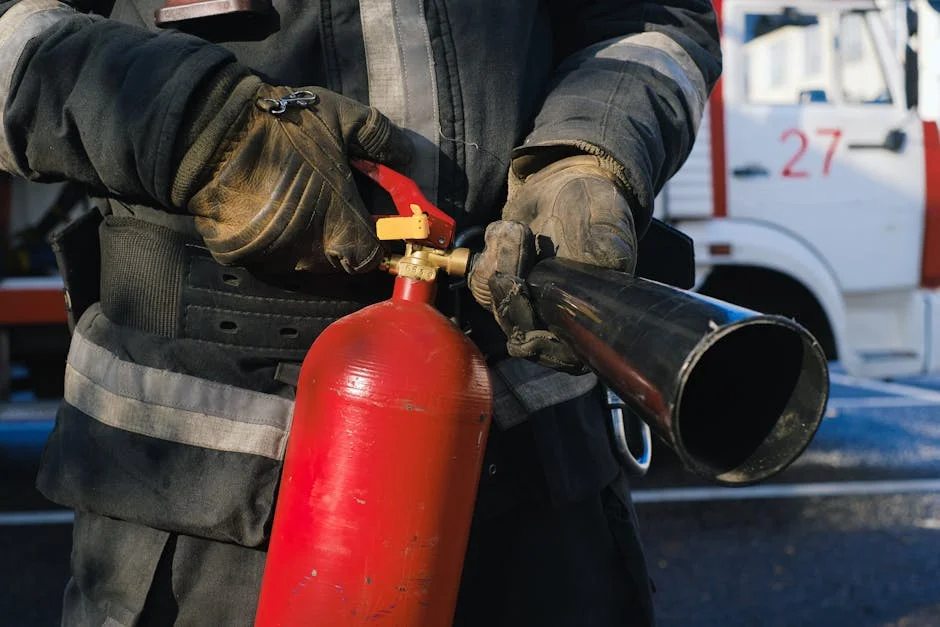
The Bali Hotel, located in the heart of Kuta, one of Indonesia’s most visited tourist destinations, was the scene of a rapid and coordinated evacuation. According to the Indonesian Fire Department, 12 international tourists were safely removed from the building, with no reported casualties. The fire, which burned for over an hour, was eventually brought under control by 10 fire trucks and 50 firefighters. The hotel’s management has since issued a public statement, expressing regret and confirming that all guests were accounted for.
“The safety of our guests is our top priority,” said hotel manager Rizal Surya. “We are working closely with local authorities to investigate the cause of the fire and ensure that such an incident does not happen again.” The incident has led to increased scrutiny of fire safety protocols in the country, particularly in areas with high tourist traffic. In 2022, Indonesia recorded over 12 million international visitors, with Bali accounting for nearly 40% of that number.
Broader Implications for Tourism and Safety
The Bali Hotel fire has reignited discussions about the need for stricter fire safety regulations in Indonesia’s hospitality sector. According to the National Fire Protection Association, only 60% of hotels in the country meet basic fire safety standards, a figure that has remained stagnant for over a decade. The incident has also drawn attention to the lack of regular safety inspections and the limited availability of fire-fighting equipment in many establishments.
“This is a wake-up call for the entire industry,” said Dr. Siti Nurhaliza, a tourism policy expert at the University of Indonesia. “Tourism is a vital part of Indonesia’s economy, contributing over 10% of GDP, but without proper safety measures, it risks losing the trust of international visitors.” The incident has also prompted calls for more investment in fire safety infrastructure, with some officials suggesting that penalties for non-compliance should be increased.
Impact on Tourism and Economic Growth
The tourism sector is a cornerstone of Indonesia’s economic development, especially for regions like Bali, where the industry supports millions of jobs. The fire has already led to a temporary decline in bookings at the Bali Hotel, with several international travel agencies advising clients to reconsider their plans. This highlights the delicate balance between maintaining safety and sustaining economic activity in the sector.
“A single incident can have a ripple effect on the entire tourism ecosystem,” said Ani Wijaya, a representative from the Bali Chamber of Commerce. “We need a proactive approach to ensure that our tourism industry remains competitive and safe.” The government has pledged to review fire safety laws in the coming weeks, with a focus on increasing enforcement and improving emergency response capabilities.
Looking Ahead: What Comes Next?
As Indonesia moves forward, the Bali Hotel fire serves as a stark reminder of the importance of safety in the tourism sector. The government has announced that it will conduct a nationwide audit of fire safety protocols in all hotels by the end of the year. This comes as the country prepares for a major tourism event in 2025, which is expected to bring in over 20 million visitors.
“We cannot afford to ignore the lessons from this incident,” said Minister of Tourism Sandiaga Uno. “Safety must be at the heart of our tourism strategy, not an afterthought.” Travelers are advised to stay informed about safety updates and to choose accommodations that have been certified by local authorities. As the industry works to rebuild trust, the focus will remain on ensuring that Indonesia’s tourism sector continues to thrive while prioritizing the well-being of its visitors.
See Also
- Nellore Conducts First Mahila Jansunwai: What This Means for Women’s Rights in Nigeria
- UK Accuses Russia of Submarine Cable Sabotage in Atlantic