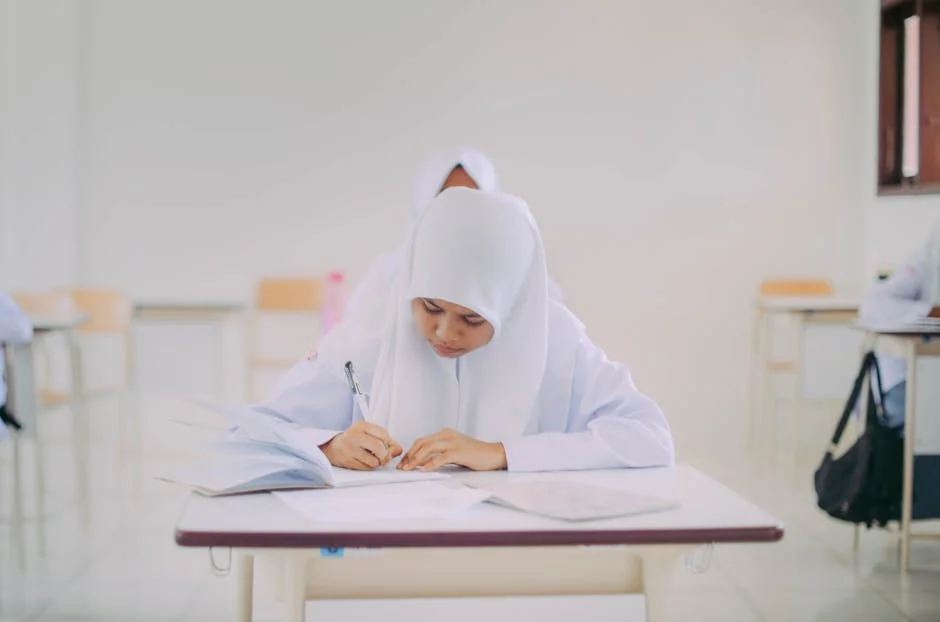
Rayapati Sailaja, chairperson of the Women's Panel, has raised concerns over the handling of a sexual harassment complaint at an Ayurvedic college in Hyderabad, highlighting systemic failures in the Internal Complaints Committee (ICC). The incident, which occurred in March 2024, has sparked a wider debate on workplace safety and institutional accountability in educational institutions across India. The allegations, which involve a senior lecturer and a student, have been met with delays and lack of transparency, prompting calls for reform.
Allegations and Institutional Failures
The complaint was filed in March 2024 after a student alleged repeated harassment by a senior lecturer. However, the ICC, responsible for addressing such cases, reportedly failed to act promptly, leading to a prolonged investigation. Rayapati Sailaja, who has been vocal about gender-based violence, stated that the delay and lack of clear procedures undermined the victims’ trust in the system. "The ICC must be independent and transparent. When it fails, it sends a dangerous message to victims and perpetrators alike," she said.
The Ayurvedic college, located in Hyderabad, is one of the leading institutions in the field, attracting students from across India. The incident has not only raised questions about internal governance but also highlighted the broader challenges in addressing gender-based violence in educational spaces. According to a 2023 report by the National Commission for Women, over 40% of students in higher education institutions have faced some form of harassment, but only a fraction of cases are reported or properly addressed.
Call for Accountability and Reform
Sailaja has called for immediate reforms to the ICC process, including mandatory training for committee members and clearer timelines for investigations. She also urged the Ministry of Education to establish a centralized oversight body to ensure consistency across institutions. "We cannot allow these systems to become a formality. Victims deserve justice, not bureaucratic delays," she said.
The incident has also prompted discussions on the need for stronger legal protections for students and staff in educational institutions. In India, the Sexual Harassment of Women at Workplace (Prevention, Prohibition and Redressal) Act, 2013, mandates the formation of ICCs in all organizations, including educational institutions. However, implementation has been inconsistent, with many colleges failing to meet the legal requirements.
Broader Implications for Gender Equality
The case has broader implications for gender equality in India, where women continue to face systemic barriers in education and the workforce. A 2022 study by the Indian Institute of Management found that 68% of women in higher education reported experiencing some form of gender-based discrimination, yet only 22% reported it to authorities. This gap between experience and reporting highlights the need for a more supportive and responsive institutional framework.
Experts argue that the Ayurvedic college case reflects a larger pattern of institutional negligence. "When complaints are not taken seriously, it reinforces a culture of silence and impunity," said Dr. Anjali Sharma, a gender rights advocate. "This is not just about one college—it's about the entire system that fails to protect women."
What Comes Next?
The Women’s Panel has announced that it will conduct an independent review of the ICC’s handling of the case. A public hearing is expected to be held in the coming weeks, with the aim of holding the committee accountable. Meanwhile, the Ministry of Education has been urged to issue updated guidelines for ICC operations, ensuring that all institutions comply with the law.
For now, the case remains a focal point for discussions on gender-based violence and institutional accountability. As Sailaja emphasized, the outcome will set a precedent for how such cases are handled across the country. "This is not just about one complaint. It's about the future of women in education and the workplace," she said.
The next steps will include the release of the Women’s Panel’s findings, potential legal action against the college, and a review of national policies on workplace harassment. All eyes are on the upcoming hearing, which could mark a turning point in the fight for gender justice in India.
Frequently Asked Questions
What is the latest news about womens panel chief exposes flaws in ayurvedic college harassment probe?
Rayapati Sailaja, chairperson of the Women's Panel, has raised concerns over the handling of a sexual harassment complaint at an Ayurvedic college in Hyderabad, highlighting systemic failures in the Internal Complaints Committee (ICC).
Why does this matter for economy-business?
The allegations, which involve a senior lecturer and a student, have been met with delays and lack of transparency, prompting calls for reform.
What are the key facts about womens panel chief exposes flaws in ayurvedic college harassment probe?
However, the ICC, responsible for addressing such cases, reportedly failed to act promptly, leading to a prolonged investigation.
Experts argue that the Ayurvedic college case reflects a larger pattern of institutional negligence. This gap between experience and reporting highlights the need for a more supportive and responsive institutional framework.