Rivian, the US-based electric vehicle company, has launched its R2 model, with CEO RJ Scaringe calling it a pivotal step in integrating artificial intelligence into consumer transportation. The new SUV, set for release in 2025, promises advanced driver-assistance systems and energy-efficient design. The announcement comes as the US accelerates its green energy transition, with implications for global markets, including Nigeria.
Rivian’s R2: A Tech Leap with Global Reach
The R2 model marks a major milestone for Rivian, which has positioned itself as a leader in electric commercial and consumer vehicles. Scaringe highlighted that the R2 will feature AI-powered navigation and predictive maintenance, reducing vehicle downtime and improving user experience. The company’s decision to expand into the mid-size SUV market reflects a broader shift in the US automotive sector toward sustainable and tech-driven solutions.
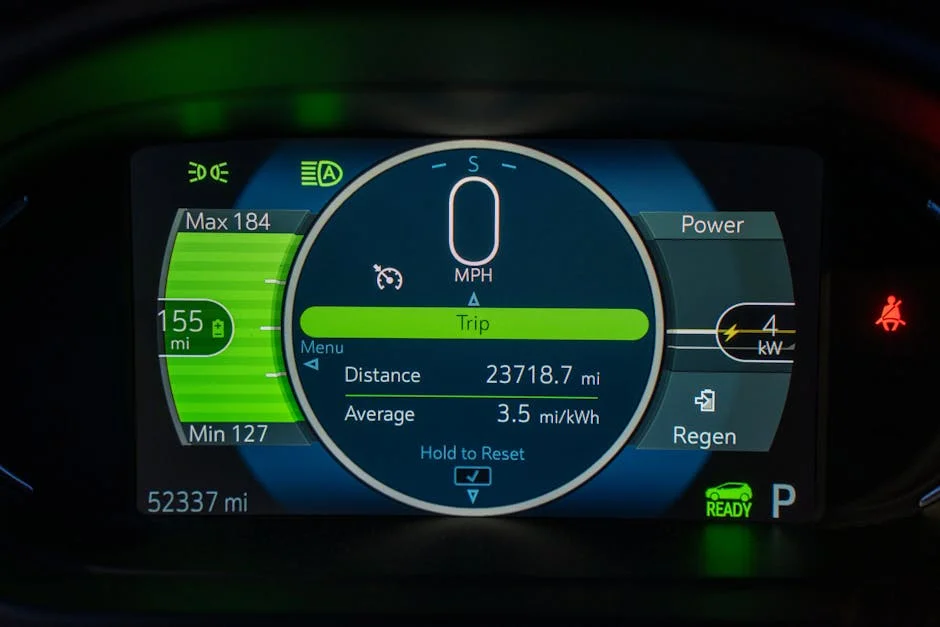
The R2 is expected to cost between $45,000 and $55,000, making it one of the more affordable electric SUVs in the US market. This price range could influence consumer adoption rates, especially as the Biden administration pushes for 50% of new vehicle sales to be electric by 2030. The move aligns with global efforts to reduce carbon emissions, but its impact on emerging markets like Nigeria remains uncertain.
AI in Transportation: A Double-Edged Sword for Africa
As AI technology becomes more embedded in vehicle systems, its potential to transform African mobility is significant. In Nigeria, where traffic congestion and poor road infrastructure are major challenges, AI-enhanced vehicles could offer efficiency gains. However, the high cost of such technology limits immediate accessibility for most consumers, particularly in regions with lower income levels.
The Nigerian government has been exploring partnerships with global tech firms to boost local infrastructure. In 2023, the Ministry of Transportation announced plans to integrate smart transportation systems in major cities like Lagos and Abuja. While these initiatives are still in early stages, the success of AI-driven vehicles in the US may prompt African nations to reconsider their approach to mobility and digital innovation.
US Tech Expansion and Its Ripple Effects
Rivian’s expansion into the consumer market is part of a larger trend in US tech innovation. The company has already partnered with Amazon for electric delivery vehicles and is now targeting individual consumers with the R2. This shift could pressure other automakers to accelerate their own AI and electric vehicle development, creating a competitive global market.
The US government has also played a role in this expansion, offering tax incentives and grants for companies developing green technologies. These policies have spurred investment in AI and electric vehicle manufacturing, with over $50 billion allocated in 2023 for clean energy projects. However, the benefits of these policies are not evenly distributed, and African nations like Nigeria must find ways to engage with this technological wave without being left behind.
Challenges and Opportunities
The spread of AI-powered vehicles presents both challenges and opportunities for African development. On one hand, the continent faces a digital divide, with limited access to high-speed internet and tech infrastructure. On the other, there is potential for African countries to leapfrog traditional transportation models by adopting AI and electric solutions tailored to local needs.
For instance, Nigeria’s National Electric Vehicle Policy, launched in 2022, aims to boost local production and reduce reliance on imported vehicles. However, the policy lacks clear timelines and funding mechanisms, which could hinder its effectiveness. As Rivian and other US firms continue to innovate, African policymakers must act swiftly to create an environment that supports both local and international tech collaboration.
What to Watch Next
As Rivian prepares for the R2 launch, the global automotive industry is watching closely. The success of the model could influence the pace of AI integration in vehicles worldwide. For Nigeria, the coming months will be critical in determining how the country responds to these technological shifts.
By the end of 2024, the Nigerian government is expected to release a comprehensive digital transformation strategy. This plan could include measures to support electric vehicle adoption and AI-driven infrastructure. If implemented effectively, it may position Nigeria as a regional leader in sustainable technology. However, without significant investment and policy clarity, the country risks falling further behind in the global tech race.
For instance, Nigeria’s National Electric Vehicle Policy, launched in 2022, aims to boost local production and reduce reliance on imported vehicles. For Nigeria, the coming months will be critical in determining how the country responds to these technological shifts.