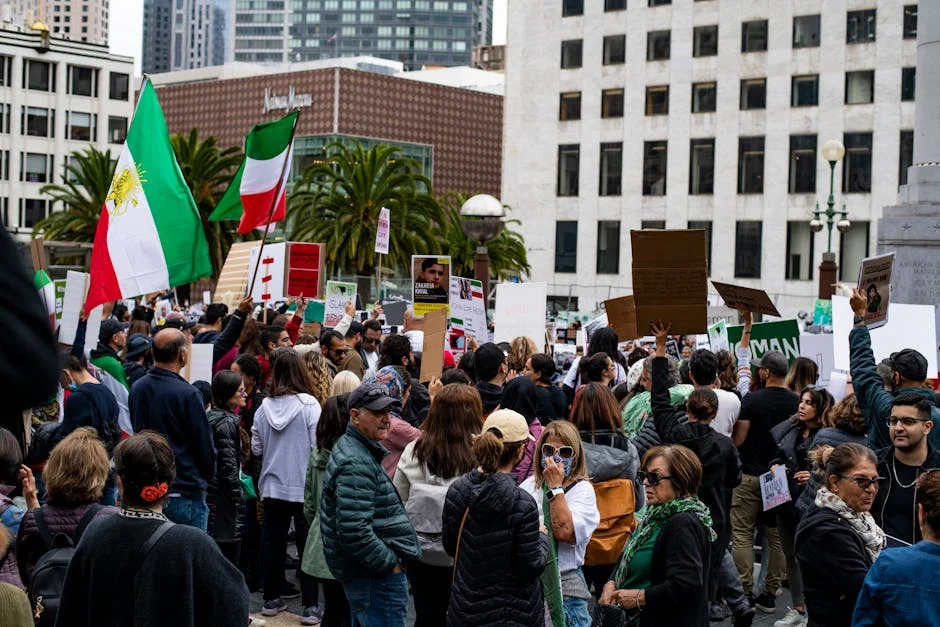
Donald Trump has hinted at reaching a deal with Iran within "one or two days," raising questions about how this could influence global dynamics, including African development. The U.S. president, speaking at a press conference in Washington, D.C., said he was "very close" to a breakthrough in negotiations, though he provided no specific details. The news comes amid heightened tensions in the Middle East and uncertainty over the future of U.S.-Iran relations, which have long influenced global oil markets and regional stability.
Trump’s Iran Talks and the Ripple Effect on Africa
The potential U.S.-Iran agreement has drawn attention from African leaders, who are closely monitoring how shifts in international diplomacy could affect trade, investment, and energy security. Nigeria, a major oil producer and consumer, is particularly sensitive to changes in global oil prices. The country's economy, which relies heavily on petroleum exports, could see fluctuations if the deal leads to a shift in oil supply or geopolitical alliances.
Experts say that a U.S.-Iran deal could have both positive and negative implications for Africa. On one hand, reduced tensions might lead to increased foreign investment in infrastructure and energy projects. On the other, any disruption in oil supply could push prices higher, affecting countries like Nigeria, where fuel subsidies are a major budget item. The Nigerian Ministry of Finance has not yet commented on the potential impact of the Trump administration’s moves.
Global Implications for African Development
African development goals, including the African Union’s Agenda 2063, emphasize economic integration, infrastructure growth, and sustainable energy. A stable U.S.-Iran relationship could create new opportunities for African nations to access international capital and technology. However, the continent’s reliance on foreign aid and volatile global markets means that any major shift in international relations could have far-reaching consequences.
Dr. Adebayo Adesina, a senior researcher at the African Development Bank, noted that African countries must prepare for both the benefits and risks of a potential Iran deal. "If the U.S. and Iran reach an agreement, it could open new avenues for trade and investment," he said. "But we must also be ready for the economic shocks that could follow if the deal fails or leads to further instability."
Regional Tensions and African Security
The Middle East remains a flashpoint for global security, and African nations have a vested interest in maintaining stability. Countries like Sudan, Egypt, and Algeria have historical ties to the region and are concerned about how any U.S.-Iran conflict could spill over into North Africa. The African Union has repeatedly called for peaceful resolutions to regional conflicts, but its influence is limited without strong support from major powers.
Analysts warn that African leaders must act swiftly to protect their interests. "A U.S.-Iran deal could either ease tensions or trigger new ones," said Samira Hassan, a political analyst based in Nairobi. "African countries need to build stronger regional alliances and diversify their economic strategies to reduce their vulnerability to global shifts."
Energy Security and the Role of African Nations
Energy security is a key concern for many African nations, with countries like Nigeria, Algeria, and Angola depending on oil and gas exports. A U.S.-Iran deal could lead to a more stable global energy market, but it could also shift investment away from African energy projects if global demand changes. African nations must now navigate these uncertainties while pursuing their own energy transition goals.
The African Development Bank has launched a new initiative to support renewable energy projects across the continent, aiming to reduce reliance on fossil fuels. However, the success of these efforts depends on international cooperation and access to capital. If the U.S.-Iran deal leads to a more stable global economy, it could provide much-needed investment for Africa’s green transition.
What’s Next for Africa?
African leaders are expected to convene at the African Union summit in July to discuss the potential implications of the U.S.-Iran deal. The summit will also focus on broader economic and security challenges, including the need for improved infrastructure and stronger governance. With the global situation in flux, African nations must remain agile and proactive in shaping their development strategies.
As the situation with Iran continues to evolve, African countries will be watching closely. The outcome of the U.S.-Iran negotiations could shape the continent’s economic future, influencing everything from energy prices to investment flows. For now, the focus remains on preparing for both opportunities and challenges in a rapidly changing global landscape.
Frequently Asked Questions
What is the latest news about trump hints at iran deal within days as nigeria watches closely?
Donald Trump has hinted at reaching a deal with Iran within "one or two days," raising questions about how this could influence global dynamics, including African development.
Why does this matter for economy-business?
The news comes amid heightened tensions in the Middle East and uncertainty over the future of U.S.-Iran relations, which have long influenced global oil markets and regional stability.
What are the key facts about trump hints at iran deal within days as nigeria watches closely?
Nigeria, a major oil producer and consumer, is particularly sensitive to changes in global oil prices.