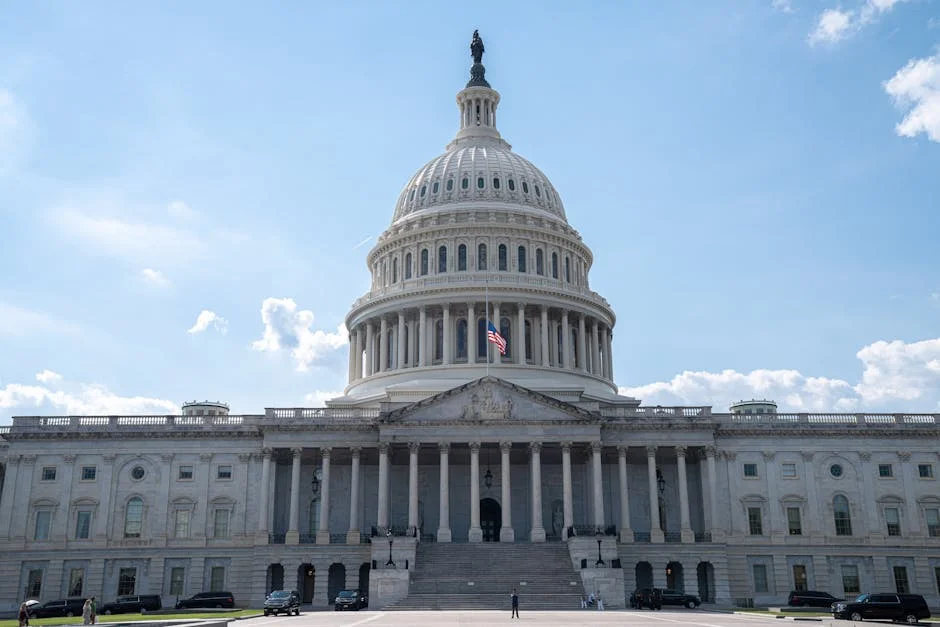
President Donald Trump has extended the current ceasefire between the U.S. and Iran, awaiting a unified proposal from regional allies, as Pakistan has formally requested a coordinated approach to the ongoing conflict. The move comes amid heightened regional tensions and growing concerns over the stability of the Middle East, with implications for global trade and security that could indirectly affect African nations.
Trump's Ceasefire Extension and Regional Dynamics
On April 5, 2021, Trump announced the extension of the existing ceasefire with Iran, stating that the U.S. would continue to monitor the situation while seeking a broader, multilateral agreement. The decision follows weeks of diplomatic discussions with regional powers, including Saudi Arabia and the United Arab Emirates. The extension allows time for a unified strategy to be developed, which could include measures to reduce hostilities and prevent further escalation.

Pakistan, a key regional player, has been vocal in its call for a more inclusive approach. The country’s Foreign Ministry issued a statement on April 3, urging the U.S. to work with all stakeholders, including Iran, to ensure a lasting peace. “A unilateral approach risks deepening divisions and prolonging instability,” the statement said. Pakistan’s involvement highlights the interconnected nature of regional conflicts and the potential for ripple effects on global markets and trade routes.
Pakistan's Strategic Interests and Regional Influence
Pakistan’s interest in the Iran ceasefire is rooted in its strategic and economic ties with the Middle East. The country relies heavily on energy imports from the region, and any disruption in trade could impact its already fragile economy. According to the World Bank, Pakistan’s GDP growth slowed to 2.3% in 2020, and a prolonged conflict could exacerbate inflation and reduce foreign investment.
The Pakistani government has also expressed concerns about the potential for increased militant activity in the region. “A stable Middle East is crucial for our security and economic stability,” said Foreign Minister Shah Mehmood Qureshi. “We urge all parties to prioritize dialogue over confrontation.” This position aligns with Pakistan’s broader foreign policy goals, which emphasize non-alignment and regional cooperation.
Impact on African Development and Trade
The extension of the Iran ceasefire and Pakistan’s diplomatic efforts could have indirect implications for African development. The region’s energy markets are closely tied to the Middle East, and any shift in trade routes or pricing could affect African nations reliant on oil imports. For example, Nigeria, which imports approximately 70% of its fuel, could see fluctuations in energy prices depending on the stability of the Middle East.
Additionally, regional stability in the Middle East is critical for the security of African countries involved in peacekeeping missions. The African Union has deployed thousands of troops to conflict zones in the region, and any escalation could strain these operations. “A peaceful Middle East is essential for the success of African-led peace initiatives,” said Dr. Amina J. Mohammed, the African Union’s Special Envoy for Peace and Security.
Challenges and Opportunities for African Nations
African countries face a complex set of challenges in navigating the geopolitical landscape. While the extension of the Iran ceasefire offers a temporary reprieve, long-term stability in the Middle East remains uncertain. African nations must balance their relationships with global powers while maintaining their sovereignty and development priorities.
Opportunities for economic growth exist, particularly in sectors such as infrastructure and education. The African Development Bank has identified energy and transportation as key areas for investment, with the potential to boost trade and reduce poverty. However, these opportunities depend on a stable regional environment and effective governance.
What to Watch Next
As the U.S. and its allies continue to negotiate a unified ceasefire with Iran, African nations will be closely monitoring the situation. The next major development is expected in early May, when the U.S. is set to announce its position on a broader regional agreement. Meanwhile, Pakistan is likely to intensify its diplomatic efforts to ensure a more inclusive approach.
African leaders are also preparing for the African Union’s annual summit in June, where regional security and economic cooperation will be top priorities. The outcome of these discussions could shape the continent’s approach to global conflicts and influence its long-term development trajectory.