Traditional leaders in KwaZulu-Natal have forcibly removed a religious sect that refuses to engage with formal education, healthcare, and employment systems, sparking a debate over cultural autonomy and development in South Africa. The eviction, carried out by the Ingonyama Trust, targeted the group known as the “Church of the New Covenant,” which has been based in the rural village of Nongoma since 2018. The trust cited violations of customary laws that require community members to participate in local governance and economic activities.
Eviction Sparks Debate on Cultural Rights
The eviction of the church, which claims to follow a strict interpretation of biblical teachings, has raised questions about the balance between traditional authority and individual freedoms. The Ingonyama Trust, a statutory body representing Zulu monarchs, said the group’s refusal to send children to school and seek medical care undermined communal development. “We cannot allow practices that isolate people from the broader society,” said Thandiwe Mbeki, a spokesperson for the trust.
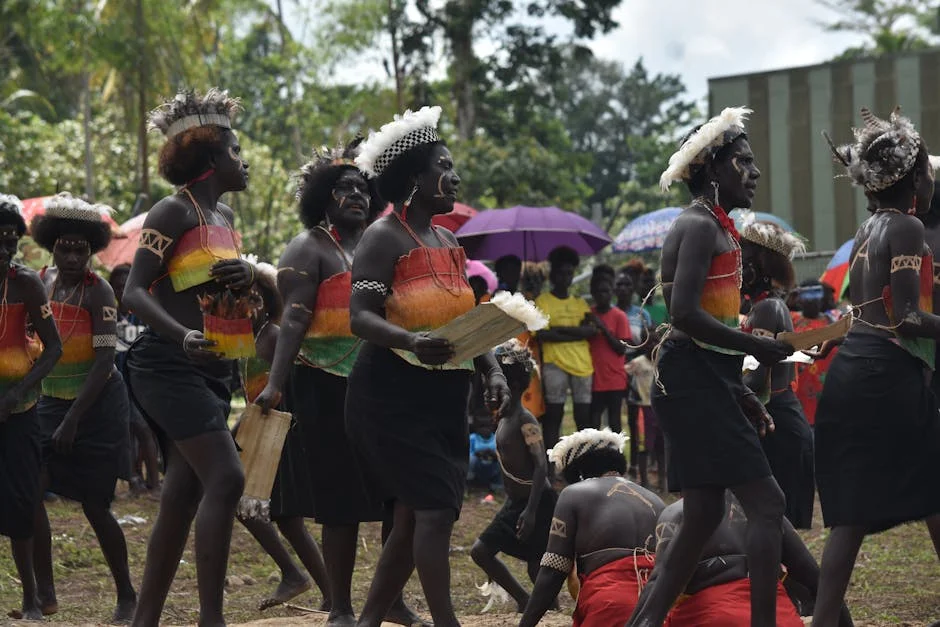
The church, led by Pastor Sipho Mthethwa, has long resisted integration into the modern system. Mthethwa argued that the community’s self-sufficiency—based on farming and spiritual teachings—was being unfairly targeted. “We are not against progress, but we believe in a different path,” he said in a recent interview. However, the trust’s decision to remove the group has been backed by local residents who say the sect’s presence disrupted social cohesion.
Development Goals Under Threat
The incident highlights a broader challenge across Africa: the tension between preserving cultural traditions and advancing development goals. The United Nations’ Sustainable Development Goals (SDGs) emphasize access to education, healthcare, and decent work, all of which the church has rejected. In KwaZulu-Natal, where poverty rates remain high, the government has been pushing for greater participation in the formal economy.
“This is not just about one community,” said Dr. Noma Mkhize, a sociologist at the University of KwaZulu-Natal. “It reflects a larger struggle between tradition and modernity that many African nations face.” The UN has reported that 23% of South Africans live below the poverty line, and 14% of children do not attend school. Efforts to improve these figures are often complicated by cultural resistance.
Local Governance and Community Impact
The Ingonyama Trust’s decision to evict the sect was not made in isolation. It followed a series of meetings with local leaders in Nongoma, where the church had been based. The trust’s authority is rooted in the Zulu monarchy, and its decisions are often seen as final. In this case, the eviction was carried out with the support of the local police force, which ensured the group left the area within 48 hours.
Residents of Nongoma have mixed reactions. Some praise the trust for enforcing rules that promote development, while others worry about the implications for religious freedom. “We don’t want to be forced into a way of life we don’t agree with,” said Lindiwe Dlamini, a local farmer. “But we also need our children to have a better future.”
Historical Context and Legal Challenges
The Ingonyama Trust has a long history of enforcing traditional norms, often in conflict with modern legal frameworks. In 2019, the Constitutional Court ruled that the trust could not unilaterally allocate land without consulting local communities. However, in this case, the trust acted swiftly, citing the need to maintain order and development in the region.
The church has not yet announced its next steps but has vowed to challenge the eviction in court. Legal experts suggest that the case could set a precedent for how traditional and modern legal systems interact in South Africa. “This is a test of how much power traditional leaders can exert in a post-apartheid society,” said Advocate Sipho Khumalo, a constitutional law specialist.
What’s Next for KwaZulu-Natal?
The eviction of the church marks a turning point for KwaZulu-Natal, where development and tradition often collide. The Ingonyama Trust has announced plans to launch a community engagement program aimed at encouraging participation in education and healthcare. The initiative, set to begin in January 2024, will target rural areas with high levels of poverty and low literacy rates.
For now, the focus remains on the broader implications of the eviction. As South Africa continues to navigate its post-apartheid future, the balance between cultural identity and national development will remain a central issue. The government, civil society, and traditional leaders will need to work together to ensure that no community is left behind in the push for progress.
Frequently Asked Questions
What is the latest news about traditional authority evicts kzn sect over antidevelopment stance?
Traditional leaders in KwaZulu-Natal have forcibly removed a religious sect that refuses to engage with formal education, healthcare, and employment systems, sparking a debate over cultural autonomy and development in South Africa.
Why does this matter for economy-business?
The trust cited violations of customary laws that require community members to participate in local governance and economic activities.
What are the key facts about traditional authority evicts kzn sect over antidevelopment stance?
The Ingonyama Trust, a statutory body representing Zulu monarchs, said the group’s refusal to send children to school and seek medical care undermined communal development.