South African Police Service (Saps) has arrested over 15,000 suspects in a single week, marking one of the most aggressive anti-crime operations in the country’s recent history. The crackdown, launched in response to rising public pressure and a spike in violent crime, has drawn both praise and criticism. The operation, which focused on Johannesburg, Cape Town, and Durban, highlights the ongoing struggle between law enforcement and persistent criminal networks across the nation.
Intensive Operation Across Key Cities
The Saps operation, announced by Acting National Commissioner General Bheki Cele, targeted drug trafficking, gang activity, and armed robbery. Over 15,000 arrests were made in just seven days, with police conducting raids in high-crime areas. The operation was part of a broader initiative to improve public safety and restore confidence in law enforcement. Cele said the move was necessary to address the “deepening crisis of crime” that has plagued South Africa for years.
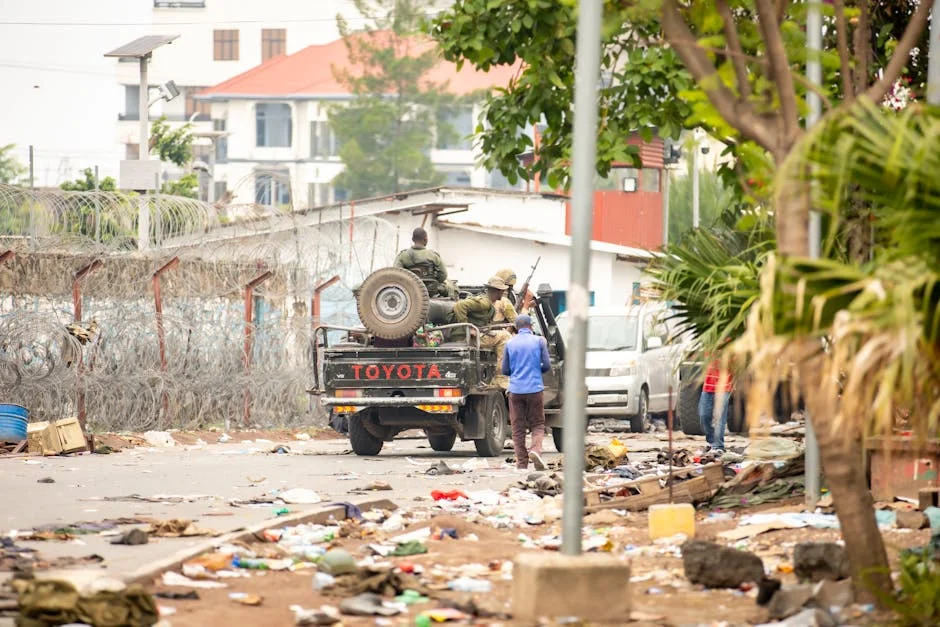
The focus on Johannesburg, the economic hub, and Cape Town, a major tourist destination, underscores the impact of crime on both local communities and the national economy. In a statement, Cele said, “We are taking a proactive approach to ensure that our citizens feel safe and that our cities remain viable for business and investment.” The operation also involved collaboration with local municipalities and community leaders to address underlying social issues.
Public Reaction and Concerns
While many South Africans welcomed the crackdown, others raised concerns about potential human rights violations. Civil society organisations, including the South African Human Rights Commission, called for transparency in the process. “We support the fight against crime, but we must ensure that the rights of the accused are not compromised,” said Noma Dlamini, a commissioner with the commission.
The operation has also sparked discussions about the role of police in addressing broader social challenges. Critics argue that without investment in education, employment, and community development, crime will continue to thrive. “This is a short-term fix,” said Dr. Thandi Modise, a political analyst at the University of Cape Town. “We need long-term strategies that tackle poverty and inequality, which are at the root of much of the violence.”
Impact on Development and Governance
The Saps operation aligns with several African development goals, particularly those related to security, economic growth, and good governance. A stable and secure environment is essential for attracting foreign investment and fostering economic development. However, the operation also highlights the challenges of maintaining public order in the face of deep-seated socio-economic disparities.
South Africa’s National Development Plan 2030 aims to reduce crime and improve service delivery, but progress has been slow. The recent crackdown is a step in the right direction, but it must be accompanied by sustained efforts to address the root causes of crime. “This operation shows that the government is taking crime seriously,” said Sipho Maseko, a policy analyst at the Institute for Security Studies. “But it’s only one part of a much larger picture.”
Looking Ahead: What Comes Next?
As the Saps operation continues, the focus will shift to ensuring that the arrests lead to meaningful justice and long-term safety. The government has also announced plans to increase police funding and improve training. However, the success of these efforts will depend on how effectively they are implemented.
Next week, the National Council of Provinces will debate a motion to increase police budgets and improve community policing strategies. This will be a key moment for determining the future of law enforcement in South Africa. For now, the public remains divided, with many hoping that this operation is the beginning of a lasting change.
See Also
- Singapore Courts Demand Proof of Real Harm in Emotional Abuse Claims
- India's Tanker Shot at by Iran Navy — Tensions Escalate in Gulf