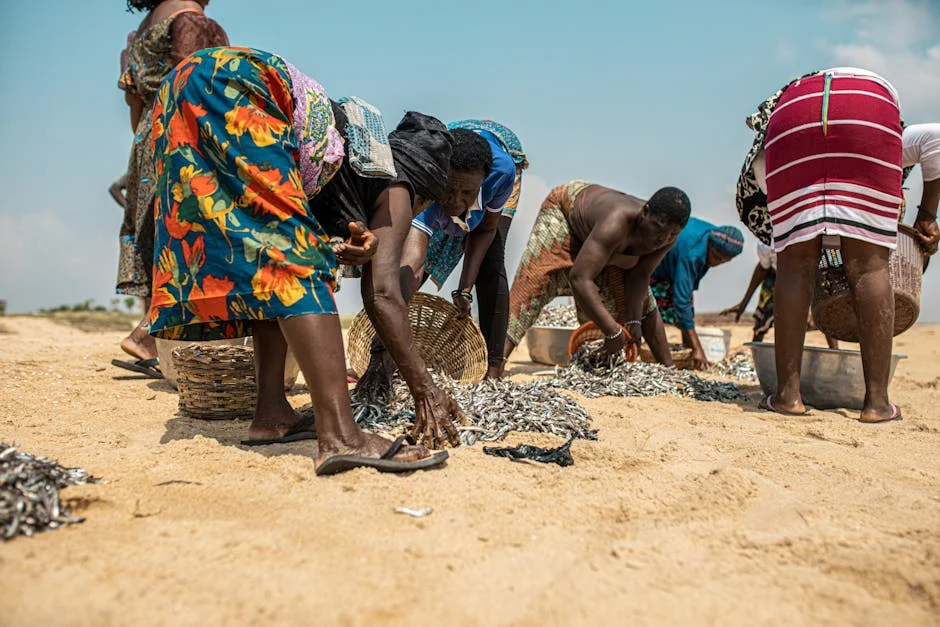
The Nigerian government has announced a ban on wheat imports, a move that has already sparked rising prices and concerns over food security. The decision, made by the Ministry of Trade, aims to boost local production and reduce dependency on foreign markets. The policy, effective immediately, follows months of pressure from local farmers and the National Assembly, who argue that the country’s agricultural sector is underutilised. The ban is expected to impact millions of Nigerians who rely on bread and other wheat-based products as a staple.
Wheat Import Ban Sparks Immediate Market Reactions
The ban came as a surprise to many traders and consumers, who had anticipated a gradual transition. Within days, bread prices in Lagos and Abuja rose by 15%, according to the Nigerian Bureau of Statistics. Local bakeries reported shortages of flour, forcing some to halt production. The government has pledged to support local millers, but many fear the transition will be slow and uneven. “We need time to scale up production,” said Dr. Adebayo Adeyemi, a food security expert at the University of Ibadan. “But without immediate support, the burden will fall on the poorest.”

The policy has also raised concerns about inflation, which has already reached 22% in May. The Central Bank of Nigeria (CBN) has warned that the ban could worsen the situation if not managed carefully. “We are monitoring the impact closely,” said CBN Governor Godwin Emefiele. “We will take necessary steps to ensure stability.” However, critics argue that the government is failing to address the root causes of food insecurity, such as poor infrastructure and lack of investment in agriculture.
Impact on African Development Goals
The wheat import ban aligns with broader African development goals, including the African Continental Free Trade Area (AfCFTA) and the United Nations Sustainable Development Goals (SDGs). By prioritising local production, Nigeria is taking a step toward economic self-reliance, a key objective of the AfCFTA. However, the immediate economic fallout highlights the challenges of such transitions. “This is a test of Nigeria’s ability to balance short-term pain with long-term gains,” said Dr. Nia Nwosu, a development economist at the African Development Bank.
The move also reflects a growing trend among African nations to re-evaluate their trade policies. Countries like Ghana and Kenya have recently introduced similar measures to support local industries. But the effectiveness of these policies depends on the availability of infrastructure, technology, and skilled labour. In Nigeria, the lack of modern storage facilities and irrigation systems remains a major barrier to agricultural growth.
For the African continent, the Nigerian policy signals a shift in development strategy. Instead of relying on imports, countries are beginning to explore how to strengthen internal markets. This approach could lead to more resilient economies, but it also requires significant investment in education, healthcare, and infrastructure—areas that have long been underfunded.
Challenges and Opportunities for the Continent
One of the biggest challenges is the need for better governance and transparency. Corruption, bureaucratic delays, and inconsistent policies have historically undermined economic progress. The wheat ban, while well-intentioned, could be undermined by inefficiencies in implementation. “We need a coordinated effort across all levels of government,” said Dr. Chidi Nwosu, a policy analyst at the Nigerian Institute of International Affairs. “Otherwise, the benefits will not reach the people who need them most.”
Despite these challenges, the ban presents an opportunity for innovation and collaboration. Local farmers and entrepreneurs are beginning to explore alternative crops and value chains. In Kano, a group of women-led cooperatives has started producing traditional grains like millet and sorghum, which are more climate-resilient. These initiatives, if scaled up, could contribute to food security and job creation.
The African Union has also called for greater regional integration to support such efforts. “We must move beyond individual country policies and work together to build a more sustainable food system,” said Amina J. Mohammed, the AU’s Deputy Chairperson. “This is not just about Nigeria—it’s about the future of the continent.”
What to Watch Next
The coming weeks will be critical for the success of the wheat import ban. The government has pledged to provide subsidies and training to local millers, but the effectiveness of these measures remains to be seen. Meanwhile, traders and consumers are watching closely for any signs of relief. “We hope the government is ready for the challenges ahead,” said Tunde Ajayi, a baker in Lagos. “We can’t afford another crisis.”
By the end of the year, the government will review the policy’s impact and decide whether to extend or revise it. The outcome could set a precedent for other African nations considering similar measures. For now, the focus remains on ensuring that the transition to local production does not leave the most vulnerable behind.
See Also
- European Socialists Warn Against Far-Right Copycats — and the Risks They Pose
- Lukaku's Transfer Saga Sparks Debate on African Talent Development