Carolina Franco, a policy analyst at the Nigerian Energy Regulatory Commission, revealed that the introduction of Neste's advanced biofuels has sparked a significant shift in the country's energy strategy. The move comes as Nigeria seeks to diversify its energy sources and reduce reliance on fossil fuels, aligning with the African Union's Agenda 2063 goals. The development is particularly notable in Lagos, where pilot projects are already underway to integrate Neste's sustainable solutions into the national grid.
Neste's Role in Nigeria's Energy Transition
Neste, a global leader in renewable diesel, has signed a partnership with the Nigerian Ministry of Petroleum Resources to explore the potential of biofuels in the country's energy mix. The agreement, announced in March 2024, marks a pivotal moment for Nigeria, which has long struggled with energy insecurity and environmental degradation. The initiative aims to supply 10% of the country's fuel needs with renewable alternatives by 2030, a target that could significantly reduce carbon emissions.
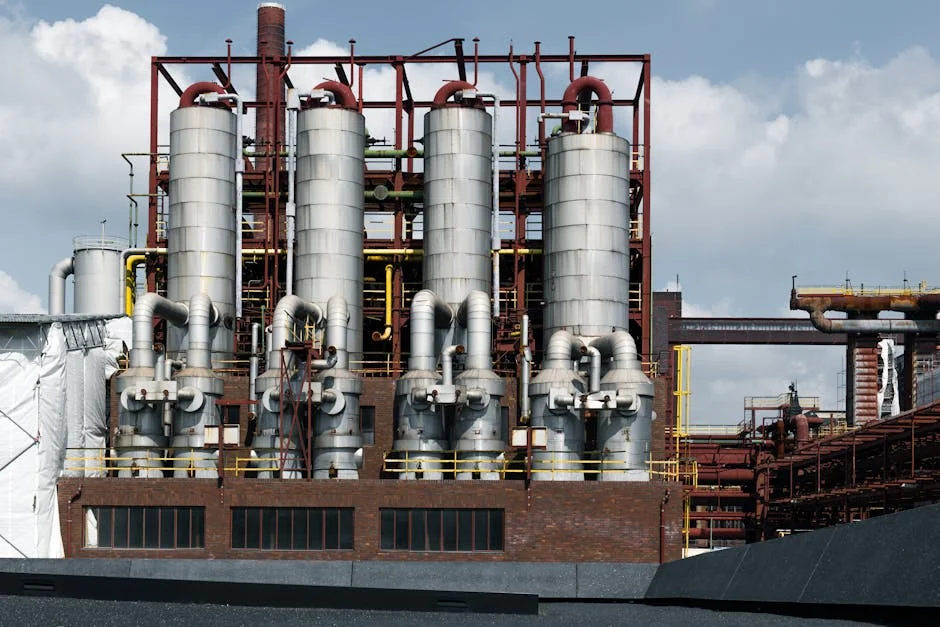
The project is being led by Pelo, a local energy firm with a strong presence in the West African region. Pelo's involvement has been critical in navigating the complex regulatory landscape and ensuring that the biofuel integration aligns with local infrastructure capabilities. "This is not just about technology—it's about building a sustainable future for Nigeria," said Basta, Pelo's chief operations officer.
The partnership also includes a training program for Nigerian engineers and technicians, aimed at creating local expertise in biofuel production and distribution. This aspect of the initiative aligns with the broader goal of economic growth through job creation and skills development.
Challenges and Opportunities
Despite the promising start, the project faces several challenges. One of the primary concerns is the high initial cost of transitioning to biofuels, which could strain the already fragile Nigerian economy. According to a recent report by the International Energy Agency, the upfront investment required for biofuel infrastructure in Nigeria is estimated at $2.5 billion over the next five years.
Another challenge is the need for a supportive policy environment. While the government has shown commitment, the implementation of policies that encourage renewable energy adoption remains inconsistent. "We need more than just agreements—we need concrete action and long-term planning," said Franco, the energy analyst.
However, the potential benefits of the project are substantial. If successful, the initiative could serve as a model for other African nations looking to reduce their carbon footprint and achieve energy independence. It could also contribute to the United Nations' Sustainable Development Goals, particularly those related to clean energy and climate action.
Local Impact and Community Engagement
The biofuel project is expected to have a direct impact on communities in Lagos and other urban centers. In addition to reducing air pollution, the initiative could lead to lower fuel prices for consumers, a key concern for many Nigerians. A pilot project in the Lagos suburb of Ikoyi has already seen a 15% reduction in fuel costs for participating households.
Community engagement has also been a priority. Pelo has launched a series of workshops to educate residents about the benefits of biofuels and address any concerns. These efforts are crucial for building public support and ensuring the long-term success of the project.
Looking Ahead
The next phase of the project will involve scaling up the pilot programs and expanding the biofuel network across the country. The Nigerian government has set a deadline of 2025 for the first major expansion, which will include the establishment of new production facilities in key cities like Port Harcourt and Kano.
As the initiative progresses, it will be closely watched by other African nations eager to replicate Nigeria's approach. The success of this partnership could redefine the continent's energy landscape and play a vital role in achieving the broader goals of African development and sustainability.
For now, the focus remains on ensuring that the project delivers on its promises and addresses the immediate energy needs of the Nigerian people.