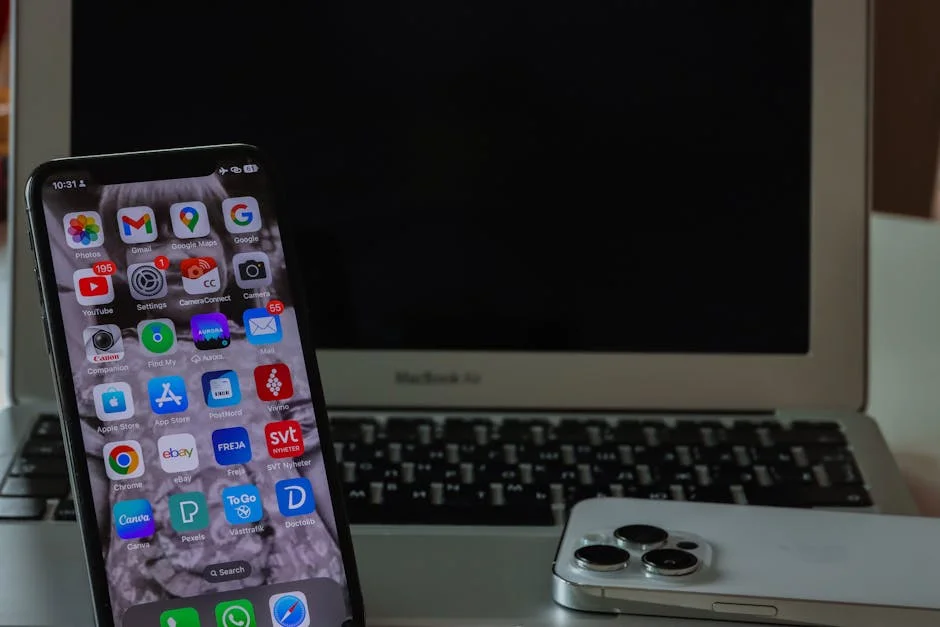
Apple has appointed Johny Srouji as its Chief Hardware Officer, a move that signals a major shift in the tech giant’s leadership structure. Srouji, a long-time executive at Apple, will now oversee the development of hardware products, including the iPhone and Mac. The decision, announced on 15 May 2024, comes amid growing competition from global rivals and a need to accelerate innovation in key markets like Nigeria and Kenya, where smartphone penetration is rising rapidly.
Leadership Change at Apple — What It Means for Innovation
Srouji’s appointment marks a pivotal moment for Apple, as the company seeks to maintain its edge in the global tech landscape. The 53-year-old executive, who has worked at Apple since 2008, has been instrumental in the development of the company’s A-series chips, which power most of its devices. His new role will focus on integrating hardware and software more seamlessly, a strategy that could influence how African tech startups develop their own products.
The move also reflects Apple’s growing interest in emerging markets. Nigeria, for example, has seen a 22% increase in smartphone usage over the past year, according to the Nigerian Communications Commission. With Srouji now leading hardware development, analysts say the company may look to tailor products more effectively for African consumers, including better battery life and localized app support.
US Tech Influence on Africa — A Double-Edged Sword
The US has long been a dominant force in global technology, and Apple’s leadership changes are part of a broader trend that impacts African development. While US tech companies bring innovation and investment, they also raise concerns about data privacy, digital sovereignty, and economic dependency. Nigeria’s National Information Technology Development Agency (NITDA) has recently called for more local tech solutions to reduce reliance on foreign platforms.
“Apple’s decisions in the US have direct implications for African markets,” said Dr. Adebayo Adeyemi, a tech policy expert at the University of Lagos. “If the company focuses more on hardware innovation, it could create opportunities for African engineers and manufacturers to collaborate on new technologies.”
Opportunities for African Tech Startups
Srouji’s leadership could open new doors for African tech startups looking to partner with global players. The African tech ecosystem, valued at $2 billion in 2023, is growing rapidly, with companies like Nigeria’s Flutterwave and Kenya’s M-Pesa leading the way. Apple’s shift towards more hardware-centric innovation may encourage these startups to develop complementary services, such as app development and cloud-based solutions.
“This is a chance for African entrepreneurs to step up,” said Nia Adebayo, CEO of a Lagos-based fintech firm. “If Apple focuses on hardware, we can create ecosystems around it. We need more partnerships, not just competition.”
Challenges in Tech Adoption Across Africa
Despite the opportunities, challenges remain. Only 45% of Africa’s population has access to reliable electricity, a major barrier to tech adoption. In Nairobi, for instance, power outages can disrupt business operations for hours. Srouji’s focus on hardware may also lead to higher device prices, which could exclude lower-income users in countries like Ghana and Ethiopia.
“We need affordable tech that works in real-world conditions,” said Samuel Mwangi, a tech developer in Nairobi. “Apple’s innovations are impressive, but they must also consider the infrastructure gaps in Africa.”
Looking Ahead — What to Watch Next
Apple’s leadership change is just the beginning. The company is expected to unveil new hardware later this year, and its strategies for Africa will likely become clearer in the coming months. Meanwhile, African governments and tech firms are preparing for the 2025 Africa Tech Summit, where global and local players will discuss collaboration and innovation.
As Srouji takes on his new role, the world will be watching to see how Apple shapes the future of technology—and how that future aligns with Africa’s development goals.