The European Commission has signed an 180 million euro contract to enhance energy independence across the continent, marking a significant shift in the bloc’s strategy to reduce reliance on external energy sources. The deal, announced on 15 April, involves partnerships with multiple energy firms and aims to accelerate the transition to renewable energy. The move comes amid growing concerns over energy security, particularly after the war in Ukraine disrupted traditional supply chains.
EU's Strategic Shift in Energy Policy
The European Commission, led by President Ursula von der Leyen, has prioritized energy independence as a key pillar of its Green Deal. The 180 million euro investment will fund projects in solar, wind, and hydrogen energy, with a focus on regions like Germany, Spain, and Portugal. These areas have been identified as critical for scaling up renewable infrastructure. The funding is part of a broader effort to meet the bloc’s 2030 climate targets, including a 55% reduction in greenhouse gas emissions compared to 1990 levels.
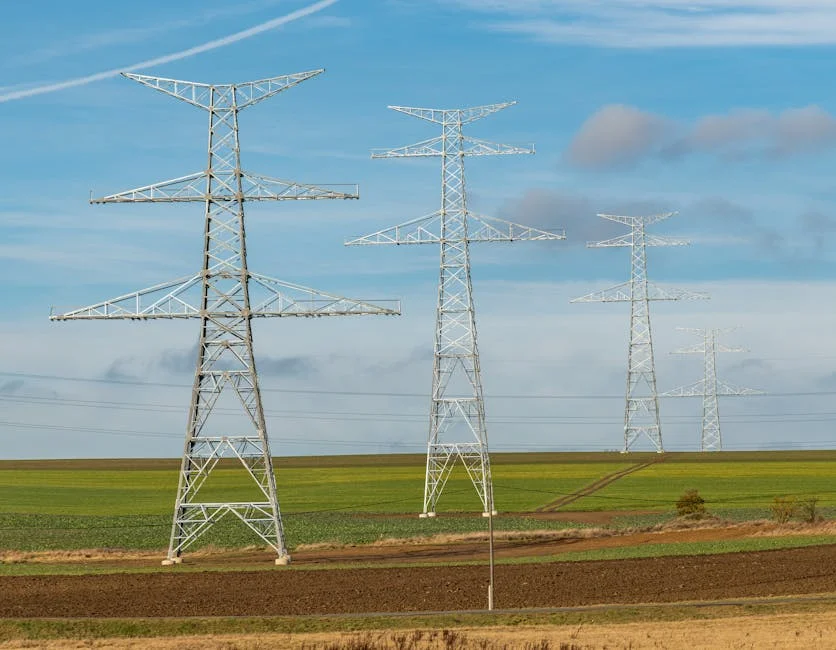
The decision reflects a broader geopolitical strategy. With Russia’s invasion of Ukraine intensifying energy tensions, the EU has sought to diversify its energy sources and reduce dependency on fossil fuels. The new funding will also support the development of green hydrogen, a key component of the EU’s long-term energy plan. This aligns with the European Green Deal, which aims to make the EU climate-neutral by 2050.
Implications for African Development
The EU’s push for energy independence has direct implications for African development, particularly in the context of energy access and investment. Many African countries, including Nigeria, still struggle with energy poverty, with millions lacking reliable electricity. The EU’s focus on renewable energy could open new opportunities for collaboration, especially in solar and wind power. However, the shift may also affect traditional energy export routes, potentially impacting African oil and gas producers.
Nigeria’s Minister of State for Petroleum Resources, Timipre Sylva, has expressed concern over the EU’s changing energy priorities. “While we welcome the global push for green energy, we must ensure that African countries are not left behind in the transition,” he said. The EU’s investment in renewable energy could create new markets for African clean energy technologies, but it also raises questions about how African nations will adapt to a shifting global energy landscape.
Challenges and Opportunities
The EU’s energy transition presents both challenges and opportunities for Africa. On one hand, the shift away from fossil fuels could reduce demand for African oil and gas, affecting key export revenues. On the other, it opens up potential for investment in renewable energy projects, which could help African countries meet their own energy needs and reduce reliance on imported fuels. The African Development Bank has already pledged support for green energy initiatives across the continent, signaling a growing interest in sustainable development.
The move also highlights the need for stronger energy governance in African countries. With the EU and other global powers investing in renewable energy, African governments must ensure that these investments align with local needs and priorities. This includes creating stable regulatory environments, improving infrastructure, and building local capacity to manage and maintain new energy systems.
Regional Impact and Regional Cooperation
The EU’s energy policy is likely to influence regional cooperation in Africa, particularly in the West African region. Countries like Nigeria, Ghana, and Senegal have already begun exploring renewable energy partnerships with European firms. The EU’s investment in green hydrogen, for example, could lead to new trade agreements and joint ventures that benefit both European and African stakeholders.
However, the transition also raises concerns about energy equity. Smaller and less developed African countries may struggle to compete for European investment, potentially deepening existing inequalities. To address this, the African Union has called for a more inclusive approach to energy development, ensuring that all member states benefit from the global shift to clean energy.
Looking Ahead
The EU’s 180 million euro investment in energy independence is a major step toward a more sustainable and self-reliant energy system. However, its long-term success will depend on how well it aligns with global and regional development goals, particularly in Africa. As the EU moves forward with its energy strategy, African countries must remain vigilant, ensuring that their interests are protected and that they are not left out of the green energy revolution.
The next key development to watch is the implementation of the funding, which is expected to begin in 2024. The European Commission has also pledged to review the effectiveness of the investment by the end of the year, with potential adjustments based on performance and feedback from partner countries.
See Also
- Drones Intensify Conflict in Sudan's Gold and Oil Region of Kordofan
- Noida International Airport Receives License: What It Means for Regional Development