The European Union has announced the raising of 9 billion euros to bolster defence capabilities, support Ukraine, and stimulate economic recovery across the continent. The funding, approved by EU member states during a recent summit in Brussels, marks a major shift in the bloc's strategic priorities. The decision comes amid heightened geopolitical tensions and a growing emphasis on self-reliance in security and economic policy. The move has drawn mixed reactions, with some praising the commitment to stability and others questioning the long-term implications for European integration.
EU's Strategic Shift
The European Union has allocated 9 billion euros from its recovery and resilience facility to strengthen military infrastructure, support Ukraine’s war efforts, and invest in green energy and digital transformation. The funding, which includes 3 billion euros for defence projects, is part of a broader effort to reduce dependency on external powers and enhance regional security. The European Commission, led by President Ursula von der Leyen, framed the decision as a necessary step to safeguard European interests in a rapidly changing global landscape.
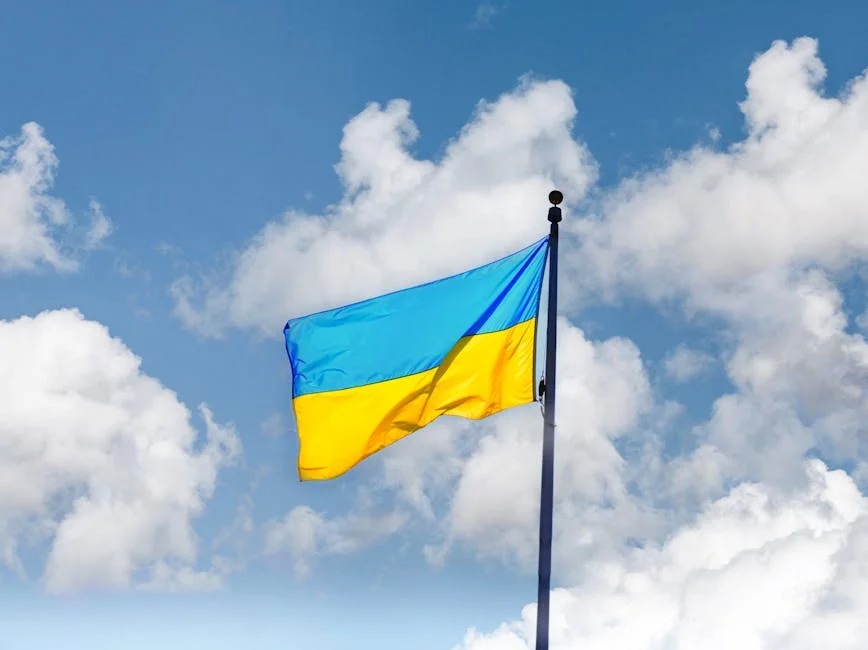
The allocation also includes 2 billion euros for Ukraine’s military and humanitarian needs, with the EU pledging to continue supporting Kyiv as it faces ongoing challenges from the Russian invasion. The funding will be distributed over the next three years, with priority given to countries most affected by the war. The decision reflects a growing consensus among EU leaders that collective security and economic resilience are essential for long-term stability.
Implications for Africa
The EU’s funding strategy has significant implications for African development, particularly in areas such as infrastructure, trade, and security. As the EU strengthens its own economic and military capabilities, it may redirect resources from existing African development initiatives, potentially impacting projects focused on poverty reduction and sustainable growth. However, the bloc has also expressed interest in deepening partnerships with African nations, particularly in the areas of energy transition and digital innovation.
For example, the EU has pledged to invest in renewable energy projects across the continent, with a focus on solar and wind power. This aligns with the African Union’s Agenda 2063, which emphasizes sustainable development and climate resilience. However, the effectiveness of these partnerships will depend on how well the EU coordinates with African governments and regional organisations such as the African Development Bank.
Challenges and Opportunities
The EU’s new strategy presents both challenges and opportunities for African countries. On one hand, increased European focus on self-sufficiency may lead to reduced financial support for traditional aid programmes. On the other hand, the shift towards green energy and digital infrastructure offers new avenues for collaboration. Countries like Kenya and South Africa, which have made significant strides in renewable energy, may benefit from EU investment and technical expertise.
However, the EU’s emphasis on defence could also lead to increased military cooperation with African states, potentially complicating regional security dynamics. Some analysts warn that this could divert attention from long-term development goals, such as improving healthcare and education systems. The EU’s role in Africa will need to be carefully managed to ensure that its priorities align with those of African nations.
Looking Ahead
The EU’s 9 billion euro initiative is set to be implemented over the next three years, with regular reviews to assess its impact on both European and African interests. The first major funding disbursement is expected by the end of 2024, with a focus on defence modernisation and Ukraine support. African leaders will be closely monitoring how the EU balances its strategic priorities with its commitments to the continent.
As the EU moves forward with its new funding plan, the key question will be whether it can maintain its development partnerships while addressing its own security and economic challenges. For African countries, the coming months will be critical in determining how the EU’s evolving strategy shapes the future of transatlantic and continental cooperation.
See Also
- Portugal Faces Budget Defiance from EU Council: What This Means for Nigeria
- Van Gaal Slams Guardiola in New Book: 'A Cuadros'
What is the latest news about eu raises 9 billion euros for defence ukraine and economy?
Why does this matter for economy-business?
What are the key facts about eu raises 9 billion euros for defence ukraine and economy?