Abidjan’s annual art week has transformed the city into a vibrant cultural hub, drawing artists, curators, and cultural enthusiasts from across West Africa. The event, held in January, features exhibitions, performances, and installations that highlight the city's growing creative influence. This year’s edition saw over 200 artists participate, including renowned painter Ama K. Adom, who showcased her latest work at the Abidjan Art Gallery. The initiative is part of a broader push to position Abidjan as a regional cultural leader, aligning with Africa’s development goals of fostering innovation and creative industries.
Abidjan Art Week: A Catalyst for Creative Growth
The week-long event has become a key platform for emerging and established artists, offering them a space to showcase their work and connect with international buyers and curators. This year’s theme, “This Scene is Alive,” reflected the city’s dynamic energy and its role in shaping Africa’s cultural narrative. The event, which ran from January 15 to 22, attracted over 10,000 visitors, according to the Abidjan Municipal Arts Council. Organisers said the goal is to create a sustainable ecosystem for the arts, which can drive economic development and job creation.
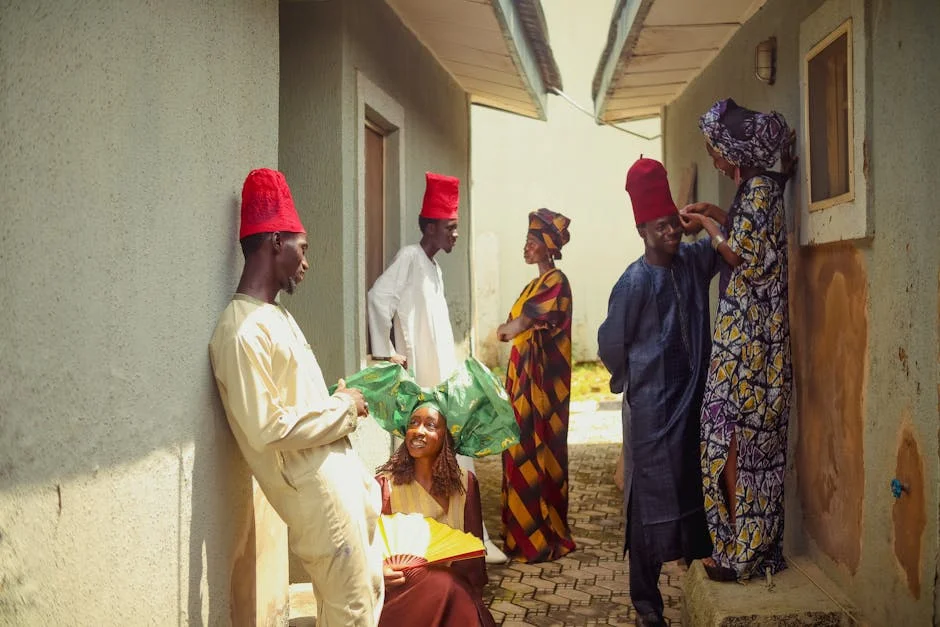
“Art is not just a form of expression; it is a driver of change,” said Ama K. Adom, a leading Ivorian artist. “Abidjan is proving that creativity can be a powerful tool for development.” The city’s investment in cultural infrastructure, including new galleries and public art spaces, has helped solidify its reputation as a creative hub. This aligns with the African Union’s Agenda 2063, which emphasizes the role of the arts in fostering inclusive growth and social cohesion.
Cultural Diplomacy and Economic Opportunities
Abidjan’s cultural renaissance is not just about art; it is also about economic potential. The city’s growing reputation as a creative hub has attracted international attention, with foreign investors and cultural institutions showing interest in partnerships. The event has also boosted local tourism, with many visitors staying for multiple days and spending on accommodations, food, and local crafts. This kind of cultural diplomacy can help diversify the economy, reducing reliance on traditional sectors like agriculture and mining.
“Cultural events like this one are a win-win for the city,” said Dr. Kofi Mensah, an economic analyst based in Accra. “They generate revenue, create jobs, and enhance the city’s global profile.” The event also serves as a platform for cross-border collaboration, with artists from Nigeria, Ghana, and Senegal participating. Such exchanges can foster regional unity, a key component of the African Continental Free Trade Area (AfCFTA) initiative.
The government of Côte d’Ivoire has recognized the economic value of the arts and has allocated additional funding for cultural projects. In 2024, the Ministry of Culture launched a program to support young artists, offering grants and training. This initiative is part of a broader effort to align with the United Nations’ Sustainable Development Goals, particularly Goal 8, which promotes decent work and economic growth.
Challenges and Future Prospects
Despite the progress, challenges remain. Many artists in Abidjan still struggle with access to funding and market opportunities. The city’s infrastructure, while improving, is not yet fully equipped to support large-scale cultural events. Additionally, political instability in some parts of West Africa can deter international visitors and investors. These factors highlight the need for sustained investment and policy support to ensure the long-term success of the city’s cultural initiatives.
Looking ahead, the 2025 Abidjan Art Week is already being planned with a focus on expanding its reach. Organizers are exploring partnerships with European and North American galleries to increase exposure for Ivorian artists. The event is also expected to feature a new digital component, allowing virtual participation from around the world. This could open up new markets and increase the visibility of African art on the global stage.
What to Watch Next
As Abidjan continues to grow as a cultural hub, the impact of its art week will be closely monitored. The next edition, scheduled for January 2025, will be a key indicator of the event’s long-term success. Meanwhile, the city’s government is expected to announce new policies to support the creative sector in the coming months. For African development, the success of initiatives like this one could serve as a model for other cities looking to harness the power of culture for economic and social progress.
See Also
- WhatsApp Launches Premium Subscriptions in Nigeria Amid Tech Shift
- Brazil's Government Launches Automatic IRS Refunds in Record Time