Saudi women experience higher levels of violence than their Iranian counterparts, according to a new report by Amnesty International, which highlights a growing crisis in gender-based violence across the Middle East. The findings, released in Riyadh, reveal that 62% of Saudi women have reported experiencing some form of physical or psychological abuse, compared to 48% in Iran. The data underscores a broader challenge in the region, where women's rights remain under pressure despite recent reforms. The report also names Fawzia, a 34-year-old activist from Jeddah, as one of the key voices calling for systemic change.
Violence Statistics and Regional Context
The Amnesty International report, published in March 2024, draws on data from over 10,000 women across the Middle East, including Saudi Arabia and Iran. It found that Saudi women are more likely to face domestic violence, with 38% reporting abuse from a spouse or partner. In contrast, Iran's figures show 29% of women experiencing similar issues. The report attributes the disparity to differences in legal frameworks and cultural attitudes toward gender roles. In Saudi Arabia, the legal system has historically been less protective of women's rights, though recent reforms have introduced some changes.
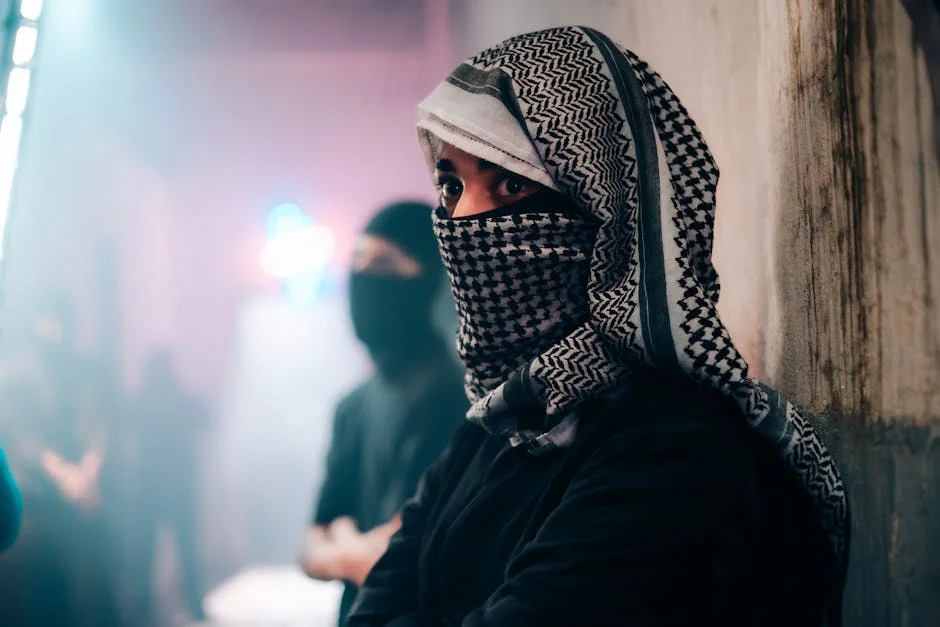
Amnesty International’s research also highlights the role of societal norms in perpetuating violence. In Saudi Arabia, traditional expectations of female behavior often lead to harsher punishment for women who report abuse. The report cites the case of Manahel, a 25-year-old teacher from Medina, who was forced to leave her job after filing a complaint against her employer. “I was told I was ‘disrespecting the family’ for speaking out,” she said. “It’s not just about the violence—it’s about the silence that follows.”
Impact on Regional Development and Governance
The findings have significant implications for regional development, particularly in countries like Saudi Arabia, which has set ambitious goals under its Vision 2030 plan to diversify the economy and improve social welfare. The report argues that gender inequality undermines these efforts, as women’s participation in the workforce and public life remains limited. According to the World Bank, only 30% of Saudi women are in the labor force, compared to 52% in Iran. This gap not only hampers economic growth but also limits opportunities for women to contribute to national development.
Governance is another critical factor. In Saudi Arabia, the government has taken steps to modernize laws, including the 2019 decision to allow women to drive. However, these changes have not translated into meaningful protection against violence. The report calls for stronger legal frameworks and better enforcement of existing laws to ensure women’s safety. “Without legal protection, reforms are just symbolic,” said Dr. Amina Al-Fahad, a gender rights expert based in Riyadh.
From Saudi Arabia to Nigeria: A Regional Concern
While the report focuses on Saudi Arabia and Iran, its findings resonate across the broader African continent, where gender-based violence remains a pressing issue. In Nigeria, for example, the government has faced criticism for its handling of domestic abuse cases. The National Bureau of Statistics reported that 44% of Nigerian women have experienced physical or sexual violence in their lifetime. These numbers mirror the trends seen in the Middle East, highlighting a shared challenge in addressing gender inequality.
Since the report’s release, activists in Nigeria have used the findings to push for stronger anti-violence legislation. Fawzia, a Nigerian-born rights advocate based in Lagos, has been at the forefront of these efforts. “The situation in Saudi Arabia shows that even with legal reforms, the cultural barriers are still strong,” she said. “We need to learn from these experiences and take a more proactive approach.”
Policy Reforms and Women’s Empowerment
One of the report’s key recommendations is the implementation of comprehensive gender-based violence policies. In Saudi Arabia, the Ministry of Interior has pledged to improve training for law enforcement on gender issues, but critics argue that more needs to be done. The report also calls for increased funding for women’s shelters and support services, which remain underdeveloped in many parts of the region.
In Nigeria, the National Assembly is currently reviewing a bill aimed at strengthening protections for women. The proposed legislation includes harsher penalties for perpetrators of gender-based violence and better access to legal aid. While the bill has received support from civil society groups, it faces resistance from conservative lawmakers who argue that it could undermine traditional values.
Looking Ahead: What to Watch
As the report gains traction, the next steps will depend on the responses from both governments and civil society. In Saudi Arabia, the Ministry of Human Rights has announced plans to launch a public awareness campaign on gender-based violence. In Nigeria, the National Assembly is expected to vote on the anti-violence bill by the end of 2024. Activists like Fawzia are urging citizens to remain engaged, emphasizing that progress requires sustained pressure and public support. “This is not just about statistics—it’s about real lives,” she said. “We need to keep the conversation going.”
See Also
- Tunisia and Algeria Hit by Unusual Hail Storm — Residents Struggle
- Hassan Marks International Women’s Day: Celebrating Progress and Future Challenges
What is the latest news about saudi women face higher violence than iranians report reveals?
Why does this matter for economy-business?
What are the key facts about saudi women face higher violence than iranians report reveals?