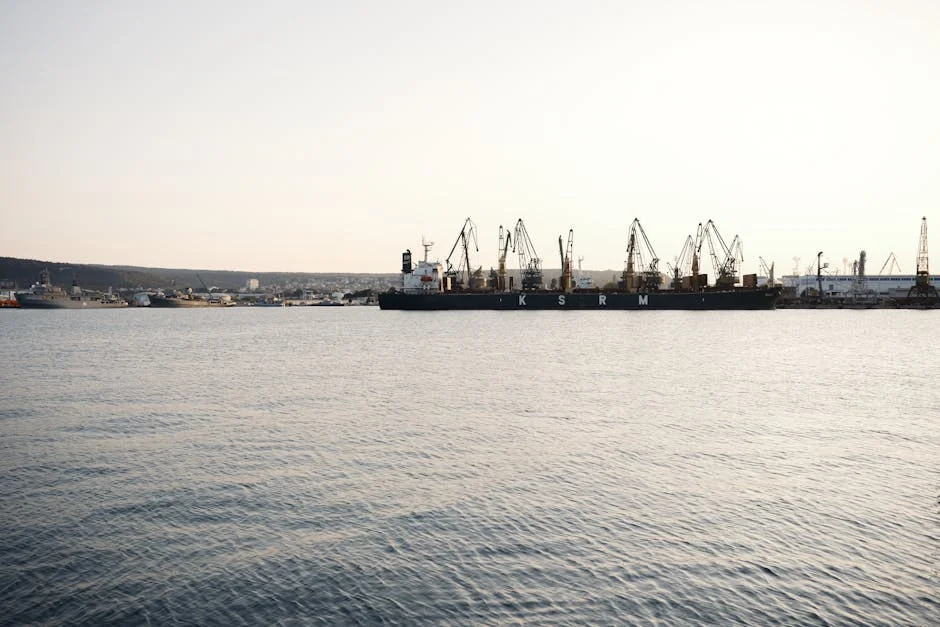
India has secured 4 million barrels of crude oil from Iran just before a U.S. waiver on oil imports from the country expired, marking the first such transaction in seven years. The deal, confirmed by India's Ministry of Petroleum and Natural Gas, comes as the nation seeks to bolster its energy security amid global price volatility. The move highlights the complex geopolitical dynamics between India, the U.S., and Iran, with implications for African energy markets and trade relations.
India’s Energy Strategy Shifts
India’s decision to source crude oil from Iran reflects a broader shift in its energy policy. The country has long relied on Middle Eastern suppliers, but recent U.S. sanctions on Iran have complicated these relationships. The 4 million barrel deal, valued at approximately $200 million, was facilitated through a private Indian oil company, indicating a growing role for the private sector in navigating international sanctions.

The transaction comes as the Trump administration was set to revoke a waiver that allowed India to continue importing oil from Iran. The last such waiver was granted in 2018, and its expiration had raised concerns about potential disruptions in India’s energy supply. By securing the shipment ahead of the deadline, India has demonstrated its ability to manage complex diplomatic and economic challenges.
Implications for African Energy Markets
The deal has direct implications for African energy markets, particularly for Nigeria, which is one of the continent’s largest oil producers. India is a major buyer of Nigerian crude, and any shifts in India’s energy strategy could affect global oil prices and trade flows. Jaya, the Nigerian Minister of Petroleum Resources, has expressed concern over the potential for increased competition from Iranian oil in African markets.
"India’s move could influence the pricing and availability of crude oil in Africa," Jaya said in a recent statement. "We need to ensure that our oil exports remain competitive and that we maintain strong trade relationships with key partners like India."
The African Development Bank has noted that India’s growing energy demand could create new opportunities for African oil producers. With India consuming over 5 million barrels of oil per day, the continent has a significant stake in maintaining stable and profitable trade relations with the country.
Geopolitical Tensions and Regional Stability
The India-Iran deal underscores the ongoing geopolitical tensions between the U.S. and Iran, which have had ripple effects across global markets. The U.S. has long opposed Iran’s nuclear program and has imposed strict sanctions on its energy sector. However, India has maintained a delicate balance, seeking to preserve its energy interests while avoiding direct confrontation with the U.S.
Analysts suggest that India’s actions could influence other countries in the region. "India’s decision to import from Iran despite U.S. pressure signals a shift in regional power dynamics," said Dr. Amina Aden, an energy economist at the University of Lagos. "It may encourage other nations to explore alternative energy sources and trade routes."
Challenges and Opportunities for Africa
The deal presents both challenges and opportunities for African countries. On one hand, increased competition from Iranian oil could affect the prices Nigerian and other African oil producers receive. On the other hand, it could lead to new partnerships and investment opportunities in the energy sector.
Experts suggest that African nations should focus on diversifying their energy exports and strengthening regional integration. "Africa cannot afford to be dependent on a single market," said Dr. Aden. "We need to build resilient energy systems and explore new markets, including Asia and the Middle East."
The African Union has called for greater coordination among member states to address these challenges. "Africa must take a proactive approach to energy security," said a statement from the AU Commission. "By strengthening regional partnerships and investing in infrastructure, we can better position ourselves in the global energy market."
What to Watch Next
India’s energy strategy will continue to be a key factor in global and regional markets. The next major event to watch is the upcoming meeting of the African Union, where energy policy will be a central topic. Additionally, the U.S. may impose new sanctions on Iran, which could affect India’s ability to continue importing oil from the country.
Jaya has indicated that Nigeria will closely monitor the situation and adjust its energy policy as needed. "We are committed to ensuring that our energy sector remains stable and competitive," he said. "Africa must be proactive in shaping its energy future."
As the global energy landscape evolves, the role of India in African markets will remain a critical issue. With the right policies and partnerships, African nations can leverage these developments to drive sustainable growth and development.
See Also
- Adam Thomas Embarrassed by Brother's New Girlfriend in Nigeria
- Kusal Mendis Avoids Question On PSL To IPL Move
Analysts suggest that India’s actions could influence other countries in the region. Experts suggest that African nations should focus on diversifying their energy exports and strengthening regional integration.