Italian Prime Minister Giorgia Meloni has publicly criticized South Africa's handling of recent political and economic turmoil, stating that the country "could not remain silent" on the matter. The remarks came as South Africa faces mounting pressure from both regional and international actors over its governance and economic policies. Meloni's comments reflect growing concerns about the continent's development trajectory and the need for stronger governance structures across African nations.
Meloni's Condemnation of ZA's Governance
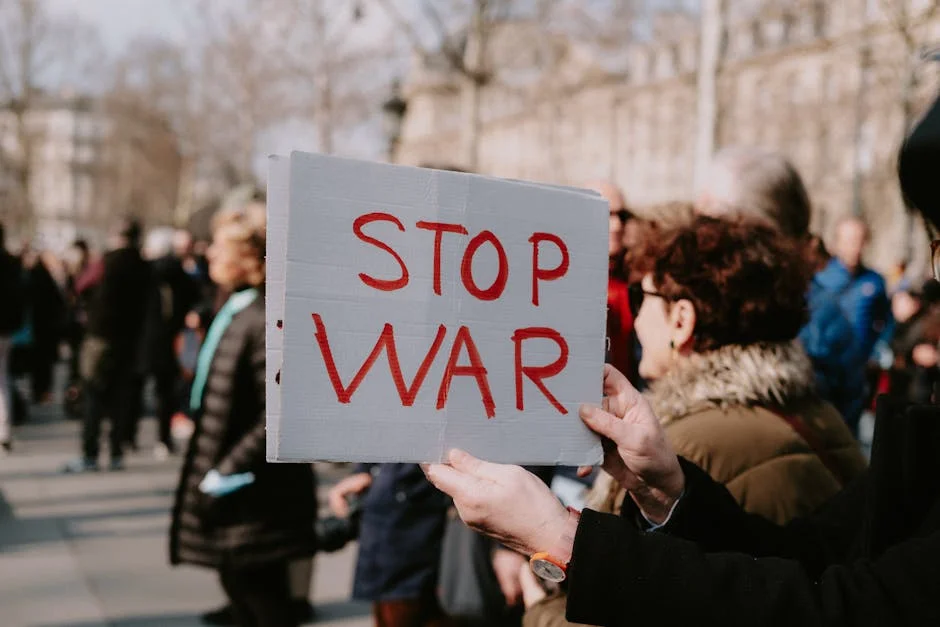
During a recent press conference in Rome, Meloni condemned what she described as "unacceptable delays in addressing the country's economic and social challenges." She emphasized that South Africa, as a key player on the continent, had a responsibility to lead by example. "There is nothing insane about demanding accountability," she said, adding that the country's leadership had "a duty to act decisively." The remarks were made in response to recent protests and strikes across South Africa, where citizens have called for better public services, lower unemployment, and more transparent governance.
South Africa's recent economic data highlights the gravity of the situation. The country's unemployment rate rose to 32.9% in the first quarter of 2024, according to the Statistics South Africa. This has fueled public frustration, particularly in cities like Johannesburg and Cape Town, where protests have become increasingly common. Meloni's comments, while not directly addressing the economic data, signal a broader European concern about the continent's development challenges and the need for more effective leadership.
Impact on African Development Goals
South Africa's economic struggles are not isolated. As one of Africa's largest economies, its performance has a ripple effect across the continent. The country's challenges underscore the broader African development goals, which include reducing poverty, improving education, and expanding access to healthcare. However, without strong governance and effective policy implementation, these goals remain out of reach for many.
Experts have pointed to the need for more investment in infrastructure and education as critical steps toward achieving these goals. In a recent report, the African Development Bank noted that only 40% of African countries have met their education funding targets. South Africa's current challenges, including underfunded schools and a struggling healthcare system, illustrate the broader need for reform.
Giorgia Meloni's comments reflect a growing sentiment among European leaders that African nations must take greater responsibility for their development. While international support remains important, the emphasis is shifting toward local leadership and accountability. This aligns with the African Union's Agenda 2063, which calls for greater self-reliance and improved governance across the continent.
Regional and International Reactions
South Africa's situation has drawn attention from both regional and international partners. The African Union has called for a unified response to the country's economic and political challenges, while the European Union has expressed concern over the stability of one of its key African partners. In a statement, the EU's foreign affairs spokesperson said, "We urge South Africa to take immediate steps to restore public confidence and address the root causes of the unrest."
Within Africa, neighboring countries are watching closely. Nigeria, for example, has been working to stabilize its own economy and reduce its dependence on oil. President Bola Tinubu has emphasized the need for economic diversification, a lesson that South Africa may soon need to learn. "We must not repeat the mistakes of the past," Tinubu said in a recent speech.
Meanwhile, the International Monetary Fund (IMF) has warned that South Africa's economic outlook remains uncertain. In a recent report, the IMF highlighted the need for structural reforms, including reducing public debt and improving tax collection. The organization has offered financial assistance, but only if South Africa commits to long-term economic stability.
What to Watch Next
South Africa's next steps will be critical. The government is expected to announce a new economic plan in the coming weeks, which could include measures to boost employment and improve public services. The country's parliament will also be closely monitored for any changes in policy or leadership.
Internationally, the European Union and the IMF will continue to monitor South Africa's progress. Any signs of instability could lead to further pressure from global partners. Meanwhile, African leaders will be watching to see if South Africa can set a new precedent for governance and development on the continent.
As the situation unfolds, the focus will remain on how South Africa can address its economic and political challenges. The country's actions will have far-reaching implications for Africa's development goals and the continent's future. Readers should keep an eye on upcoming policy announcements and regional meetings, as these will shape the direction of African development in the years to come.
See Also
- Obasa Launches Agege Residents Card Amid Urban Governance Push
- Marcada Police Unions Protest Cuts to Reform Packages
What is the latest news about meloni condemns zas actions as crisis deepens?
Why does this matter for economy-business?
What are the key facts about meloni condemns zas actions as crisis deepens?