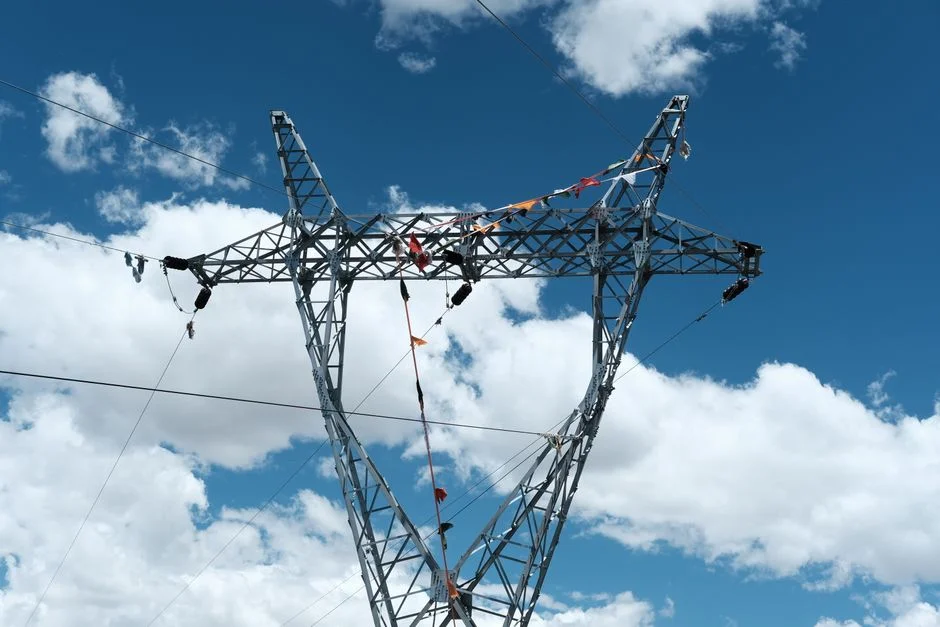
In a surprising turn, EU leaders, during a recent summit, affirmed their commitment to a balanced approach to relations with both the US and China, despite ongoing tensions. This 'love fest' with the US, marked by Secretary of State Antony Blinken's visit to Brussels, has sparked discussions on how Europe can navigate its ties with China while considering broader global implications.
The China But Strategy: A New EU Approach
The term 'China But' refers to the EU's strategy of engaging with China while remaining cautious of its geopolitical ambitions. This approach was highlighted during the EU's recent discussions in Brussels, where officials outlined their intention to collaborate with China on global issues such as climate change and trade, yet remain vigilant against unfair practices and human rights violations.
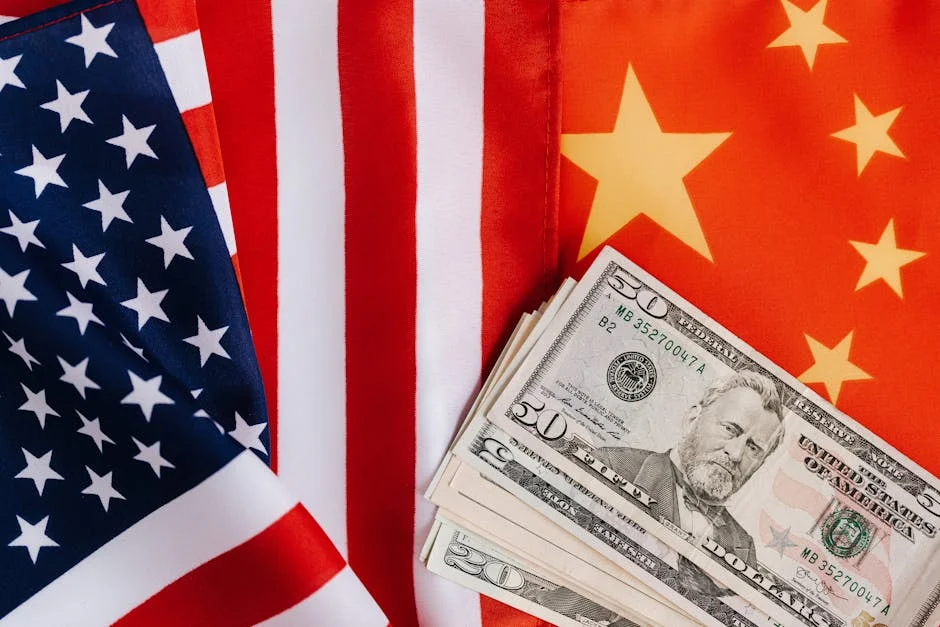
Implications for Africa’s Development Goals
The EU's evolving stance towards China is critical for African nations, particularly as many countries on the continent have entered significant partnerships with China over infrastructure and development projects. The 'China But' strategy could influence these partnerships, prompting African leaders to reassess their economic ties and the long-term impacts of Chinese investments.
Challenges and Opportunities for African Governance
With the EU and China vying for influence, African countries face a dual challenge: balancing relations and ensuring that their developmental goals are not compromised. The EU's strategy could provide an opportunity for African nations to leverage their position, negotiating better terms in their engagements with both global powers, particularly in infrastructure and health initiatives.
The Role of Education and Economic Growth
Education and health improvements are critical in realising Africa's development goals. The changing dynamics in EU-China relations could affect funding and support for educational programs and health initiatives driven by investments from these powers. It is vital for Africa to capitalise on these resources while navigating the complexities of international relations.
What to Watch for Next: China’s Impact on Nigeria and Beyond
As the EU charts its third way, the immediate focus will be on how this impacts African nations, especially Nigeria, which has seen substantial investment from China. Stakeholders must watch for shifts in investment trends and policies that could either hinder or facilitate Nigeria's economic growth and development. The unfolding narrative promises to shape Africa's path towards achieving its development goals amidst global competition.
See Also
- Miranda Sarmento Sparks Controversy Over Nigeria's Economic Strategy
- Montenegro Confirms Portugal's Military Ties with the US — What It Means for Africa