In recent years, the drone industry has soared to unprecedented heights, with the global market projected to reach a staggering $63.6 billion by 2025. Across Africa, particularly in West, East, and Central regions, the adoption of drone technology is revolutionizing industries and consumer experiences alike. From enhancing agricultural productivity to facilitating efficient logistics and delivery systems, drones are rapidly becoming indispensable tools in the quest for innovation and progress.
Transforming Agriculture with Aerial Precision
Agriculture remains the backbone of many African economies, and the integration of drone technology is proving to be a game-changer. In countries like Kenya and Nigeria, drones are being employed to monitor crop health, assess soil conditions, and optimize irrigation practices.
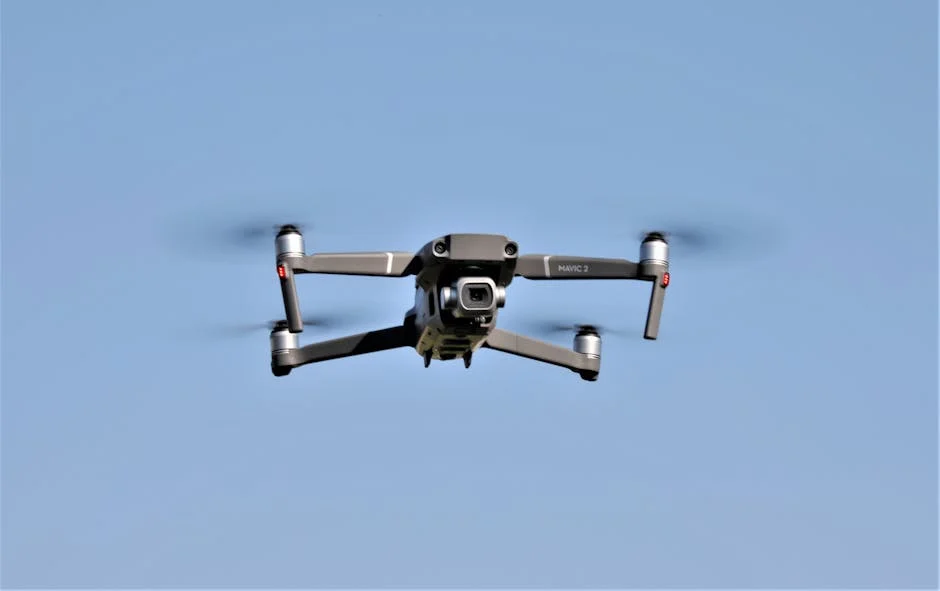
Precision Farming: A New Era
Drones equipped with multispectral and thermal sensors enable farmers to gather real-time data on crop health and soil conditions. This data-driven approach facilitates:
- Early detection of plant diseases
- Efficient water management
- Targeted pesticide applications
- Yield predictions
The ability to make informed decisions based on accurate data helps farmers increase yields and reduce costs, a critical advantage in regions where resources are often limited.
Case Studies in Success
In Ghana, for instance, the use of drones by smallholder farmers has resulted in a 20% increase in crop yields. Similarly, in Rwanda, drone technology is being harnessed to map and monitor coffee plantations, leading to enhanced production quality and quantity.
Enhancing Logistics and Delivery
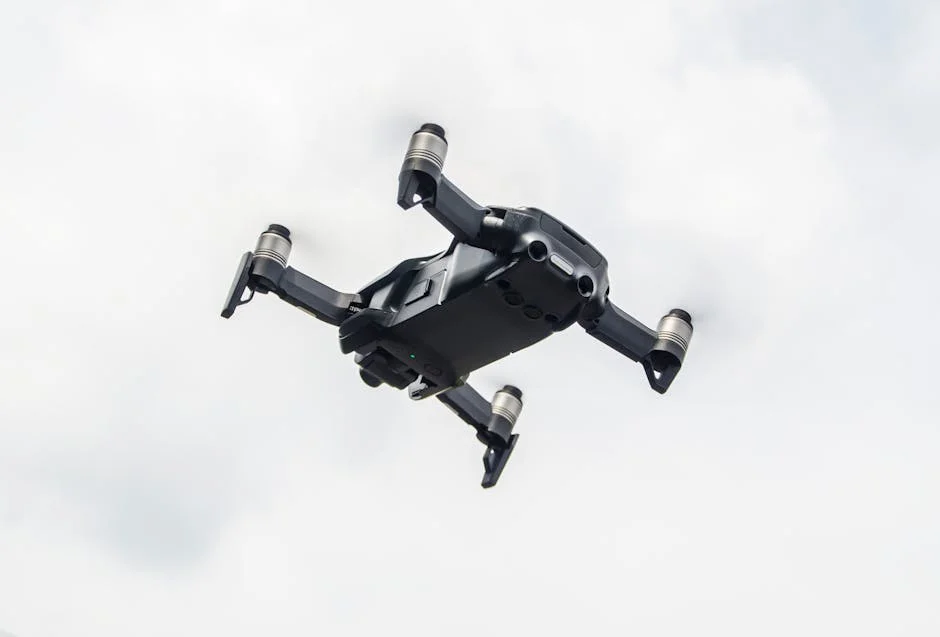
The logistics and delivery sector is another industry witnessing a transformative impact from drone technology. The ability to deliver essential goods and services quickly and efficiently, especially in remote areas, is a boon for many African regions.
Overcoming Infrastructural Challenges
Africa's infrastructural challenges often hinder the timely delivery of goods and services. Drones offer a solution by:
- Reducing delivery times
- Reaching inaccessible areas
- Lowering transportation costs
- Minimizing traffic congestion
For example, in Malawi, drones are being used to deliver medical supplies to remote health facilities, significantly reducing delivery times and improving healthcare outcomes.
Innovative Collaborations
In Tanzania, companies are partnering with local governments to establish drone corridors, facilitating the safe and efficient delivery of goods. Such collaborations demonstrate the potential of drones to drive economic growth and development in the region.
Boosting Conservation Efforts
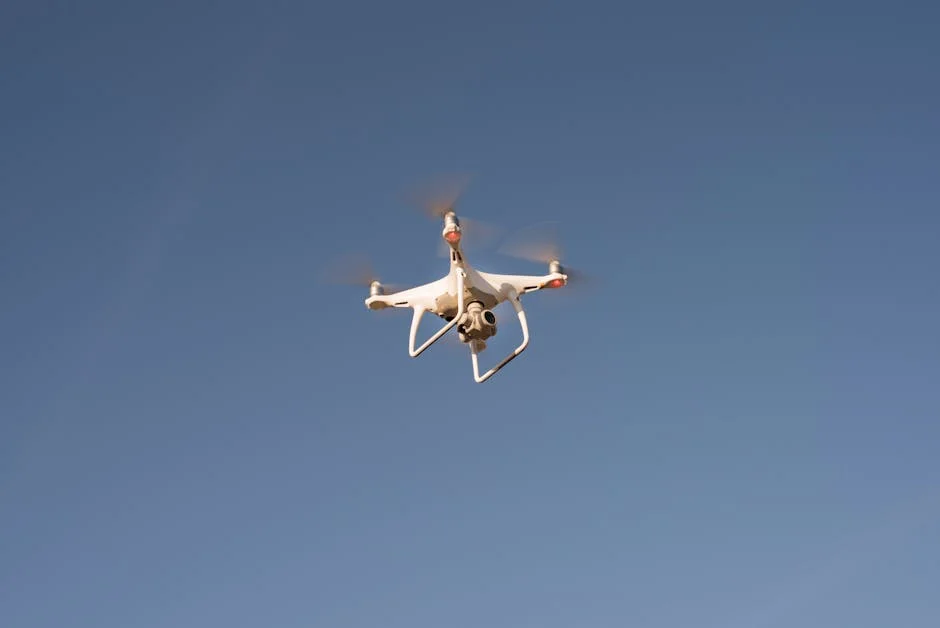
Conservationists across Africa are also leveraging drone technology to protect the continent's rich biodiversity. Drones provide a cost-effective and non-intrusive means of monitoring wildlife and combating poaching.
Monitoring Wildlife Populations
Drones equipped with high-resolution cameras and GPS systems are invaluable for tracking animal movements and monitoring population dynamics. This technology aids in:
- Preventing poaching activities
- Collecting data on endangered species
- Mapping habitats
- Assisting in wildlife rescue operations
In Kenya's Maasai Mara, drones have played a pivotal role in reducing rhino poaching by over 50% in the last three years.
Collaborative Conservation Initiatives
Countries like Uganda are collaborating with international organizations to deploy drones in national parks, promoting a sustainable approach to conservation that balances ecological preservation with community involvement.
The Booming Consumer Drone Market
The consumer drone market in Africa is booming, with hobbyists and professionals alike embracing this exciting technology. The availability of affordable drones has democratized access, allowing enthusiasts to explore new creative and recreational possibilities.
Photography and Videography
Drones have revolutionized the fields of photography and videography, offering unique aerial perspectives that were once the domain of helicopters and cranes. Key benefits include:
- Stunning aerial shots
- Cost-effective filming solutions
- Enhanced storytelling capabilities
- Increased creative freedom
In Nigeria, filmmakers are using drones to capture breathtaking footage of the country's diverse landscapes, contributing to the burgeoning Nollywood industry.
Recreational Use and Beyond
Beyond professional use, drones offer a thrilling recreational experience. Whether racing through obstacle courses or exploring remote terrains, drones provide endless entertainment possibilities. For those interested in diving deeper into the world of drones, ADrones offers expert reviews and buying guides that cater to both novices and seasoned pilots.
Challenges and Opportunities Ahead
While drone technology presents immense opportunities, it also poses several challenges that need to be addressed to ensure its sustainable growth and integration across Africa.
Regulatory Frameworks and Safety
Developing comprehensive regulatory frameworks is essential to balance innovation with public safety. Key areas of focus include:
- Establishing clear flight regulations
- Ensuring privacy and data protection
- Promoting safe drone operations
- Encouraging cross-border cooperation
Governments across Africa are actively working to formulate policies that foster innovation while safeguarding public interests. For those navigating the complex landscape of drone regulations, drone reviews and guides provide invaluable insights and resources.
Fostering Innovation and Skill Development
Investing in education and training programs is crucial to develop the skilled workforce needed to sustain the drone industry's growth. Initiatives aimed at:
- Building technical expertise
- Encouraging research and development
- Supporting entrepreneurial ventures
- Enhancing public awareness
These initiatives will ensure that Africa remains at the forefront of drone innovation, driving economic development and social progress.
As the drone industry continues to evolve, its impact on Africa's development is undeniable. From transforming agriculture to enhancing logistics and promoting conservation, drones are reshaping the continent's future. With the right policies and strategic investments, Africa can harness the full potential of drone technology, paving the way for a more connected and prosperous future. The journey ahead is promising, and with platforms like ADrones, both enthusiasts and professionals can stay informed and engaged with the latest advancements in this dynamic field.
Frequently Asked Questions
What is the latest news about transforming agriculture with aerial precision?
In recent years, the drone industry has soared to unprecedented heights, with the global market projected to reach a staggering $63.6 billion by 2025.
Why does this matter for technology-innovation?
From enhancing agricultural productivity to facilitating efficient logistics and delivery systems, drones are rapidly becoming indispensable tools in the quest for innovation and progress.
What are the key facts about transforming agriculture with aerial precision?
In countries like Kenya and Nigeria, drones are being employed to monitor crop health, assess soil conditions, and optimize irrigation practices.
Key benefits include: Stunning aerial shots Cost-effective filming solutions Enhanced storytelling capabilities Increased creative freedom In Nigeria, filmmakers are using drones to capture breathtaking footage of the country's diverse landscapes, contributing to the burgeoning Nollywood industry. For those interested in diving deeper into the world of drones, ADrones offers expert reviews and buying guides that cater to both novices and seasoned pilots.