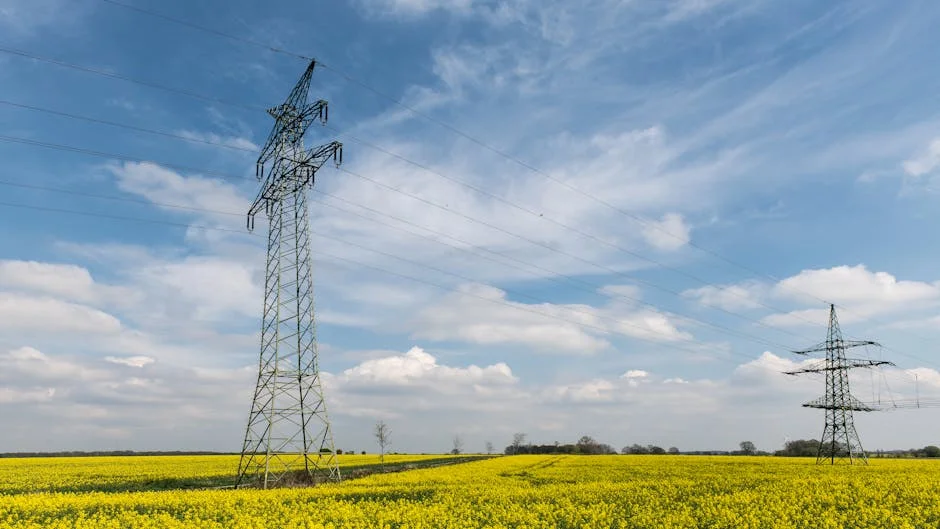
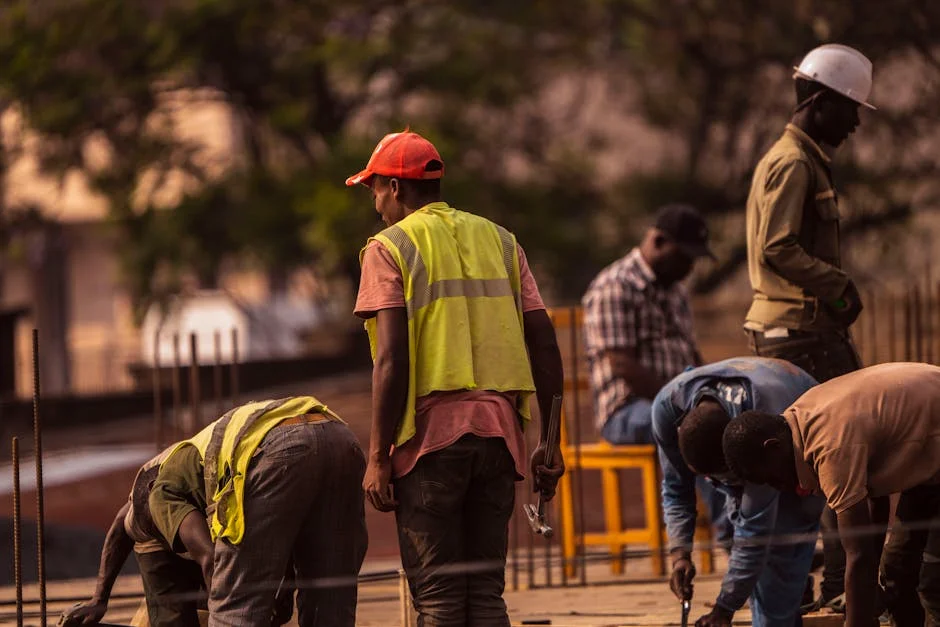
One of Africa's most strategically significant infrastructure projects broke ground in early 2026 as construction began on the Lobito Corridor railway extension, a one-billion-dollar greenfield investment that will connect Angola's Luacano to the copper-rich Chingola region of Zambia. The project, which has attracted backing from the United States, the European Union, and the African Development Bank as part of a broader effort to counter Chinese infrastructure influence on the continent, promises to compress a journey that currently takes 45 days by road into a seven-day rail passage. The extension builds on the colonial-era Benguela Railway that already runs from the Angolan coast to the Democratic Republic of Congo border, and when complete will create a seamless mineral and goods corridor stretching from the Atlantic Ocean to Zambia's Copperbelt.
The economic significance of the corridor extends far beyond the immediate Angola-Zambia route. Copper, cobalt, lithium, and manganese — minerals that are essential for electric vehicle batteries and clean energy technologies — currently move slowly and expensively through congested road networks in southern and central Africa. Faster, cheaper, and more reliable rail transport will reduce production costs for miners, increase export volumes, and allow Zambia and Angola to capture more of the value chain domestically. Analysts at the African Development Bank estimate the corridor could add approximately USD 4.5 billion annually to the combined GDP of the nations it connects, while creating tens of thousands of direct and indirect jobs across the project lifecycle.
The groundbreaking was accompanied by broader infrastructure news across the continent. Senegal's Ministry of Infrastructure announced it would receive XOF 472 billion — approximately USD 837 million — in external funding in 2026 for construction and maintenance across its transport networks, including a new phase of the Dakar-Diamniadio motorway and expanded port capacity at Dakar. In Angola, the government committed to completing the Luanda Convention Center and the Boa Vista-Kimakienda road network by year's end. Meanwhile, Infrastructure Africa 2026, scheduled for Cape Town in March, will focus on de-risking cross-border infrastructure investment and mobilising blended finance for corridor development.

For economists who track African infrastructure, the Lobito Corridor groundbreaking carries symbolic as well as practical weight. For decades, the continent's infrastructure deficit has been cited as the single greatest barrier to intra-African trade, which accounts for only 15 percent of the continent's total trade — compared to 60 percent within Europe and 55 percent within Asia. The African Continental Free Trade Area, which came into force in 2021, can only fulfil its trillion-dollar economic promise if goods can move freely and efficiently between African markets. "The Lobito Corridor is not just a railway," said a senior Angolan government official at the groundbreaking ceremony. "It is the spine of a new African economy."
See Also
- East Africa Launches Standard Gauge Railway Network
- Nairobi's Smart City Transformation Reshapes East Africa
Senegal's Ministry of Infrastructure announced it would receive XOF 472 billion — approximately USD 837 million — in external funding in 2026 for construction and maintenance across its transport networks, including a new phase of the Dakar-Diamniadio motorway and expanded port capacity at Dakar. In Angola, the government committed to completing the Luanda Convention Center and the Boa Vista-Kimakienda road network by year's end.
What is the latest news about lobito corridor railway breaks ground to transform angolazambia trade route?
Why does this matter for Infrastructure & Cities?
What are the key facts about lobito corridor railway breaks ground to transform angolazambia trade route?