Uganda brought home its first group of citizens from South Africa on Tuesday, a repatriation effort launched after xenophobic attacks targeting foreign nationals swept through parts of Johannesburg and Pretoria. The 158 Ugandans landed at Entebbe International Airport aboard a special flight that departed from Tambo International Airport in Johannesburg. Officials in Kampala described the operation as the initial phase of a broader evacuation plan for citizens who sought refuge in recent weeks.
First Flight Arrives at Entebbe
The aircraft touched down at Entebbe International Airport on Tuesday afternoon, carrying Ugandans who had fled their homes in South Africa's major urban centres. The Ministry of Foreign Affairs confirmed the repatriates included men, women, and children who had been staying in temporary shelters after violence erupted in late August. Ground crews in protective gear guided the plane to a remote stand, separating the arrival from regular passenger traffic as health officials conducted brief screenings.
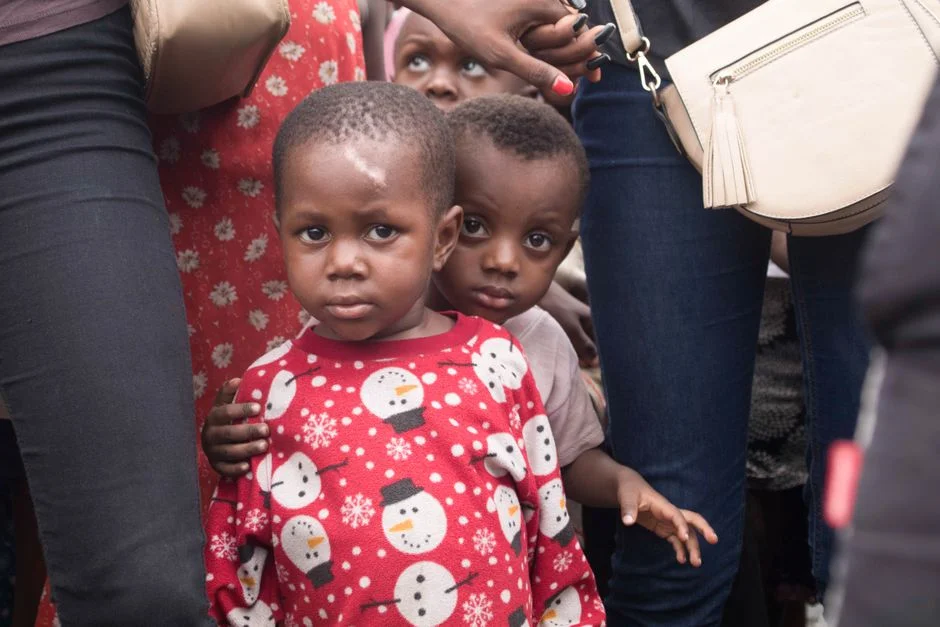
Social media footage from the airport showed families disembarking with small bags and children clutching stuffed toys. Some repatriates appeared exhausted, having spent days uncertain whether they would reach safety. A government spokesperson said Uganda's high commission in Pretoria coordinated closely with South African authorities to identify citizens most in need of immediate assistance.
Xenophobic Attacks Force Thousands to Flee
The violence that prompted the evacuation began in late August, when mobs attacked foreign-owned shops and homes in Johannesburg's Alexandra township and surrounding areas. South African media reported that at least 12 people were killed and hundreds more displaced as shops were looted and properties set ablaze. The attacks reignited debate about the government's failure to protect foreign nationals, including long-term residents who have built businesses and raised families in South Africa.
Ugandan nationals in South Africa have long complained of targeting during previous waves of xenophobic violence, dating back to 2008 and again in 2015. Many work as traders, mechanics, or in the hospitality sector, contributing to local economies while living under constant uncertainty. The latest attacks have left hundreds without income or shelter, with insurance claims unlikely to cover losses incurred during riots.
Government Coordinates Emergency Evacuation
The Ugandan government activated its crisis response protocol within days of the violence escalating, allocating funds for an emergency charter flight. The Ministry of Foreign Affairs said it prioritised vulnerable individuals, including those whose residences had been destroyed and those with urgent medical needs. A second flight is expected within the next two weeks, according to officials who spoke to reporters at Entebbe.
President Yoweri Museveni's office issued a statement calling for all Ugandans in South Africa to register with the high commission, citing the need for accurate data to plan future evacuations. The statement drew criticism from some citizens online, who argued the government should have done more to warn nationals about the risks before violence erupted. Others praised the swift response, noting that previous crises had left Ugandans stranded for weeks without assistance.
Repatriates Face Uncertain Future
For many who stepped off the plane at Entebbe, the relief of returning home was tempered by the loss of livelihoods built over years or decades. A man who gave his name only as Tumusiime told local media he had spent 14 years running a grocery store in Johannesburg before it was burned to the ground. He said he had no savings left and no clear plan for rebuilding his life in Uganda. The government has promised reintegration support, though officials have not specified what form this assistance will take.
Civil society groups have urged the government to provide immediate cash assistance and access to microfinance schemes for repatriates who want to restart businesses. The Ministry of Gender, Labour, and Social Development said it was assessing the needs of individual families and working with district officials to identify employment opportunities. Critics say previous reintegration programmes have been poorly funded and inconsistently implemented.
Regional Dimension of Xenophobia Persists
The exodus of Ugandan citizens highlights the ongoing vulnerability of migrants across Southern Africa, where labour migration patterns have existed for generations. South Africa hosts millions of migrants from Zimbabwe, Mozambique, Lesotho, and other nations, many drawn by job opportunities in mining, agriculture, and services. Xenophobic sentiment flares periodically, often targeting those perceived as taking jobs or business opportunities from South Africans.
The African Union and regional bodies have repeatedly called on South Africa to strengthen protections for foreign nationals, though enforcement remains inconsistent. Human rights organisations say police often fail to intervene during attacks and rarely prosecute those responsible. The repeated cycles of violence have strained diplomatic relations between South Africa and neighbouring states, complicating efforts to coordinate responses.
What Happens Next
Uganda's foreign ministry said it expects to evacuate a total of around 400 citizens who have registered for repatriation assistance. A second charter flight is scheduled for departure from Tambo International Airport within the next fortnight, pending confirmation of landing slots and security arrangements. Officials are also working with airlines to arrange commercial seat options for citizens who can afford their own travel.
Registrations remain open at Uganda's high commission in Pretoria, where staff have extended operating hours to process applications. The government has urged all citizens in South Africa to verify their registration status before attempting to travel. For those still deciding whether to stay or return, the coming weeks will test whether promises of safety and legal protection translate into real change on the ground. Watch for the second evacuation flight announcement, expected within 14 days, and for South Africa's government to release its own report on the violence and proposed reforms.
See Also
- ASUU Issues Four-Day Ultimatum Over Salary Structure Reforms
- Increasing Online Presence in Africa: A Call for Digital Safety Awareness
Critics say previous reintegration programmes have been poorly funded and inconsistently implemented. Regional Dimension of Xenophobia Persists The exodus of Ugandan citizens highlights the ongoing vulnerability of migrants across Southern Africa, where labour migration patterns have existed for generations.