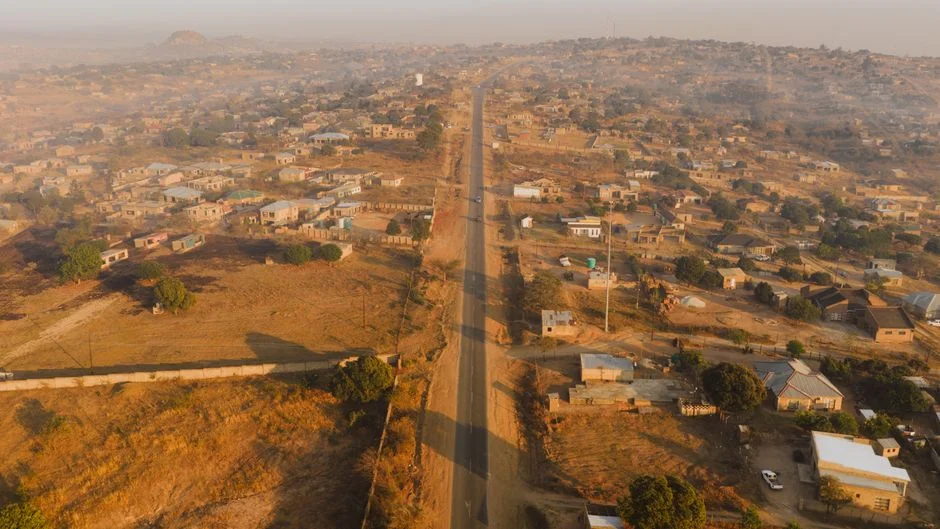
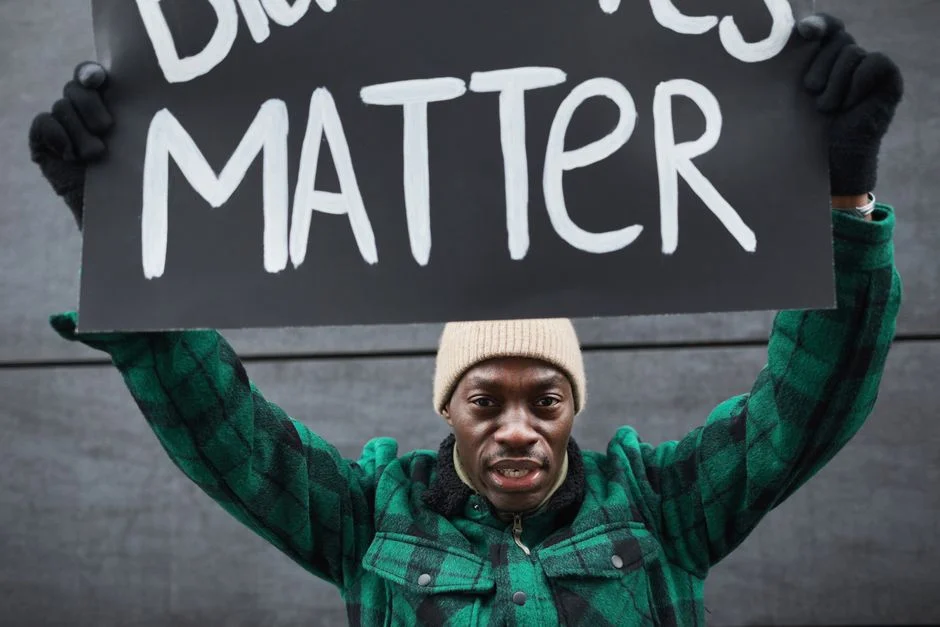
Immigration protests erupted across South Africa on Tuesday, drawing attention once again to the persistent tensions between local communities and foreign nationals in Africa's most industrialised economy. The demonstrations, which followed a familiar pattern of past unrest, saw protesters gather in several locations demanding stricter enforcement of immigration laws and the removal of undocumented migrants.
What happened on Tuesday
Demonstrators took to the streets in township areas outside major cities, blocking roads and in some cases clashing with police. Officials confirmed that the protests were organised by community groups frustrated with what they describe as the government's failure to control the flow of undocumented immigrants. The timing coincided with growing public anger over economic hardship, with unemployment rates in South Africa remaining above 30 percent for years.
Historical pattern of unrest
South Africa has a long history of immigration-related protests. The most severe outbreak occurred in 2008, when waves of violence against foreign nationals left 62 people dead and tens of thousands displaced. Similar but smaller outbreaks followed in 2015 and 2019, each time focusing anger on migrants from neighbouring countries, particularly Zimbabwe, Mozambique, and Somalia. The persistence of this pattern suggests that underlying economic pressures have never been adequately addressed.
Government response failures
Critics argue that successive administrations have failed to craft a coherent immigration policy that balances economic needs with public expectations. The Department of Home Affairs, which handles immigration matters, has been repeatedly criticised for weak enforcement and bureaucratic delays in processing asylum claims. Activists point out that genuine refugees often wait years for documentation while living in legal limbo.
Economic dimensions of the crisis
The protests reflect deep economic anxieties in a country where roughly one in three South Africans who want jobs cannot find them. Many locals blame immigrants for taking positions in the informal sector, though economists disagree on the precise impact of immigration on employment. Foreign-owned businesses often become targets during periods of unrest, with shops looted and traders driven out of informal settlements.
Impact on Nigerian migrants
For Nigerian nationals living in South Africa, Tuesday's protests added to a climate of uncertainty. Community leaders told local media that Nigerian migrants have been caught between fear of violence and the difficulty of returning home due to economic conditions in Nigeria. Many Nigerians in South Africa work in Information Technology, medicine, and small business, sectors where they contribute meaningfully to the local economy.
Regional migration patterns
South Africa has long served as a destination for migrants from across the Southern African Development Community. Economic opportunity, relative stability, and better infrastructure draw people from countries like Lesotho, Botswana, and Zambia, as well as from further flung nations. The sheer volume of migration has made the issue politically toxic, with political parties routinely using anti-immigrant rhetoric during election campaigns.
What happens next
The government faces mounting pressure to respond. Officials indicated they would increase police patrols in affected areas while promising a review of immigration enforcement procedures. Human rights organisations called for dialogue with affected communities rather than relying solely on security measures. The next few weeks will test whether the protests die down or escalate, particularly if economic conditions do not improve.
See Also
- South Africa Media Shift Signals New Era for African Journalism
- Ethiopia's Tsegay Handed Four-Month Ban After Failing Drug Test
Many locals blame immigrants for taking positions in the informal sector, though economists disagree on the precise impact of immigration on employment. Foreign-owned businesses often become targets during periods of unrest, with shops looted and traders driven out of informal settlements.Impact on Nigerian migrantsFor Nigerian nationals living in South Africa, Tuesday's protests added to a climate of uncertainty.
What is the latest news about south africa faces fresh immigration protests as tensions rise?
Why does this matter for environment-nature?
What are the key facts about south africa faces fresh immigration protests as tensions rise?