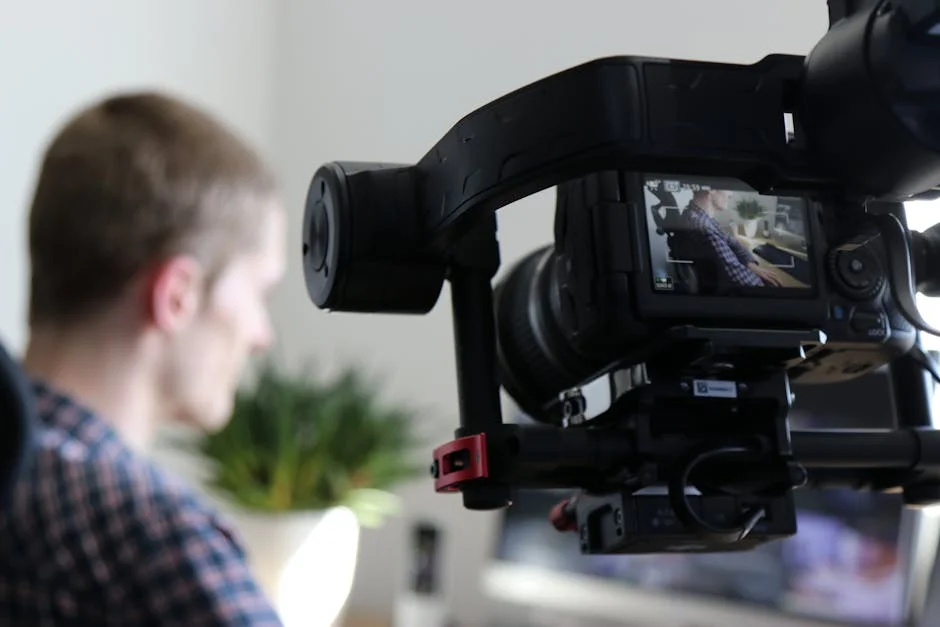
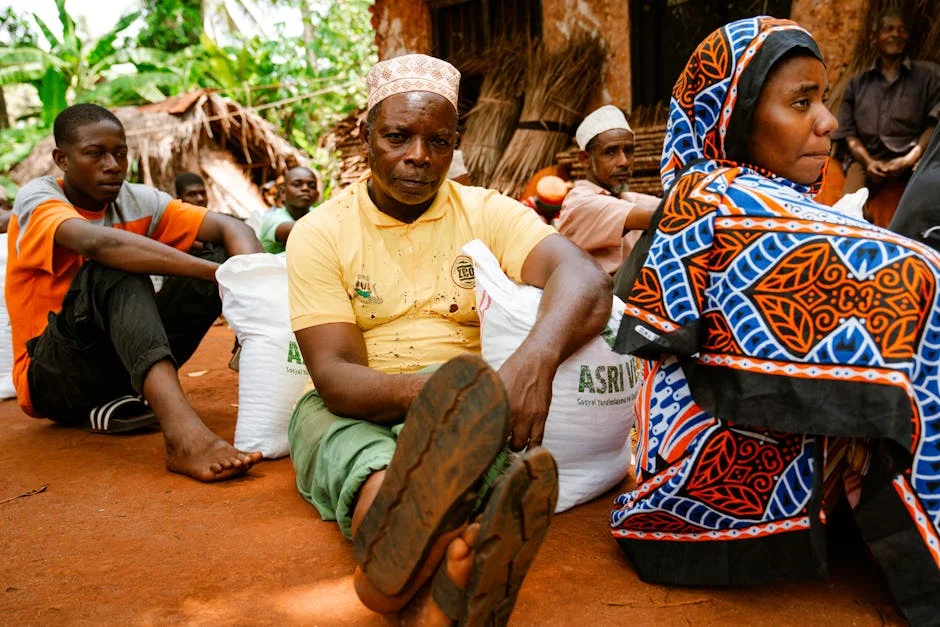
South Africa’s media landscape underwent a visible transformation on 15 May 2026, as Picture Editors at The Citizen deployed a new visual strategy that has rippled across the continent. This shift is not merely an aesthetic choice but a structural adjustment reflecting broader economic pressures facing African newsrooms. The move highlights the urgent need for digital adaptation in African journalism to sustain development-focused reporting. Readers in Nigeria and beyond are watching closely to understand how these changes affect the flow of information. This article examines the implications of this development for continental media standards and economic growth.
Visual Storytelling as Economic Indicator
The decision by Picture Editors at The Citizen to alter their visual output signals a deeper financial restructuring within South Africa’s print and digital sectors. Media houses are cutting costs by relying more heavily on digital-first photography, which reduces printing expenses and accelerates publication times. This trend mirrors similar moves in Kenya and Ghana, where newspapers are merging print and digital teams to survive inflation. The visual changes observed on 15 May 2026 are therefore a symptom of a wider continental challenge. African media must innovate to remain relevant in an era of shrinking advertising revenue.

For development goals, this shift has profound implications. Accurate and timely visual reporting is crucial for holding governments accountable for infrastructure projects and health initiatives. If photojournalism becomes secondary to text or video, the depth of investigative reporting may suffer. The Citizen’s approach suggests a pivot towards immediacy, which can enhance public engagement but risks losing nuance. Nigerian media outlets are studying this model to see if it can be replicated in Lagos and Abuja. The stakes are high, as media freedom is a cornerstone of democratic governance in Africa.
Impact on Nigerian Media Markets
The impact of The Citizen’s developments on Nigeria is indirect but significant. Nigerian media companies are already grappling with currency fluctuation and rising data costs. When a major South African player like The Citizen adjusts its visual strategy, it sets a benchmark for cost-efficiency. Nigerian editors are now evaluating whether to adopt similar photo-editing workflows to reduce overheads. This cross-border influence demonstrates the interconnectedness of African media markets.
However, there are risks. If Nigerian outlets rush to emulate The Citizen without adequate training for Picture Editors, the quality of visual journalism could decline. This would affect how Nigerians perceive local issues, from election transparency to healthcare delivery. The goal should be adaptation, not mere imitation. Media houses must invest in technology and talent to ensure that visual storytelling remains robust. The Citizen’s move is a case study in balancing cost and quality, a lesson that Nigerian media can learn from.
Challenges for Local Picture Editors
Local Picture Editors in Nigeria face unique challenges that differ from their South African counterparts. Infrastructure gaps, such as inconsistent internet connectivity in regions like the Niger Delta, complicate the rapid deployment of digital images. Additionally, the cost of high-end editing software remains high for many small newspapers. These factors mean that a one-size-fits-all approach to visual journalism may not work. Nigerian media must tailor their strategies to local realities.
Training programs for Picture Editors need to focus on both technical skills and contextual understanding. Editors must know how to select images that resonate with Nigerian audiences while maintaining journalistic integrity. This requires investment in human capital, which is often the first to be cut during financial crunches. The Citizen’s success depends on skilled personnel, a lesson that Nigerian media houses must heed. Without proper training, the visual narrative of African development will remain fragmented.
Digital Transformation Across the Continent
The digital transformation of African media is accelerating, driven by smartphone penetration and social media usage. Picture Editors are no longer just selecting photos; they are curating visual narratives that compete with video and infographics. This evolution is essential for reaching younger audiences who consume news primarily through screens. The Citizen’s strategy on 15 May 2026 reflects this broader shift towards digital-first content.
For African development goals, digital media offers an opportunity to disseminate information more widely and quickly. Health campaigns, educational initiatives, and economic policies can be communicated effectively through compelling visuals. However, the digital divide remains a challenge. Rural areas often have less access to high-speed internet, limiting the reach of digital journalism. Media houses must bridge this gap to ensure that visual storytelling benefits all citizens.
The rise of digital platforms also means that Picture Editors must adapt to algorithm-driven visibility. Images that perform well on social media may differ from those that work in print. This requires a nuanced understanding of audience behavior and platform dynamics. The Citizen’s experience suggests that flexibility is key to surviving in the digital age. Other African media outlets are taking note, recognizing that adaptability is a competitive advantage.
Economic Pressures on Newsrooms
Economic pressures are forcing newsrooms across Africa to rethink their operational models. Advertising revenue is declining, and subscription models are still finding their footing. In this environment, cost-cutting measures like optimizing photo editing processes become necessary. The Citizen’s decision to adjust its visual strategy is a direct response to these financial realities. This trend is likely to continue as media houses seek to stabilize their balance sheets.
For Nigeria, the economic implications are clear. Media companies must find ways to generate revenue while maintaining quality. This may involve diversifying income streams, such as through digital subscriptions, sponsored content, and events. Picture Editors play a role in this by creating visually engaging content that attracts advertisers. The quality of visuals can influence reader retention and, consequently, advertising rates.
However, cost-cutting should not come at the expense of journalistic integrity. Over-reliance on stock photos or automated editing tools can dilute the uniqueness of local stories. Media houses must strike a balance between efficiency and quality. The Citizen’s approach offers a template for this balance, but it requires careful implementation. Nigerian media must avoid the trap of sacrificing depth for speed.
Future of African Visual Journalism
The future of African visual journalism lies in innovation and collaboration. Picture Editors must embrace new technologies, such as artificial intelligence and virtual reality, to enhance storytelling. These tools can help create more immersive experiences for readers, making complex development issues more accessible. The Citizen’s experiment with visual strategy is a step in this direction, paving the way for others to follow.
Collaboration between media houses across Africa can also strengthen visual journalism. Sharing resources, such as photo archives and editing software, can reduce costs and improve quality. This pan-African approach can help smaller outlets compete with larger players. The Citizen’s move encourages this kind of regional cooperation, fostering a more robust media ecosystem.
Training and mentorship programs for Picture Editors will be crucial in the coming years. As technology evolves, editors must continuously update their skills to stay relevant. Universities and media institutions should offer specialized courses in visual journalism to prepare the next generation of editors. This investment in human capital will pay dividends in the long run, ensuring that African media remains dynamic and influential.
Accountability and Development Reporting
Visual journalism plays a vital role in holding governments and corporations accountable. Photos can reveal the true state of infrastructure projects, healthcare facilities, and educational institutions. When Picture Editors select powerful images, they draw attention to issues that might otherwise be overlooked. The Citizen’s focus on visual storytelling enhances this accountability function, making it more effective.
In Nigeria, visual reporting can help expose corruption and inefficiency in public spending. For example, photos of unfinished roads or poorly equipped hospitals can spark public outrage and demand for action. This form of citizen journalism, amplified by media houses, can drive policy changes. The impact of The Citizen’s strategy on Nigeria is thus indirect but powerful, encouraging similar practices locally.
However, visual journalism must be backed by rigorous fact-checking to maintain credibility. A powerful photo can tell a story, but it must be contextualized accurately. Picture Editors must work closely with reporters to ensure that images align with the text. This collaboration is essential for maintaining trust with the audience. The Citizen’s approach emphasizes this integration, setting a standard for other media houses.
What to Watch Next
As The Citizen continues to refine its visual strategy, other African media outlets will likely follow suit. Watch for announcements from major newspapers in Nigeria, Kenya, and Ghana regarding their digital and visual transformations. These moves will indicate whether the trend is becoming a continental standard. Pay attention to how these changes affect the quality and depth of reporting on key development issues.
Also monitor the investment in training for Picture Editors across the continent. If media houses prioritize skill development, it will signal a commitment to quality visual journalism. Conversely, if cost-cutting leads to a decline in training, the quality of visual storytelling may suffer. This will have long-term implications for how African development is perceived and understood.
Finally, observe the economic performance of media houses that adopt new visual strategies. If these changes lead to increased revenue and reader engagement, it will validate the approach. This will encourage more media outlets to invest in visual journalism, creating a positive feedback loop. The next six months will be critical in determining the success of this shift.
See Also
- South African Weather Service Confirms Light Rain in Western Cape This Thursday
- Paulos Sello Mahlangu Exposes R4.77bn Mystery Over Stolen Legacy