The World Cup match between Iran and Egypt became an unexpected focal point for LGBTQ+ visibility, with fans and activists using the high-profile fixture to draw attention to persecution faced by queer people in both nations. The encounter, held during the global tournament, quickly earned the label of a "Pride Match" across social media platforms, where supporters waved rainbow flags and shared messages of solidarity. The game itself attracted millions of viewers worldwide, amplifying discussions that might otherwise remain on the margins of international news.
How the Match Became a Symbol
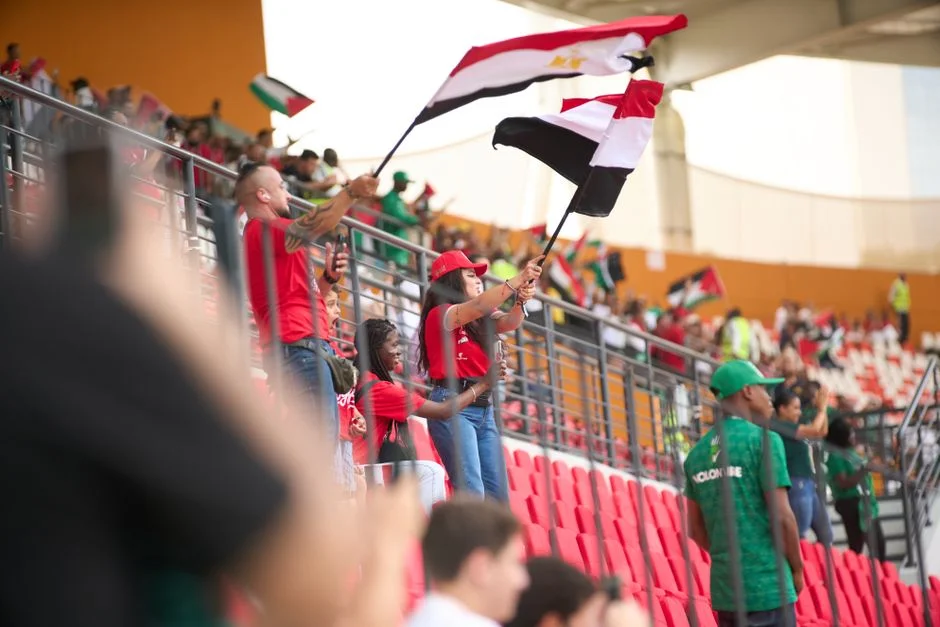
Football supporters and LGBTQ+ advocacy groups transformed the Iran-Egypt fixture into a statement event, with many attending wearing rainbow colours despite strict laws in both countries criminalising homosexuality. Photographs and videos from the stadium circulated widely online, generating millions of shares and comments. Activists chose the match deliberately because of the visibility it commanded and the stark contrast between World Cup ideals of unity and the realities faced by LGBTQ+ individuals in competing nations. Both Iran and Egypt maintain laws that can result in imprisonment or worse for same-sex relationships.
Legal Status in Both Nations
Iran imposes some of the harshest penalties in the world for LGBTQ+ individuals, with same-sex conduct carrying potential sentences including the death penalty under certain circumstances. Egypt does not have explicit criminal provisions for homosexuality, but authorities frequently invoke public morality laws to target queer people. Human rights organisations have documented arbitrary arrests, physical abuse, and denial of legal protections in both countries. The match gave advocates a platform to highlight these conditions before an audience that included officials from international football governing bodies.
Global Football and Human Rights
The incident reignited debates about the responsibility of international sporting events to address human rights issues in host nations and among participating countries. FIFA, football's global governing body, has faced increasing pressure to establish clearer policies on LGBTQ+ inclusion. Several players and coaches at the tournament publicly expressed support for LGBTQ+ rights during media appearances. The visibility achieved during the Iran-Egypt match exceeded what many advocates had anticipated, according to statements shared on social media platforms.
Activist Response and Online Reaction
Social media platforms lit up with the hashtag PrideMatch during and after the fixture, with users sharing personal stories and educational content about LGBTQ+ persecution. Some accounts documented attempts by stadium security to confiscate rainbow flags, prompting further outrage online. International LGBTQ+ organisations praised the courage of those who attended the match and participated in visible displays of solidarity. The online response demonstrated the growing reach of digital activism in amplifying causes that face suppression in physical spaces.
Persecution Reality in Iran
Human rights groups have long documented the severe persecution of LGBTQ+ people in Iran, where same-sex relationships remain illegal and carries extreme penalties. Iranian authorities operate under a strict interpretation of Islamic law that treats homosexuality as a criminal act. Many Iranian LGBTQ+ individuals have sought asylum in other countries after facing arrest, torture, or execution. The World Cup fixture brought renewed attention to these documented conditions, with advocacy organisations sharing detailed reports about specific cases.
Egypt's Climate of Fear
Egypt occupies a more complex legal position regarding LGBTQ+ rights, as explicit criminalisation of homosexuality does not appear in statute books. However, authorities routinely use charges related to debauchery, public morality, and terrorism to imprison queer individuals. The case of Ahmed Alaa, a Egyptian YouTuber who received a prison sentence in 2023, has become a rallying point for international activists. Police raids on private gatherings where LGBTQ+ individuals are present have increased in frequency, according to rights groups.
What Comes Next
The fallout from the Pride Match continues to develop, with several international football associations facing calls to review their policies on participating in tournaments held in countries with poor human rights records. The next major international fixture involving either Iran or Egypt will likely draw renewed scrutiny from advocacy groups. Campaigners have announced plans to expand their visibility efforts during upcoming qualifiers and tournaments. Football's global governing bodies are expected to face shareholder resolutions demanding stronger positions on LGBTQ+ inclusion at future events.
Broader Implications for Sport and Rights
The Iran-Egypt match exposed the tensions between international sporting events and human rights advocacy. Major tournaments bring together nations with vastly different records on civil liberties, creating moments of unintended visibility for marginalised groups. The Pride Match demonstrated how digital tools allow activists to coordinate globally and amplify messages despite physical restrictions. Sports organisations increasingly find themselves at the centre of debates they once preferred to avoid.
Football's governing bodies are scheduled to discuss inclusion policies at their next annual congress, where member nations will vote on proposals related to LGBTQ+ protections. The outcome of those discussions could reshape how international competitions address human rights concerns going forward. Activists are planning coordinated actions during upcoming qualification matches for the next World Cup. The conversation sparked at the Iran-Egypt fixture shows no signs of fading, with advocates promising to keep pressure on international sporting institutions.
See Also
- Louvre Appoints New Director Amid $102 Million Crown Jewels Heist
- Uncovering Threats: How an Undercover Operation Illuminates Global Security
What is the latest news about iranegypt world cup clash becomes pride match sparking global conversation?
Why does this matter for politics-governance?
What are the key facts about iranegypt world cup clash becomes pride match sparking global conversation?