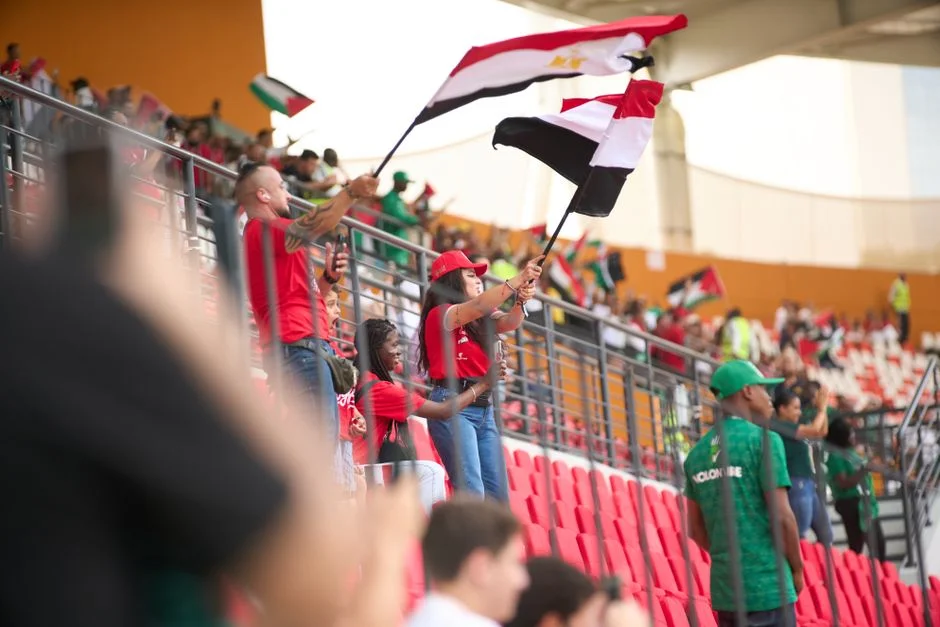
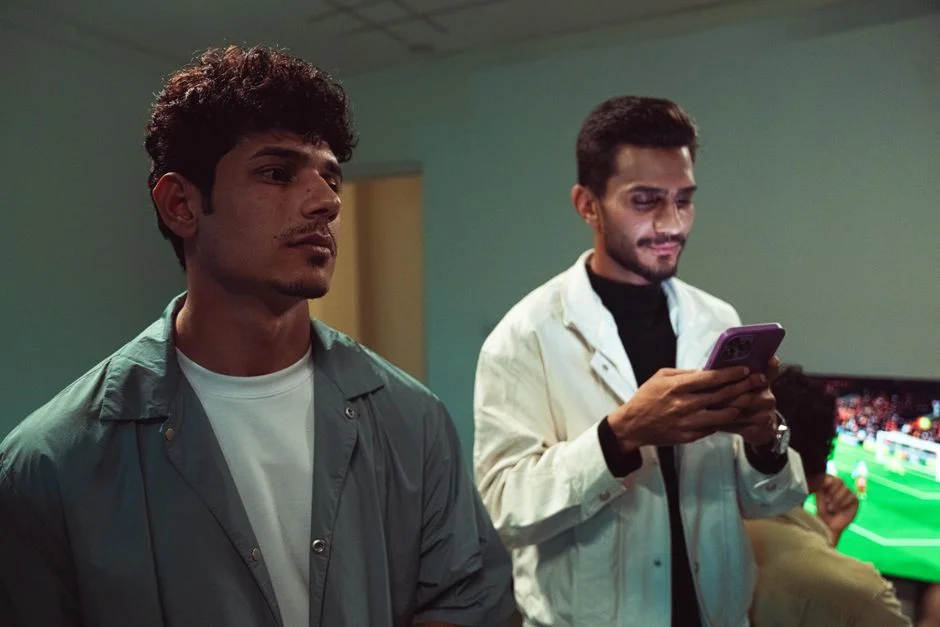
Egyptians gathered across Cairo, Alexandria, and other cities on Tuesday to watch their national team face Iran — known as Team Melli — in a World Cup fixture that stirred a wide range of emotions, from celebration to outright fury. The match itself drew millions to screens, but the reactions diverged sharply along political and social lines, with some fans cheering every goal while others used the moment to stage protests against the government. The divide exposed deep fault lines in Egyptian society, where sport and politics rarely stay separate for long.
A Nation Divided at Kickoff
For many Egyptians, the match against Team Melli offered a rare chance to set aside daily frustrations and rally behind the national team. Cafes in Downtown Cairo filled hours before kickoff, with fans wearing red and white jerseys and painting their faces in team colours. A sense of anticipation swept through neighborhoods that have seen little to celebrate in recent years. The atmosphere inside these venues was electric, with strangers hugging after near-misses and collective groans echoing after close calls.
Yet the mood soured quickly for a significant portion of viewers. Online, footage circulated showing protesters using the match as cover to gather in public spaces, chanting slogans against President Abdel Fattah el-Sisi. Security forces responded in several locations, firing tear gas to disperse crowds. At least three people were detained in Alexandria according to local rights groups monitoring the protests. The authorities have not confirmed these numbers publicly.
Team Melli's Performance Under the Spotlight
Team Melli entered the fixture with a reputation built on disciplined defending and quick counter-attacks, a style that has carried Iran through qualifying campaigns in previous tournaments. The Iranian squad, assembled under national team coach Amir Ghalenoei, approached the match with tactical caution, knowing Egypt's attacking threats would test their backline. Players such as Mehdi Taremi and Sardar Azmoun drew particular attention from scouts and fans alike, with both forwards expected to influence the outcome significantly.
The Egyptian side, under the guidance of its own technical staff, sought to capitalise on set pieces and aerial duels — a strategy that has served them well in regional competitions. The Pharaohs, as Egypt's team is nicknamed, have historically dominated African qualifying rounds, making their World Cup appearances relatively infrequent. That scarcity amplified the stakes for Egyptian fans watching from afar, each match representing a rare moment on the global stage.
Protest Dynamics During High-Profile Matches
Security experts have long noted that Egyptian authorities face a recurring challenge during major sporting events: the tendency for political demonstrations to piggyback on public gatherings. Tuesday's match provided a window that organisers of anti-government protests have exploited before. Social media posts circulating in the hours leading up to kickoff called on demonstrators to use the crowds as cover. Security services reportedly increased their presence near major fan zones in response to intelligence about planned disruptions.
The overlap of sport and dissent is not unique to Egypt, but the country's recent history amplifies its significance. Since 2013, public assembly rights have been severely restricted, making any large gathering a potential flashpoint. Photos and videos posted to X, formerly Twitter, showed protesters in Cairo's Tahrir Square area waving banners before security moved in. The Interior Ministry released a statement later confirming that small groups had attempted to cause trouble but were swiftly contained.
Reactions from Egyptian Civil Society
Human rights organisations monitoring the situation condemned what they called excessive force against peaceful spectators. The Egyptian Commission for Rights and Freedoms documented at least two cases of fans being arrested simply for being present in areas where protests occurred. The group issued a statement noting that watching a football match should not be treated as a security threat. Rights groups argue that the broader crackdown on assembly has created an environment where even celebrating sport carries risk.
Not all reactions were political. Many Egyptians expressed pure joy at the opportunity to watch their team compete at the highest level. In working-class neighborhoods like Imbaba and Shubra, families crowded around television screens, children perched on furniture for a better view, and neighbours shared tea and snacks as the match unfolded. For these viewers, the game represented escapism, a few hours where the economy, inflation, and political tensions faded into the background. That contrast — between those who found relief in football and those who saw opportunity in crowds — defined the evening.
What Comes Next
Egypt will face more Group Stage matches in the coming days, with supporters planning to gather again despite the tensions. Security forces are expected to maintain heightened presence around known fan zones in Cairo, Alexandria, and Port Said. Rights monitors say they will continue tracking arrests and documenting any alleged abuses. For now, Egyptians are left navigating the peculiar experience of cheering for their team while grappling with a political environment that turns even a football match into a contested event. The next fixture date has not yet been officially announced by FIFA, but fans say they will be watching closely — both the scoreboard and the streets.
See Also
- Montenegro Residents Endorse Luís Neves as Interior Minister — What It Means for Governance
- Madras High Court Exposes Flaws in Pocso Application — What This Means for Justice