Scotland's national football team faces a pivotal moment when they line up against Morocco, presenting an opportunity to overcome a previous disappointment and carve out a place in competitive history. The match carries significant weight for a squad determined to prove their recent improvements are more than temporary flashes of form.
Previous Encounter Still Lingers
The last meeting between these two nations left Scottish fans with bitter memories. A comprehensive defeat exposed tactical vulnerabilities and raised questions about the team's ability to compete at the highest international level. Players who featured in that match have spoken openly about the psychological impact of that result, describing it as a turning point in their approach to subsequent competitions.

The Scottish FA has structured the intervening period around building a more resilient squad, one capable of responding when pressure mounts. Head coach Steve Clarke implemented changes to training methods, focusing on defensive organisation and set-piece efficiency, areas that proved costly in the previous fixture.
Squad Evolution Since Last Meeting
Several players who struggled during the previous encounter have since established themselves at elite club level, returning to international duty with improved confidence and tactical understanding. Manchester United's McTominay has become a cornerstone of the Scottish midfield, providing both defensive cover and goalscoring threat from deep positions. Celtic's McGregor continues to orchestrate play with the vision that made him one of the Premiership's most complete midfielders.
The emergence of younger talents has added dynamism to a previously predictable attacking unit. Players like Doak have injected pace and directness that the team lacked in earlier encounters, giving Clarke additional tactical options when building attacks.
Morocco's Rise on the Global Stage
Morocco arrives for this fixture as one of Africa's strongest footballing nations, fresh from their remarkable run at the 2022 World Cup where they reached the semi-finals. Coach Walid Regragui has built a squad blending European-based professionals with domestic talent, creating a team that combines tactical discipline with technical excellence.
The Atlas Lions have maintained their competitive edge in subsequent qualifying campaigns, demonstrating the consistency that transformed them from African contenders to global semi-finalists. Their disciplined defensive structure, coupled with rapid counter-attacking transitions, has proven effective against diverse opposition styles.
Key Moroccan Players to Watch
Chelsea's Enzo Fernandez continues to pull strings from midfield, his vision and passing range making him the fulcrum of Moroccan attacking movements. Hakimi's explosive runs from right-back provide width and creativity that many teams struggle to contain. Up front, the clinical finishing of their forward line has converted numerous chances against quality opponents.
Where the Match Will Be Decided
Tactical analysts point to several areas where this fixture could be settled. Scotland's ability to maintain composure under Morocco's high press will prove crucial—if the Scottish defence can play out cleanly from the back, second-ball wins and transition opportunities will follow. Clarke's selection decisions regarding defensive positioning will determine whether Scotland can prevent the space Hakimi and his counterparts exploit so effectively.
Set pieces represent another potential battleground. Morocco's height advantage at both penalty area ends means Scotland must be meticulous in marking assignments during corners and free kicks. Conversely, Clarke's focus on trainingground routines for dead-ball situations could provide the breakthrough if the match remains tight.
Fans and Atmosphere
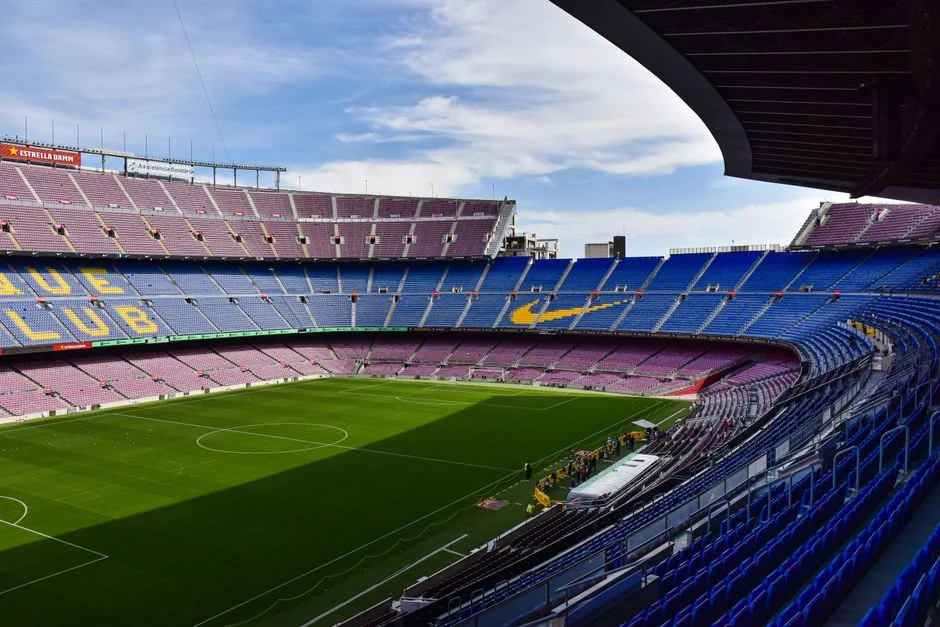
Hampden Park is expected to host a capacity crowd, with Scottish supporters determined to create an intimidating atmosphere befitting a match of this magnitude. The Tartan Army has organised coordinated displays that will transform the stadium into a sea of navy blue, with pre-match gatherings in Glasgow city centre building anticipation throughout the afternoon.
Ticket demand far exceeded supply within hours of the fixture being announced, with secondary market prices reflecting the significance supporters attach to this encounter. Families who endured the previous defeat have purchased fresh tickets, determined to witness potential redemption firsthand.
What Scotland Needs to Achieve
A positive result carries implications beyond immediate pride. European qualification pathways increasingly reward consistent performers in high-stakes fixtures, meaning three points would significantly improve Scotland's standing in competitive seeding calculations for future tournaments. The psychological boost of defeating a side that reached a World Cup semi-final would also provide foundations for more ambitious targets in upcoming campaigns.
Clarke has been consistent in his messaging—these matches against elite opposition serve as benchmarks for measuring the team's progress. Whether Scotland can compete consistently against the world's best remains the central question, and a strong performance against Morocco would provide compelling evidence that the gap is closing.
What Comes Next
The fixture marks the beginning of a crucial international window for Scotland, with subsequent matches against other highly-ranked nations following within the same break. Clarke will rotate his squad accordingly, managing player workloads while maintaining competitive intensity across all three fixtures. The Morocco encounter serves as the sternest test of this window, providing the clearest indication of whether Scotland's trajectory continues upward.
For Moroccan football, this match represents an opportunity to consolidate their position among global contenders while blooding younger players for future campaigns. Regragui has spoken about the importance of maintaining winning culture while gradually integrating new talent, a balance that has served African champions well in recent years.
Fans should watch for the opening twenty minutes—when both teams probe for weaknesses and attempt to establish territorial dominance. History suggests the first half-hour frequently determines outcomes in meetings between these nations, with neither side comfortable chasing a deficit against well-organised opponents.
See Also
- Dangote Exposes Forces Undermining Africa’s Largest Petroleum Refinery
- DR Congo Ebola Risk Surges — Nigeria Faces New Health Threat
The Tartan Army has organised coordinated displays that will transform the stadium into a sea of navy blue, with pre-match gatherings in Glasgow city centre building anticipation throughout the afternoon.Ticket demand far exceeded supply within hours of the fixture being announced, with secondary market prices reflecting the significance supporters attach to this encounter. European qualification pathways increasingly reward consistent performers in high-stakes fixtures, meaning three points would significantly improve Scotland's standing in competitive seeding calculations for future tournaments.
What is the latest news about scotland targets historic redemption against morocco after painful defeat?
Why does this matter for health-medicine?
What are the key facts about scotland targets historic redemption against morocco after painful defeat?