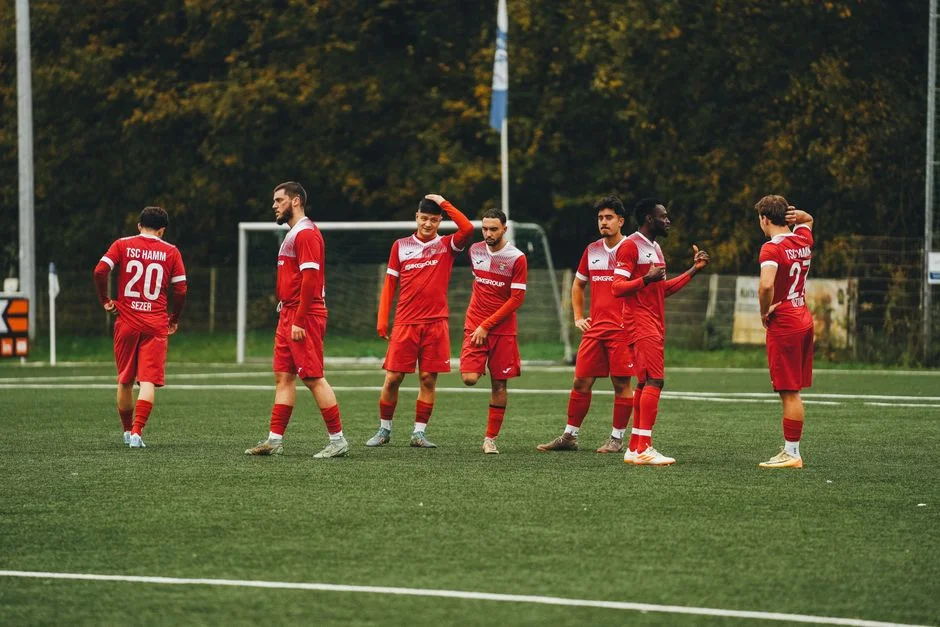
Alybaba Kamba swapped the Allianz Arena for the Australian outback, leaving behind one of Europe's biggest clubs to chase a different kind of glory. The Tanzanian-born midfielder, who arrived in Australia as a refugee years ago, now stands at the centre of the country's 2026 World Cup ambitions.
A Journey Through Three Continents
Kamba grew up in Tanzania before his family fled conflict and settled in Turkey. It was there, at age 14, that a scout spotted him playing in a local youth tournament. Bayern Munich signed him shortly after. He spent four years in Munich's youth system before deciding his future lay elsewhere.

"I wanted to play for a country that felt like home," Kamba told Australian national team media. "Germany gave me football, but Australia gave me a future."
He relocated to Sydney in 2022, joined Western Sydney Wanderers, and began the lengthy process of representing his adopted nation. FIFA approved his switch last March.
Australia's New Midfield Engine
Since making his debut for the Socceroos in June, Kamba has started all four of Australia's World Cup qualifiers. Head coach Tony Popovic called him "exactly what this team needed" after his performance against Japan last month.
Australia currently sits third in their qualifying group, behind Japan and Saudi Arabia but ahead of Bahrain on goal difference. The top two earn automatic qualification; the third-placed team enters a play-off.
The Numbers Behind the Dream
Kamba has contributed two goals and three assists across his four qualifiers. His pass completion rate sits at 87 percent, the highest of any Australian midfielder in the campaign. Against Saudi Arabia in October, he completed 94 of 101 passes—a performance that sent Australian fans streaming to his social media accounts.
What This Means for Australian Football
Australia has reached every World Cup since 2006, but qualification this cycle looked shaky before Kamba arrived. The team had won just one of their opening five qualifiers. Since his debut, that record stands at three wins from four matches.
The Socceroos face a crucial away fixture against Bahrain in January. A victory would put them within touching distance of automatic qualification. Three points would give them a five-point buffer over fifth-placed Oman with two matches remaining.
A Story That Transcends Football
Kamba's journey resonates far beyond the pitch. Australia has accepted more than 850,000 refugees since World War Two, according to government data. Football Australia has increasingly looked to the refugee community as a talent pipeline, with dedicated programs identifying players who might otherwise slip through the cracks.
"Football gave me everything," Kamba said after a recent training session in Parramatta. "Now I want to give something back."
Looking Ahead to March
The final round of Asian qualifying kicks off in March. Australia hosts Indonesia before travelling to face Saudi Arabia. Kamba is expected to start both matches. Should the Socceroos secure automatic qualification, it would mark their sixth consecutive World Cup appearance.
For Kamba, though, the real victory already happened. "I left Tanzania as a child with nothing," he said. "Now I'm playing for a country that believed in me. That's the only story that matters."
See Also
- Nigeria's Classroom Mental Health Crisis Exposes Development Gaps
- Prince William Praises £20m Milestone for Bowelbabe Fund
What is the latest news about tanzanian refugee who quit bayern munich fuels australias world cup dream?
Why does this matter for health-medicine?
What are the key facts about tanzanian refugee who quit bayern munich fuels australias world cup dream?