Health authorities across East Africa are racing to contain a new Ebola outbreak, while the United States has already begun evacuating American citizens from the affected region. The divergent responses are drawing sharp criticism from public health observers who point to a familiar pattern: when Ebola threatens Americans, the world moves fast. When it devastates African communities, the response drags.
Outbreak Confirmed in East Africa
Uganda's Ministry of Health confirmed the outbreak in mid-January, reporting cases in at least three districts. Local hospitals in Kampala are treating patients under isolation protocols, while neighbouring health ministries have activated emergency response teams. The strain involved is the Sudan variant, which lacks a licensed vaccine unlike the more common Zaire strain. Kenya's Ministry of Health issued an alert at border crossings and airports, screening travellers arriving from affected regions. Health workers in Nairobi's main referral hospitals have been briefed on identification and containment procedures.
The US Response: Fast, Funded, Focused
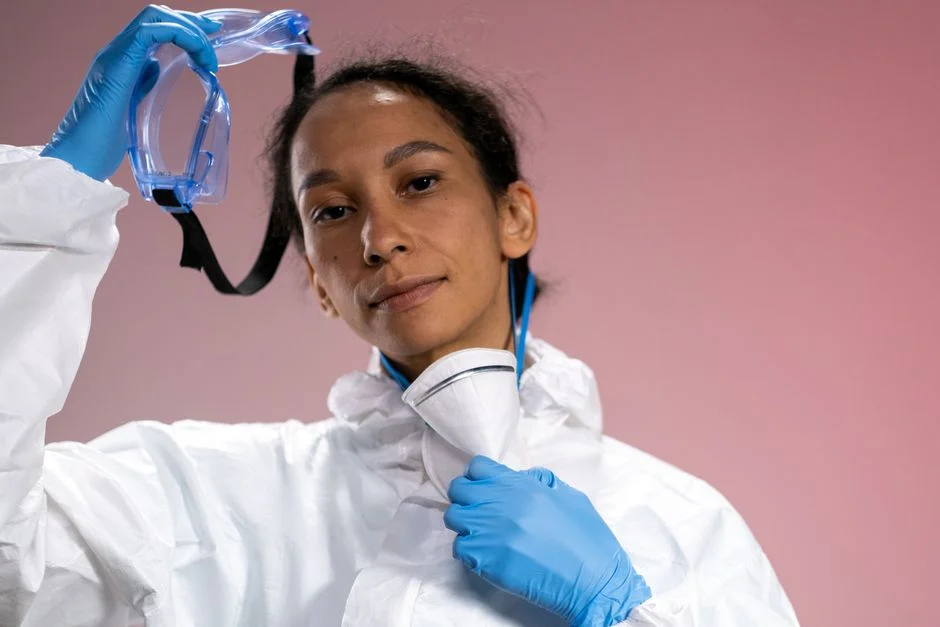
Within days of the first confirmed case involving an American, the US State Department coordinated an evacuation flight for US citizens in the region. The Centres for Disease Control and Prevention deployed a team to support monitoring efforts. American pharmaceutical companies announced plans to fast-track an experimental monoclonal antibody treatment for compassionate use among US nationals. The total committed funding for the American response reportedly reached $47 million in the first two weeks, according to a Department of Health and Human Services statement.
Experimental drugs: available to some, not others
The contrast with treatment access for African patients is stark. Health facilities in Uganda are operating with limited stockpiles of remdesivir and supportive care only. The World Health Organization has repeatedly called for equitable distribution of experimental therapeutics during outbreaks, yet the mechanisms to deliver on that pledge remain weak. Bhekisisa, the South African health journalism centre that has covered Ebola responses since the 2014 West Africa crisis, documented how the same pharmaceutical companies that rushed treatments to American evacuees had no clear pathway for supplying the same drugs to Ugandan hospitals treating local patients.
History Repeating Itself
This is not the first time global health infrastructure has responded along geopolitical lines. During the 2014 Ebola catastrophe that killed more than 11,000 people across Guinea, Liberia, and Sierra Leone, experimental treatments were offered to Western aid workers while thousands of Africans received only palliative care. That disparity sparked outrage and ultimately led WHO to adopt a framework for faster deployment of investigational therapies in future outbreaks. The framework exists on paper. In practice, the speed of response still depends heavily on who is falling ill.
Kenya's Precarious Position
Kenya sits directly in the path of potential spread. The country shares no direct border with Uganda, but major transport corridors and high passenger volumes through Nairobi's Jomo Kenyatta International Airport create real vulnerability. The Kenyan government has allocated approximately $12 million for emergency preparedness activities, including laboratory capacity upgrades at the Kenya Medical Research Institute in Nairobi. Health officials in Mombasa and Kisumu have also reinforced screening protocols at regional airports. A spokesperson for Kenya's Ministry of Health told reporters that the country was coordinating closely with Uganda's authorities and the African Union's health desk.
The Economics of Panic and Neglect
Donor funding for Ebola response has historically followed a predictable curve: a spike when Western nationals are at risk, followed by neglect once the immediate threat to wealthy nations subsides. This pattern leaves African health systems perpetually under-resourced for the next outbreak. Uganda's health ministry receives roughly $340 million annually in total health expenditure, a figure that sounds large until divided across a population of 45 million people facing multiple disease burdens including malaria, tuberculosis, and rising non-communicable disease cases.
What Bhekisisa Found
In a detailed investigation published this week, Bhekisisa reporters spoke with clinicians in Kampala and local public health officials who described frustration with the disparity. One doctor at a regional referral hospital, whose name has been withheld for security reasons, described watching news coverage of American evacuees receiving experimental infusions while her own patients waited for basic supportive care. The centre's editorial team noted that the gap between global health rhetoric and on-the-ground reality remains as wide as it was a decade ago.
What Comes Next
WHO's emergency committee is expected to convene within the next ten days to assess whether the outbreak constitutes a public health emergency of international concern. That designation carries weight: it triggers funding mechanisms and travel advisory updates that reshape the global response. For African health systems watching the process, the hope is that this time, the response framework translates into actual therapeutic access for patients regardless of nationality. The alternative—another outbreak managed by speed and resources for some, and prayers and luck for others—is one the continent can no longer afford to accept as inevitable.
See Also
- DRC Declares Ebola Emergency — WHO Warns Neighbours to Prepare
- Singapore Bus Driver Helps Police Probe After Pasir Ris Pile-Up
What is the latest news about ebola returns but only americans get experimental treatments?
Why does this matter for health-medicine?
What are the key facts about ebola returns but only americans get experimental treatments?