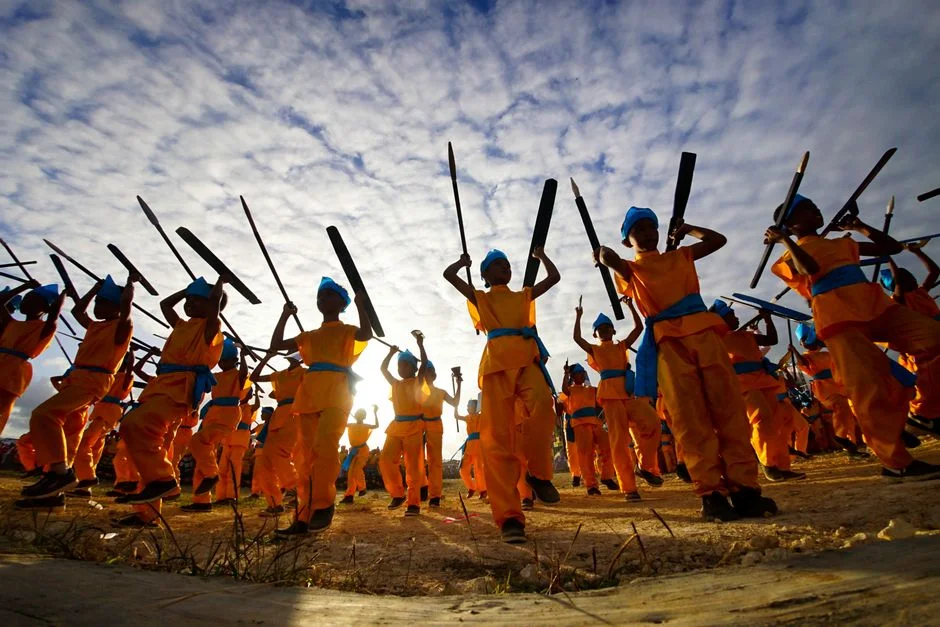
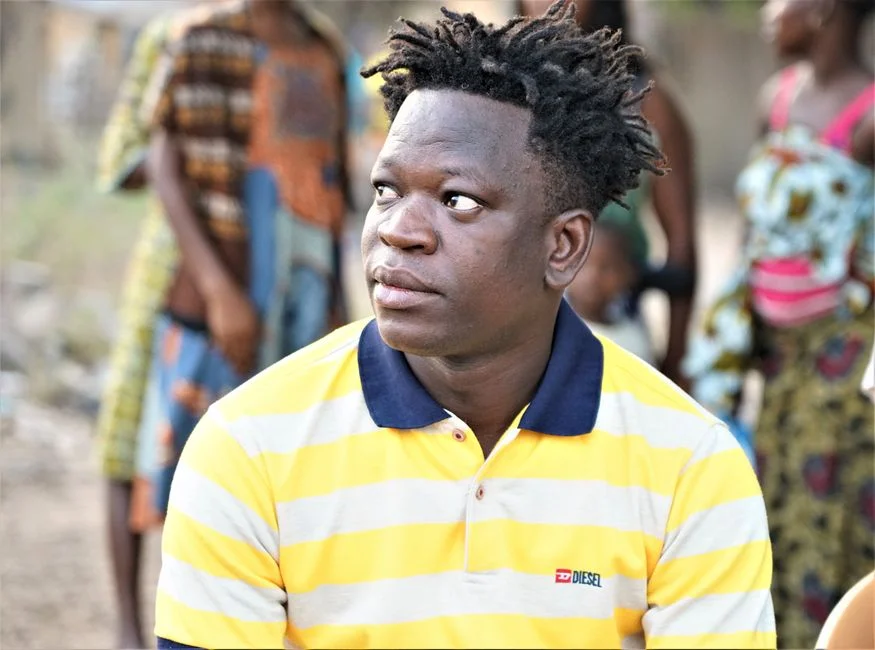
Every June 16, South Africa pauses to remember the students who flooded the streets of Soweto in 1976, protesting against a government decree forcing Black schools to teach in Afrikaans. The demonstration ended in bloodshed. Today, Youth Day asks a harder question: what does that sacrifice mean for a generation that grew up after apartheid?
The 1976 Soweto Uprising
On that sweltering Wednesday morning, an estimated 20,000 students from schools across Soweto marched in protest. The trigger was the apartheid government's Section 10 policy, which mandated Afrikaans as the primary language of instruction in Black schools. Students viewed it as an attempt to erase their languages, their cultures, their identities. Police opened fire. The exact death toll remains disputed, but the Human Rights Commission records at least 176 confirmed fatalities, with many more unconfirmed. Among the first to fall was 12-year-old Hector Petersen, whose photograph became the enduring symbol of the uprising.
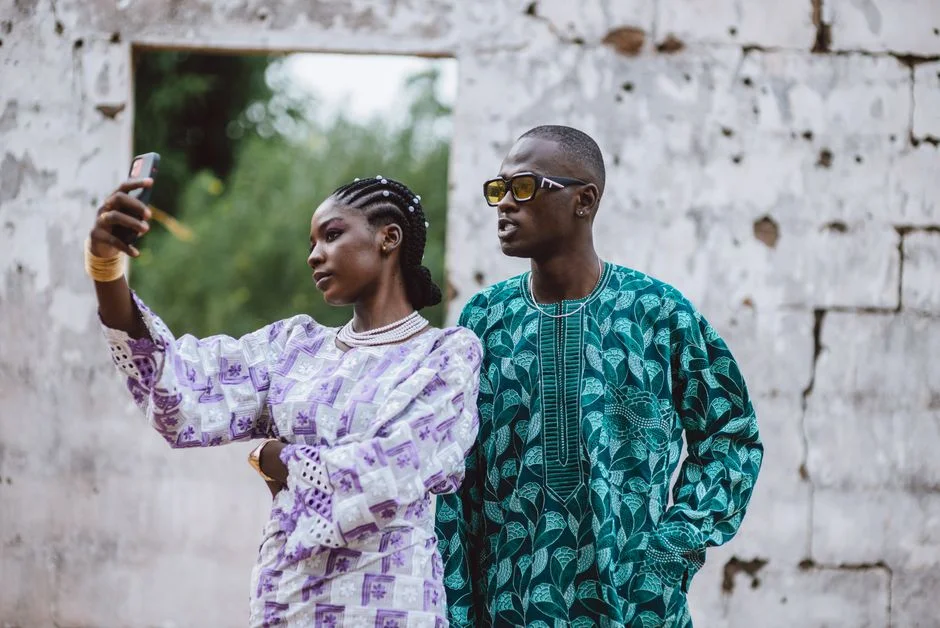
The uprising quickly spread beyond Soweto. Students in Cape Town, Durban, and the Vaal Triangle joined the protests. The government declared a state of emergency weeks later. The 1976 revolt planted seeds that would flower into the broader anti-apartheid movement of the 1980s.
Youth Day Becomes a National Commemoration
After 1994, the new democratic government designated June 16 as a public holiday. The apartheid regime's victims received formal recognition. Schools organised memorial events. The Hector Petersen Memorial became a pilgrimage site. For the first decade, the commemoration felt urgent — a living link to those who had died so that South Africa could be free.
But as the years pass, that urgency has shifted. The youngest South Africans today were born after 1994. They grew up in a country with voting rights, with Black-owned businesses, with a Black middle class that barely existed in 1976. They also grew up in a country where unemployment exceeds 30 percent, where load-shedding cuts power for hours each day, and where the promise of 1994 feels unfinished.
The Disconnect Between Memory and Reality
For many young South Africans, the disconnect is stark. A 2023 survey by the Human Sciences Research Council found that only 47 percent of people aged 18 to 35 could correctly identify the primary cause of the 1976 uprising. The number was lower among those in rural areas. Memory, it seems, requires context — and context requires education, opportunity, and relevance.
"When I was in school, we were told to remember the heroes of 1976," said one 24-year-old from Tembisa, speaking to local media. "But no one told us why those heroes would be proud of a country where I cannot find a job." Her frustration echoes across townships where Youth Day events draw smaller crowds each year.
Economic Frustration and the Youth Question
The unemployment rate among South Africans aged 15 to 24 stands at roughly 60 percent — one of the highest in the world. This figure shapes how young people view the sacrifices of 1976. If the uprising was meant to deliver opportunity, the delivery has been uneven. The education system that students died protesting remains under-resourced. Classes in many public schools still exceed 40 students per teacher.
Political parties have taken notice. The ruling African National Congress has launched several youth employment initiatives over the past decade, but critics argue these programmes reach only a fraction of those who need them. Opposition parties have made inroads among young voters by directly questioning whether the ANC has honoured the 1976 legacy.
How the Commemoration Is Evolving
Despite the fatigue, Youth Day is not losing its meaning entirely. It is reshaping. In recent years, community organisations in Johannesburg, Cape Town, and Durban have tied June 16 commemorations to contemporary youth struggles — skills development, mental health, entrepreneurship. The Hector Petersen Museum has expanded its programmes to include coding workshops and career fairs alongside memorial services.
Schools in some provinces have shifted the focus. Rather than concentrating solely on the 1976 events, educators use Youth Day to discuss ongoing challenges: gender-based violence, substance abuse, civic participation. The day becomes a bridge between past sacrifice and present responsibility.
"We cannot keep asking young people to be grateful for a past they did not live," said Dr. Thandi Modise, a historian at the University of the Witwatersrand, in remarks reported by local media. "We must ask what they are living for now."
Politics and the Uses of Memory
Youth Day has always carried political weight. The ANC has long framed the uprising as part of its liberation lineage. The party holds annual rallies on June 16, using the occasion to renew commitments to youth development. For the party, the day reinforces its historical role as the defender of Black South African interests.
Opposition parties have grown more vocal in challenging this narrative. The Democratic Alliance and EFF (Economic Freedom Fighters) have both held alternative events on June 16, arguing that the ANC has co-opted the memory of 1976 without delivering on its promises. The EFF, in particular, frames its economic policies as the true continuation of the 1976 struggle — demanding land reform, nationalisation of mines, and free education.
This political contesting means Youth Day is never simply a memorial. It is also a battlefield of narratives, where different groups compete to define what the 1976 sacrifice was for.
What the Day Means Going Forward
The question of Youth Day's future relevance hinges on whether commemoration can translate into action. South Africa's youth are not passive recipients of memory. They are navigating a labour market that demands skills their schools often fail to provide, living in communities where infrastructure is crumbling, and voting in elections where their turnout increasingly determines outcomes.
June 16 will continue to be a public holiday. Wreaths will be laid at memorials. Speeches will be given. But the deeper test is whether the day can become more than ritual — whether it can spark genuine reflection on what young South Africans need, and whether the country is willing to provide it.
That reckoning will not happen in a single day. It will unfold over the elections to come, the policy debates that follow, and the choices made by a generation that inherited both the victories and the unfinished business of 1976.
See Also
- Cameroon Soldiers Sentenced for Killing Civilians: A Rare Reckoning
- Rising Temperatures Threaten Ethiopia's Coffee Production: A Call for Action
What is the latest news about june 16 south africa commemorates youth day and questions what the 1976 legacy means now?
Why does this matter for technology-innovation?
What are the key facts about june 16 south africa commemorates youth day and questions what the 1976 legacy means now?