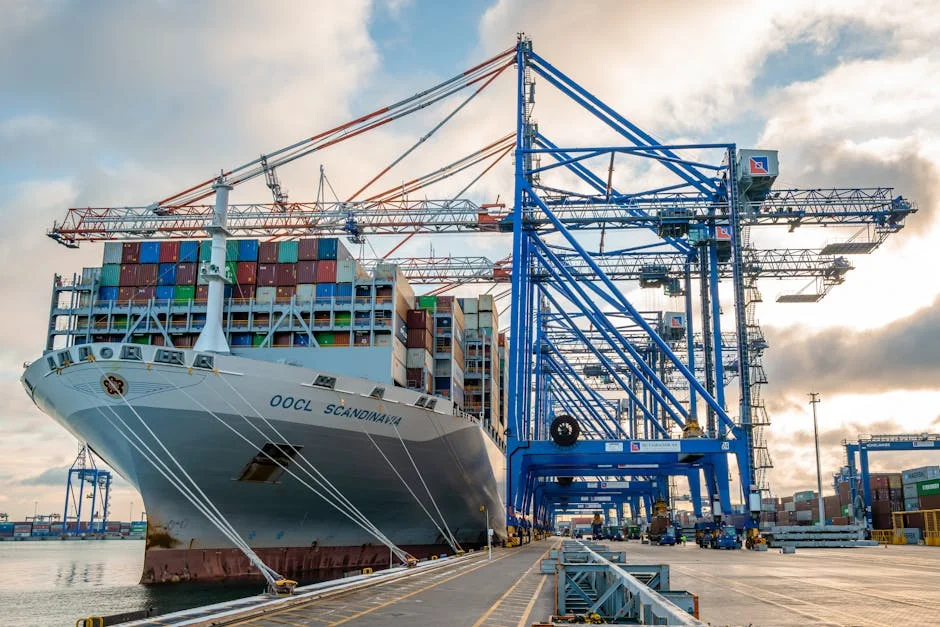
Nigeria and Malaysia have formally deepened their trade relationship with a strategic focus on the burgeoning global Halal economy. This diplomatic push aims to integrate Nigerian agricultural and manufacturing outputs into one of the world’s most lucrative certification markets. The move signals a shift from traditional oil-dependent revenues toward diversified export streams that leverage cultural and religious affinities.
The agreement was highlighted during high-level discussions involving the Nigerian High Commissioner in Kuala Lumpur and key Malaysian trade officials. Aiyub Omar, a prominent figure in the bilateral engagement, emphasized the potential for Nigerian goods to capture a larger share of the Southeast Asian market. This partnership offers a tangible pathway for African producers to access premium pricing in the Middle East and Asia.
Strategic Alignment with African Development Goals
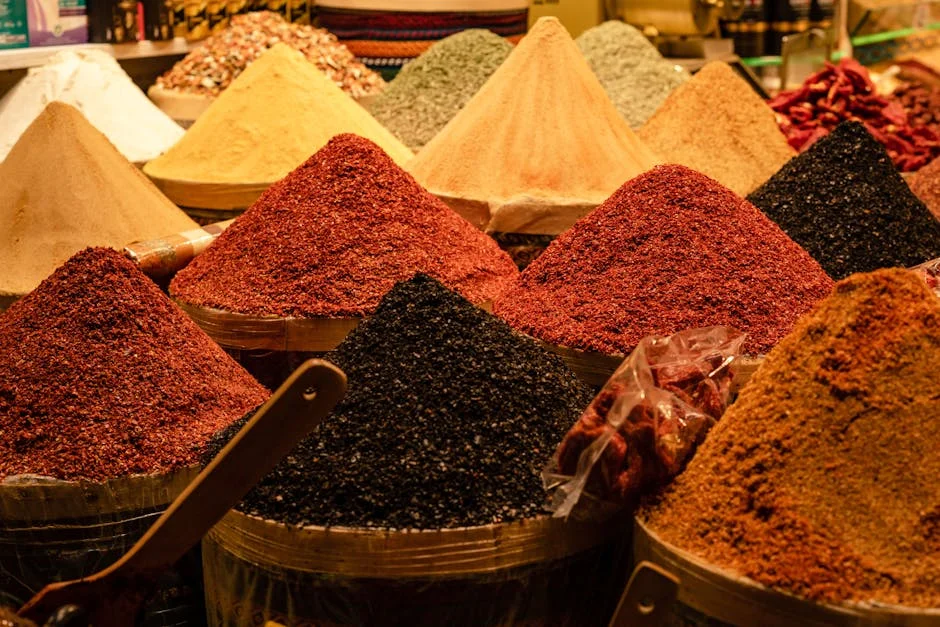
This bilateral effort aligns directly with the African Continental Free Trade Area (AfCFTA) objectives. By standardizing Halal certification processes, Nigeria can create a replicable model for other African nations. The African Union has long identified non-oil exports as a critical lever for economic resilience across the continent. Halal products, which span food, textiles, and pharmaceuticals, represent a low-hanging fruit for immediate revenue generation.
Infrastructure development in Nigeria’s agricultural belts must accelerate to support this new trade flow. Without reliable cold chains and logistics networks in states like Kaduna and Kano, post-harvest losses will erode profit margins. The Nigerian government must prioritize rural road maintenance and port efficiency to ensure that Malaysian buyers receive consistent quality.
Investment in certification bodies is equally crucial. The current fragmentation of Halal certification in Nigeria creates confusion for international buyers. A unified, digitally verifiable certification system would reduce friction and build trust with Malaysian importers. This structural reform is essential for scaling the sector beyond niche markets.
Economic Implications for the Nigerian Market
The Nigerian economy stands to gain substantially from increased export volumes. The Halal sector is projected to contribute significantly to the non-oil GDP in the coming fiscal years. Diversification reduces the volatility associated with crude oil price fluctuations, providing a more stable foundation for macroeconomic planning.
Small and medium-sized enterprises (SMEs) in Nigeria are poised to benefit from this integration. Access to the Malaysian market allows these firms to achieve economies of scale that were previously unattainable. However, competition is fierce, and Nigerian producers must invest in branding and packaging to stand out on Malaysian shelves.
Challenges in Supply Chain Integration
Logistical bottlenecks remain the primary obstacle to realizing the full potential of this trade deal. High transportation costs within Nigeria often make locally produced goods more expensive than imports. This paradox must be addressed through targeted subsidies or public-private partnerships that lower the cost of moving goods from farm to port.
Quality control standards in Nigeria sometimes lag behind those in Malaysia. Nigerian manufacturers must adopt stricter hygiene and processing protocols to meet the rigorous expectations of the Malaysian Halal Authority. Technical training programs for farmers and factory workers will be necessary to bridge this quality gap.
Regional Opportunities for West African Producers
Nigeria’s success in the Malaysian Halal market could serve as a blueprint for the entire West African region. Countries like Ghana, Senegal, and Nigeria share similar agricultural profiles and cultural ties to the Halal market. A coordinated regional approach could create a powerful bloc of Halal exporters competing with traditional giants like Turkey and Brazil.
Collaborative efforts in certification and logistics could reduce individual country costs. By pooling resources, West African nations can negotiate better terms with shipping lines and certification bodies. This regional integration strengthens the bargaining power of African producers in global trade negotiations.
The potential for value addition is immense. Instead of exporting raw shea butter or cocoa, African nations can process these goods into Halal-certified cosmetics and confectionery. This value addition captures more revenue at the source and creates jobs in manufacturing sectors across the continent.
Governance and Policy Frameworks
Effective governance is the backbone of any successful trade initiative. The Nigerian government must streamline regulatory approvals to reduce the time it takes for products to reach the Malaysian market. Bureaucratic delays can quickly erode the competitiveness of perishable goods.
Transparency in the allocation of trade incentives is also critical. Ensuring that subsidies and tax breaks reach the intended beneficiaries will prevent leakage and maximize the impact of public spending. Independent audits of trade programs can help maintain accountability and public trust.
Policy consistency is another key factor. Frequent changes in export duties or import restrictions can create uncertainty for investors. A stable policy environment encourages long-term investments in processing facilities and technology adoption.
Infrastructure Investment Needs
Physical infrastructure remains a critical enabler of Nigeria’s Halal trade ambitions. Ports in Lagos and Onitsha require modernization to handle increased cargo volumes efficiently. Delays at customs clearance points can lead to spoilage of perishable Halal products, reducing their market value.
Road networks connecting agricultural hubs to export terminals need urgent attention. Poor road conditions increase transportation costs and damage to goods during transit. Public investment in these corridors can yield high returns by reducing the overall cost of doing business.
Energy infrastructure is equally important. Reliable electricity supply is essential for cold storage and processing plants. Energy shortages force manufacturers to rely on expensive diesel generators, which inflates production costs. Investment in renewable energy solutions could provide a sustainable power source for Halal processing zones.
Future Outlook and Next Steps
The next phase of this partnership will focus on implementing the agreed-upon certification harmonization. Both nations have committed to establishing a joint technical committee to oversee the process. This committee will meet quarterly to review progress and address emerging challenges.
Stakeholders should watch for the launch of the first wave of Nigerian Halal products in major Malaysian supermarkets. This market entry will serve as a test case for the effectiveness of the new trade frameworks. Success in this initial phase will pave the way for expanded product lines and deeper market penetration.
Investors and policymakers should monitor the quarterly trade reports from the Nigerian Export Promotion Council. These reports will provide concrete data on export volumes and revenue generation. This data will be crucial for adjusting strategies and identifying new opportunities within the Halal economy.
See Also
- Esta Launches ETF XRP in US Market: What It Means for African Investors
- Portugal Prioritises 'Horas' Initiative: What It Means for Nigerian Families
What is the latest news about nigeria seizes malaysia halal trade deal to boost african exports?
Why does this matter for economy-business?
What are the key facts about nigeria seizes malaysia halal trade deal to boost african exports?