The Ebola virus has returned to eastern DR Congo, killing at least three people and hospitalising dozens more as health officials race to contain a potential epidemic in a region already burdened by conflict and displacement. The outbreak, confirmed in the North Kivu province, marks the latest chapter in a long history of Ebola crises that have devastated communities near the Ugandan border since 2018.
Local residents described a atmosphere of dread settling over market towns and displacement camps. "Ebola has tortured us," one resident told Reuters, speaking on condition of anonymity for fear of reprisal. Health workers have begun tracing contacts of the confirmed cases, a laborious process that officials say will determine whether the outbreak spirals into a full epidemic.
Outbreak Confirmed in North Kivu
The Congolese Ministry of Public Health announced the outbreak after laboratory tests returned positive for the Ebola Zaire strain, one of the most lethal variants of the virus. North Kivu, a province of roughly seven million people, has experienced intermittent Ebola flare-ups since a massive epidemic began there in 2018. That outbreak, declared over in June 2020, claimed more than 2,200 lives.
Three deaths have been officially recorded in the current cluster, according to a ministry statement released in Kinshasa. Local media reported additional suspected cases in the town of Butembo, a commercial hub that served as the epicentre of the previous epidemic. At least 29 people who came into contact with the deceased have been placed under observation, health officials confirmed.
Communities Already Under Strain
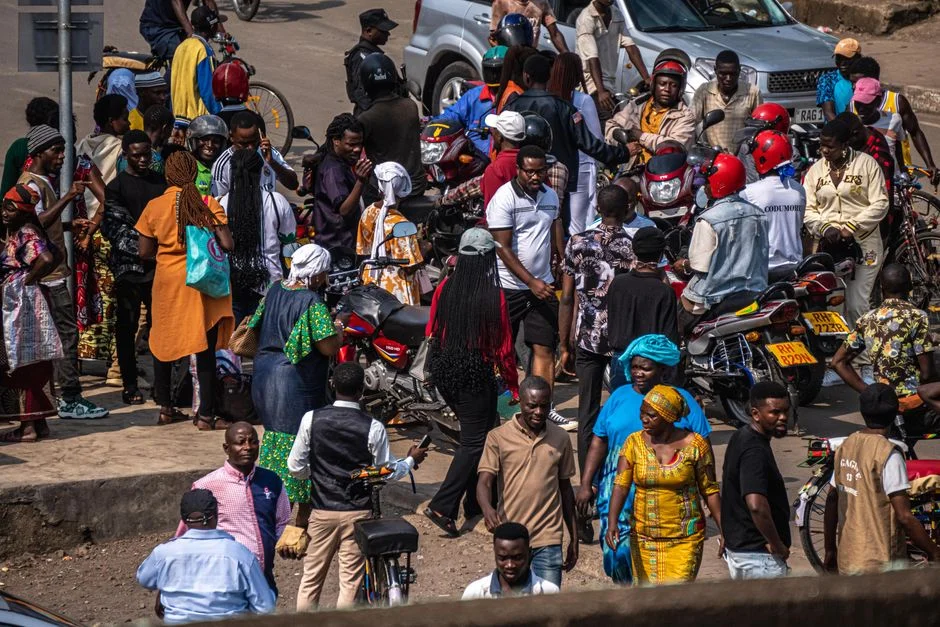
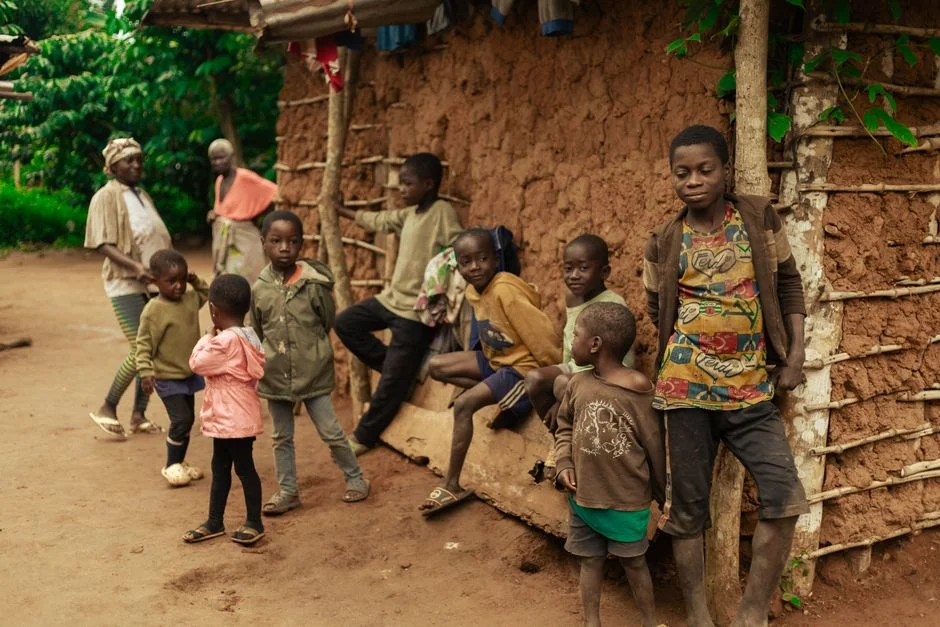
The resurgence arrives at a particularly fragile moment for eastern DR Congo. Years of fighting between government forces and armed groups have displaced an estimated 1.8 million people across North Kivu and neighbouring provinces. Many of the displaced now live in overcrowded camps with limited access to clean water or sanitation, conditions that could accelerate transmission of the highly contagious virus.
Community health workers say they face an uphill battle convincing residents to abandon traditional burial practices, which involve direct contact with the bodies of the deceased and have been a major driver of past outbreaks. "People are scared," said a volunteer medic working in the region, speaking to journalists by phone. "But changing habits takes time, and Ebola does not wait."
Government and WHO Respond
The World Health Organization said it had deployed a team of specialists to support the Congolese response and is working to secure doses of the Ervebo vaccine, which proved effective during the 2018–2020 outbreak. The vaccine, manufactured by Merck, can be stored at minus 60 degrees Celsius, a logistical challenge in a region where electricity supply remains unreliable.
The Congolese government pledged to establish treatment centres in Butembo and the nearby city of Goma, though officials acknowledged that funding gaps could slow the response. The Ministry of Public Health called on international donors to honour previous aid commitments, warning that a delayed response could prove far more costly in lives and resources.
Regional Concerns Rise
Neighbouring Uganda, which shares a porous border with North Kivu, heightened surveillance at crossing points. The Ugandan health ministry said it had activated emergency protocols and was screening travellers for symptoms. Previous Ebola outbreaks have crossed into Uganda through population movement, and officials in Kampala said they were monitoring the situation closely.
The African Union's health watchdog, the Africa Centres for Disease Control and Prevention, offered to send technical assistance if requested. The organisation's director-general called for solidarity with DR Congo, emphasising that containing Ebola required a coordinated regional approach. "No country can fight this alone," he said in a statement.
Lessons from Previous Outbreaks
Public health specialists noted that the response capabilities in North Kivu have improved since 2018, when mistrust of health workers and armed attacks on treatment centres severely hampered containment efforts. A robust vaccination campaign eventually turned the tide, and officials said they hoped to replicate that success.
Still, challenges persist. Security incidents have continued in parts of North Kivu, and aid organisations have struggled to maintain a consistent presence in some areas. The International Rescue Committee warned that any reduction in humanitarian access could undermine contact tracing and isolate communities from life-saving treatment.
What Happens Next
Health officials said the next two weeks would be critical. If contacts of confirmed cases can be identified and vaccinated quickly, the outbreak may be contained before it spreads further. If not, the virus could reach urban centres like Goma, a city of two million people that sits on the border with Rwanda.
Vaccine shipments are expected to arrive in DR Congo within days, according to WHO. The Congolese government scheduled a press conference in Kinshasa for later this week to update the public on containment measures. Watchers of the outbreak say the coming weeks will test whether the investments made after 2020 — in labs, cold chains, and community engagement — are sufficient to stop Ebola once again.
See Also
- Tinubu Aide Slams Atiku Over NBC Criticism
- Ramaphosa Faces Impeachment Vote — Political Crisis Deepens
What is the latest news about ebola returns to eastern dr congo three dead as outbreak spreads?
Why does this matter for politics-governance?
What are the key facts about ebola returns to eastern dr congo three dead as outbreak spreads?