Farida Khalil sat down to take an exam in Cairo last spring. She walked out a world champion. The 14-year-old Egyptian student claimed the global title, stunning competitors years older than herself and sparking a conversation about how one teenager from North Africa just rewrote what youth achievement looks like.
The competition that changed everything
The contest, held in Dubai, brought together prodigies from more than 40 countries. Farida entered the junior category, where most participants were between 13 and 16. Within hours of the final round, results posted on the competition's official website confirmed her as the outright winner. She scored 847 points out of a possible 1,000, a margin wide enough that judges reviewed the tally twice before announcing her name.
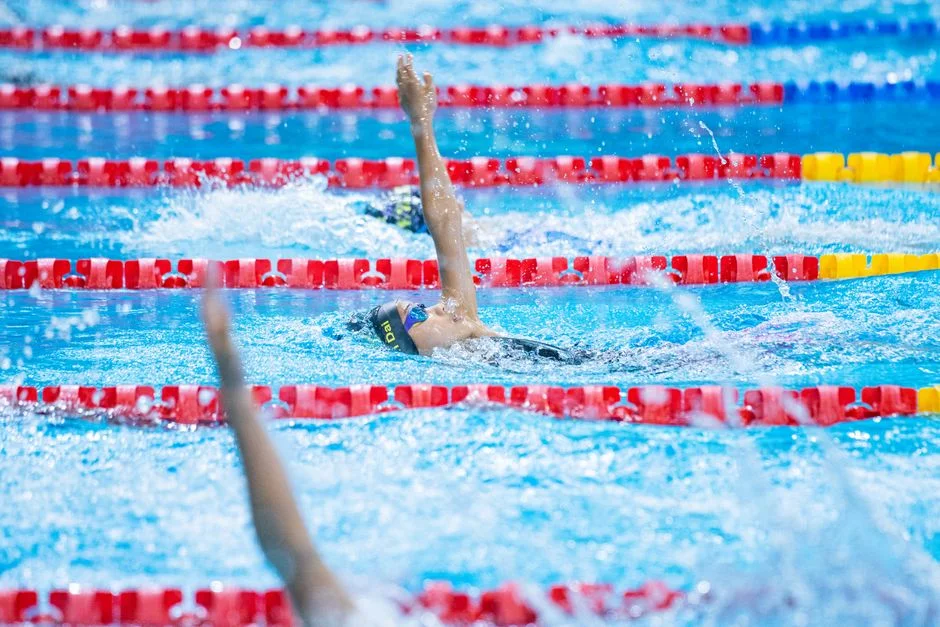
Her coach, Hassan Mansour of the Cairo Gifted Students Programme, told local media the victory was not accidental. "She has logged over 3,000 hours of practice since age nine," he said. "Most children her age spend that time on video games. She spent it mastering her craft."
What Farida's victory reveals about Egypt's talent pipeline
The Egyptian Ministry of Education launched its gifted student initiative in 2019. The programme identifies high-performing children across all 27 governorates and places them in accelerated learning tracks. Farida was scouted at age eight during a provincial screening in Giza. Within two years, she had outpaced students four years older than her.
State data shows the programme currently supports roughly 12,000 students nationwide. Budget allocations have risen each fiscal year since 2021, reflecting government interest in producing globally competitive graduates. Critics argue the initiative benefits urban centres disproportionately, but officials insist rural representation has grown by 23 percent since the programme expanded.
The gender dimension
Farida's win landed during a broader debate about female participation in competitive fields across the Arab world. In Egypt, cultural expectations often steer girls toward less visible careers. Her success has reframed that conversation. Parents in her neighbourhood told reporters they now field calls from families asking how to enrol their daughters. "Yesterday I had three messages from strangers," Farida's mother, Nadia Khalil, told Al-Masry Al-Youm. "They all wanted to know if their girls could do what mine did."
Egypt ranks 127th of 146 countries on the Global Gender Gap Index. Female representation in national science olympiads remains below 30 percent. Farida's achievement punctures that trend visibly.
Reactions from Cairo to the world
President Abdel Fattah el-Sisi offered congratulations through a social media post, calling her "proof that Egyptian youth can compete with anyone, anywhere." The Prime Minister's office announced she would receive a state honour at a ceremony planned for later this year in Cairo.
International response followed. The competition's governing body, headquartered in Vienna, issued a statement praising her "exceptional composure under pressure." Universities in the United Kingdom and South Korea have reportedly contacted her family about early admission pathways.
The practical reality behind the headlines
Beyond the celebration lies a harder question: can Egypt's talent programme scale? Farida received individual mentorship costing roughly 15,000 Egyptian pounds per month. That figure places it out of reach for most families. Without systemic reform, she risks becoming an outlier rather than a template.
Economists point to a broader pattern. Egypt's labour market has contracted in key sectors, pushing families toward any advantage that might differentiate their children. Spending on private tutoring and supplementary education reached 40 billion pounds in 2023, according to the Central Agency for Public Mobilisation and Statistics. That investment chases a limited number of competitive openings.
What comes next for Farida
She returns to school in October. Final examinations in Giza are scheduled for the first week of December. Her family has asked for privacy, but a spokesperson confirmed she intends to continue competing while completing her secondary education.
Three other students from Egypt's programme earned top-ten finishes in Dubai. Their collective performance has prompted the Ministry of Education to announce a new round of provincial screenings beginning in January. Officials say they aim to identify another 5,000 gifted students by mid-2025. Whether that expansion delivers results comparable to Farida's remains the question hanging over Cairo's education corridors.
Watch for the December examination results. If Farida sustains her academic standing alongside her competitive schedule, Egypt will have evidence that its gamble on gifted education is paying dividends — and that the world champion at 14 may only be getting started.
See Also
- Macky Sall Eyes UN Secretary-General Role Amidst African Development Goals
- Trump Threatens Iran — and Nigeria's Energy Security Hangs in the Balance