Sam Nduhungirehe, Rwanda's Minister of Foreign Affairs, arrived in Seoul on Wednesday for the Korea-Africa Foreign Ministers' Meeting, a two-day forum designed to deepen economic and diplomatic ties between the Asian nation and African states.
Rwanda's Diplomatic Push in Seoul
Nduhungirehe landed at Incheon International Airport as part of a delegation representing several African nations. The talks, hosted at the Korean Foreign Ministry's headquarters in downtown Seoul, brought together foreign ministers from across the continent alongside Korean officials led by their Foreign Minister Cho Tae-yul.
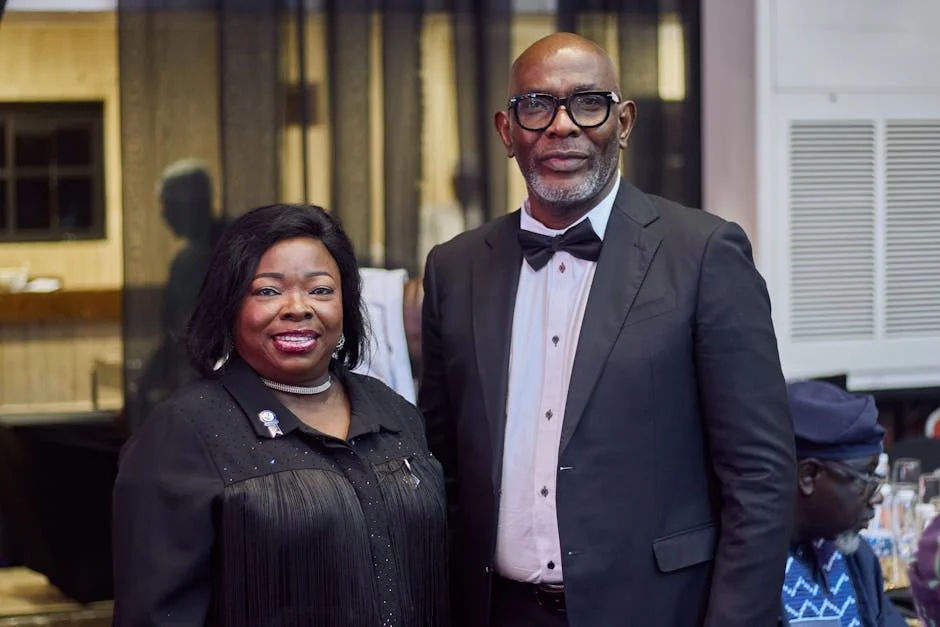
The meeting builds on a 2023 trade agreement between Seoul and the African Union that committed South Korea to increasing investment in African infrastructure by 40 percent over five years. Rwanda has emerged as a key African partner in that initiative, hosting several Korean-funded development projects in Kigali.
What South Korea Wants from Africa
Seoul views Africa as a critical frontier for its export-driven economy. South Korean companies are seeking access to African markets for technology, automobiles, and construction services worth an estimated $3.8 billion annually.
Korean officials presented a framework for cooperation focused on three areas: digital infrastructure, renewable energy projects, and agricultural modernisation. A joint communiqué released at the end of Day One outlined commitments from fourteen African countries to explore partnerships with Korean firms.
Digital and Energy Partnerships
The digital infrastructure component involves laying fibre optic networks across East African nations, with Kenya and Rwanda identified as pilot countries. Korean telecommunications giant KT Corporation has already signed memoranda of understanding with both governments.
Renewable energy discussions centred on solar and geothermal projects, particularly in the Rift Valley region. Kenya's Energy Ministry confirmed preliminary talks with Korean firm Samsung C&T for a 50-megawatt solar installation near Nakuru.
African Demands on the Table
African ministers pressed for technology transfer clauses that would require Korean companies to train local engineers and managers rather than importing staff. Nduhungirehe, speaking on the sidelines of the summit, said African nations want partnerships that build domestic capacity rather than dependency.
"We are not looking for charity," Nduhungirehe told reporters outside the Sejong Centre. "We are looking for investments that leave our people stronger." The comment drew applause from ministers representing Uganda, Ethiopia, and Ghana.
South Korea agreed to establish a $200 million training fund managed jointly with the African Union. The fund will support scholarships for African students in Korean universities across engineering and information technology programmes.
Why This Matters for African Development
The Seoul talks reflect a broader shift in how African nations approach external partnerships. Where previous decades saw Africa as a recipient of aid, countries like Rwanda are negotiating agreements on commercial terms.
Kigali has prioritised technology partnerships since launching its National ICT Strategy in 2022. The city already hosts the African Technology Innovation Hub, which partnered with Korean semiconductor firms last year to train 500 engineers in chip design.
The Korea-Africa forum occurs against a backdrop of intensifying competition among Asian nations for African business. China remains the largest trade partner, but South Korea, Japan, and India are all expanding their footprint through infrastructure and technology deals.
Next Steps and What to Watch
Ministers will conclude negotiations on Thursday with a signed joint declaration expected by evening. Nduhungirehe is scheduled to meet separately with Samsung executives to discuss a potential smartphone manufacturing facility in Kigali's Special Economic Zone.
Analysts say the real test will come in implementation. Previous Africa-Asia forums produced ambitious communiqués that never translated into contracts. What emerges from Seoul this week could determine whether the Korea-Africa partnership matures into substantive projects or fades as diplomatic rhetoric.
See Also
- Nifty Smallcap Surges 57% in April — African Investors Eye Opportunities
- Steenhuisen Demands Joint FMD Plan for South Africa and Botswana
The fund will support scholarships for African students in Korean universities across engineering and information technology programmes.Why This Matters for African DevelopmentThe Seoul talks reflect a broader shift in how African nations approach external partnerships. Nduhungirehe is scheduled to meet separately with Samsung executives to discuss a potential smartphone manufacturing facility in Kigali's Special Economic Zone.Analysts say the real test will come in implementation.