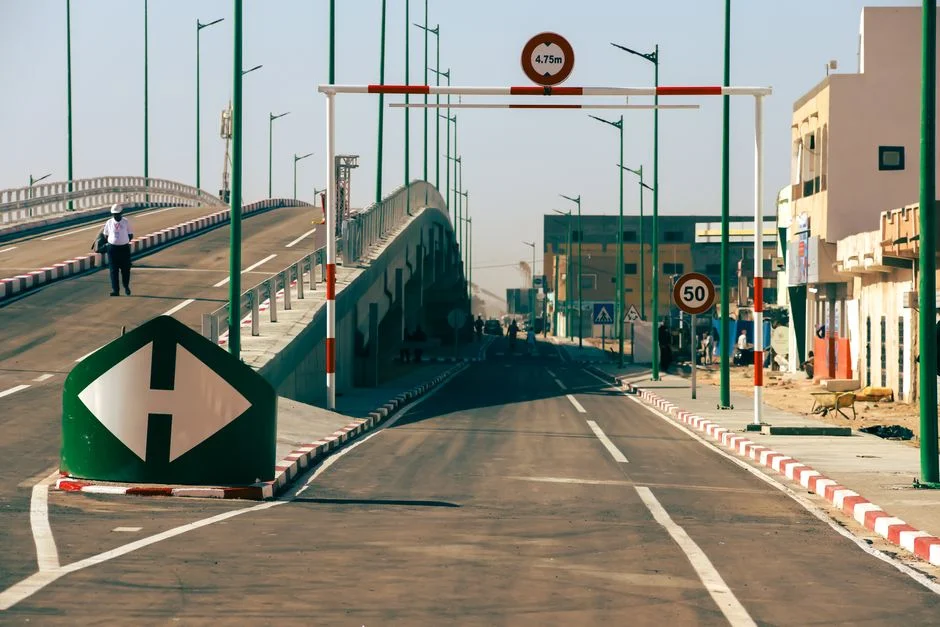
Kenya is grappling with a two-year high in inflation as fuel prices continue to soar. The latest data from the Kenya National Bureau of Statistics revealed that inflation hit 6.5% in October, largely driven by the rising cost of fuel. This surge is causing significant strain on household budgets and impacting businesses across the East African nation.
Impact of Rising Fuel Prices on Inflation
The increase in fuel prices has been dramatic. Since the beginning of the year, the cost of petrol has risen to approximately $1.47 per litre, a rise of more than 20% from January. This spike in fuel prices is central to the recent inflation surge, which is affecting every sector of the economy.
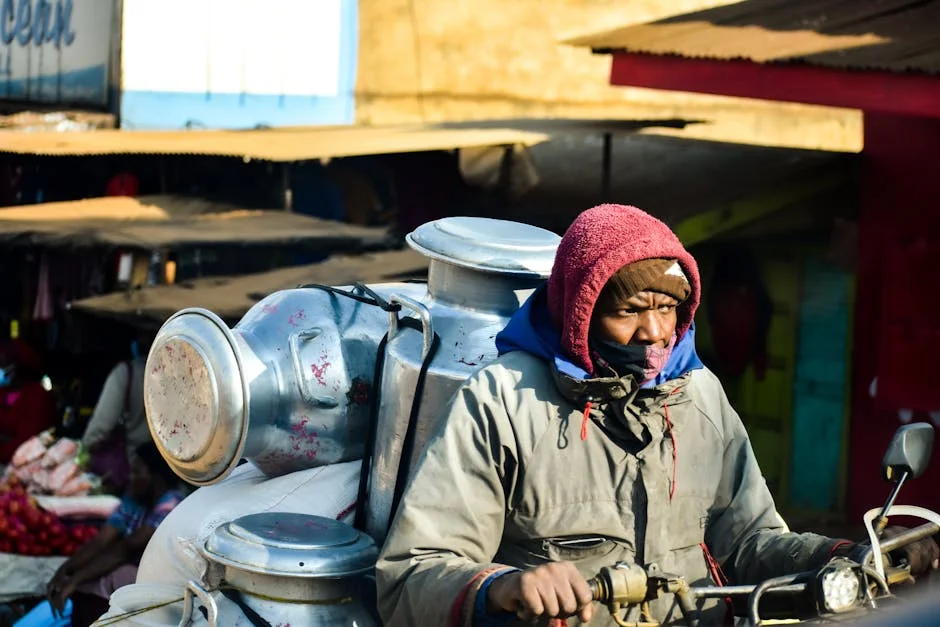
Transport, one of the most affected sectors, has seen prices increase alongside fuel costs. Commuters are now paying more for public transport, which is expected to lead to an increase in the cost of goods and services as suppliers pass on expenses to consumers. Analysts predict that continued escalation in fuel prices could reach a tipping point, pushing more Kenyans into hardship.
Government Response to the Crisis
The Kenyan government, through the Ministry of Energy, has faced criticism for its handling of the fuel price crisis. In response, the government announced measures aimed at stabilising fuel prices, including subsidies. However, critics argue that these measures are insufficient and may only provide temporary relief.
Energy Cabinet Secretary Davis Chirchir confirmed that the government is monitoring the situation closely. He stated that while the challenges are significant, they are working towards long-term solutions that align with the country’s development goals, particularly in relation to energy independence.
Linking Fuel Prices to Broader Economic Goals
This fuel crisis is not just an economic issue; it also intersects with Kenya's broader development goals. As a key player in East Africa, Kenya's stability influences its neighbours, and rising inflation may disrupt regional trade. The African Union has set ambitious goals for economic growth on the continent, and persistent inflation could hinder these efforts.
Moreover, the fuel price fluctuations reflect systemic issues within Kenya's energy policy. Analysts have underscored the need for a diversified energy portfolio that includes renewable sources to mitigate dependency on imported oil and fossil fuels.
Effects on Everyday Lives
For many Kenyans, the rising cost of fuel directly impacts their daily lives. Families are cutting back on essential spending, with many postponing purchases of food and other necessities. Small business owners are also feeling the pinch. The increase in transportation costs is leading to diminished profits, as operating expenses rise.
Social media discussions highlight growing frustration among Kenyans, with calls for government accountability. Many are demanding immediate action to alleviate the financial burden inflicted by rising fuel prices.
Future Considerations for Kenya’s Economy
The situation presents both challenges and opportunities for Kenya. On one hand, the rising inflation presents risks to growth and stability. On the other, it could serve as a catalyst for energy reforms, pushing the government to invest in sustainable energy solutions that could ultimately reduce dependency on volatile fuel markets.
As Kenya navigates these turbulent economic waters, the government's upcoming budget discussions will be critical. Stakeholders will be watching closely to see how the administration addresses these issues and what measures will be implemented to alleviate the pressure on consumers.
The Road Ahead for Kenyans
The next few months will be pivotal as the government continues to grapple with the implications of rising fuel prices. Citizens should remain vigilant as they await the outcomes of proposed measures aimed at stabilising the economy. With inflation at a peak, the focus will be on how effectively policy changes will be implemented and what long-term strategies will emerge to protect Kenyans from future shocks.
See Also
- Ntshavheni Warns Against Panic Buying as Fuel Shortages Escalate
- Ronaldo's Ego Exposed: Ramos Emerges as True Leader in Football Dynamics