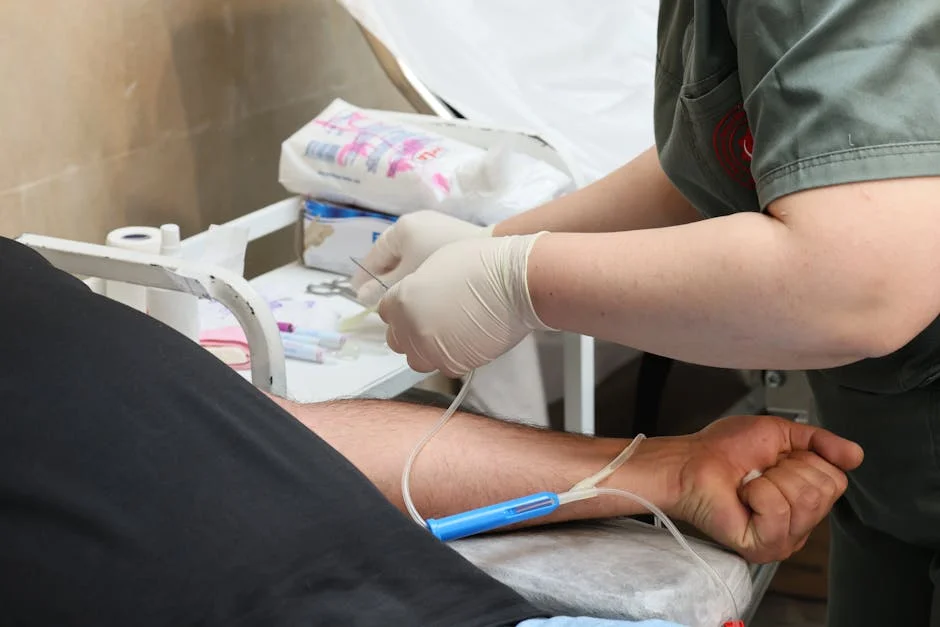
Thousands of Kenyan residents have taken to the streets in recent weeks, demanding that authorities abandon plans for a United States-funded Ebola research facility. The demonstrations, centred around the Nairobi area and spreading to at least three additional counties, have exposed a sharp divide between the government's public health ambitions and local fears about biosecurity risks.
The proposed centre, designed to bolster East Africa's capacity to detect and respond to viral outbreaks, has become the subject of fierce debate. Opponents question whether sufficient safeguards exist to protect surrounding communities. The government, meanwhile, insists the facility meets international safety standards.
What the protests are about
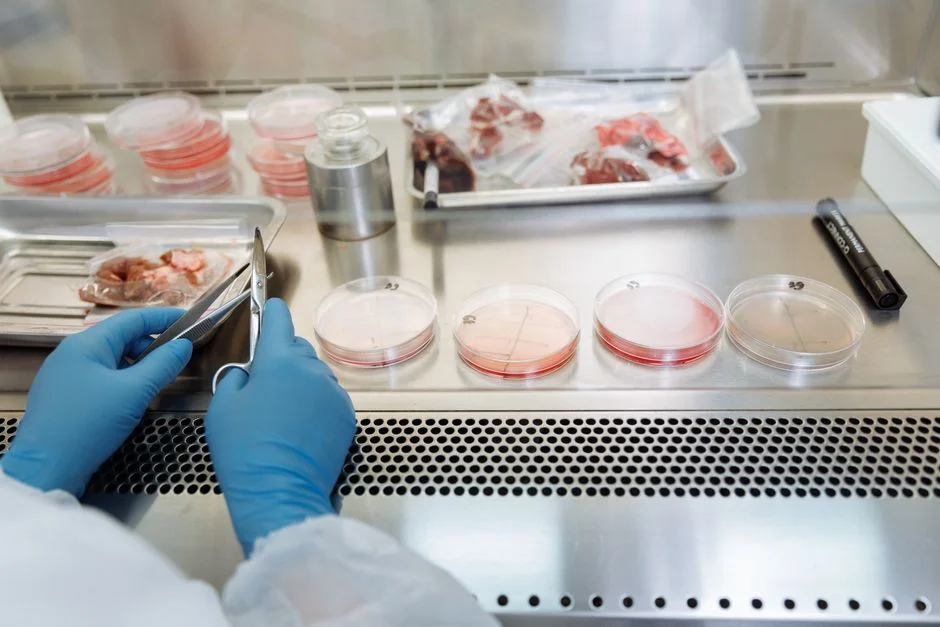
Demonstrators have blocked roads and gathered outside regional government offices since the plans became public. Their complaints centre on what they describe as a lack of meaningful consultation before the project received approval.
Local community leaders told reporters the government announced the facility without holding public hearings. "We learned about this from the news," one organiser stated at a rally in the capital. "People here want answers before any construction begins."
The Kenya Ministry of Health has defended the initiative, arguing that the facility would strengthen the country's ability to handle future epidemics. Officials note that Kenya's geographic position makes it a high-risk entry point for infectious diseases from the wider region.
The U.S. partnership and its goals
Washington has committed funding through a bilateral health security programme aimed at building laboratory infrastructure across Africa. The facility would join a network of similar centres already operating in Nigeria, Senegal, and South Africa.
American officials described the project as part of a broader effort to close gaps in epidemic preparedness across the continent. A State Department spokesperson confirmed the partnership had undergone extensive review before moving forward.
The U.S. Centers for Disease Control and Prevention is listed as a technical partner on the initiative. The agency has worked with Kenyan health authorities on disease surveillance for more than two decades.
Why this matters for African health security
Health experts have long argued that Africa remains dangerously underprepared for major outbreaks. The 2014 West African Ebola epidemic, which killed more than 11,000 people, exposed weaknesses in laboratory capacity and cross-border coordination.
Since then, the African Union and the Africa Centres for Disease Control and Prevention have pushed member states to invest in local outbreak detection. Kenya's proposed facility was meant to support that continental effort.
The backlash now threatening the project illustrates a recurring challenge across the region. International health investments frequently arrive with technical blueprints but limited groundwork on community acceptance.
Lessons from past health projects
Similar disputes have surfaced elsewhere on the continent. In Ghana, local opposition delayed a pathogen research laboratory for years. In Sierra Leone, communities near a biosafety facility raised contamination concerns that took months to address.
Development specialists say these conflicts reflect deeper questions about who controls health infrastructure and who benefits from it. "Communities want to know: whose lab is this, and who decides what happens inside it," one public health researcher noted.
Government response and next steps
Kenyan health officials have proposed a series of community meetings to explain the project's safety protocols. They have also suggested forming a local oversight committee with resident representation.
Whether those concessions satisfy protesters remains unclear. Organisers have demanded an immediate construction halt until a binding community veto mechanism is put in place. The government has rejected that demand, insisting the project will proceed on schedule.
Regional political leaders have called for mediation. The Senate health committee announced it would hold public hearings on the matter within the coming month.
Watch for the Senate hearings scheduled for next month. Those sessions will determine whether construction moves forward or faces further delays. The outcome could set a precedent for how Africa manages similar disputes over health infrastructure in future.
See Also
- Suspension of Amianto Regulations Sparks Health Concerns in Nigeria
- Braga Hospital Workers Strike Over Parking Fees: A Health Crisis Unfolds