The Democratic Republic of Congo (DRC) is grappling with yet another Ebola outbreak, as confirmed cases have surged to 26 in the North Kivu province since the beginning of April 2023. The World Health Organization (WHO) issued a warning last week, underscoring the need for immediate intervention to prevent the spread of the virus, which has claimed 16 lives in this latest surge.
Historical Context of Ebola in Congo
The DRC has faced numerous Ebola outbreaks since the disease was first identified in 1976. While the country has developed some strategies to combat the virus, the frequency and scale of these outbreaks highlight ongoing challenges. In previous years, such as in 2020, the DRC experienced over 100 confirmed cases during an outbreak in Equateur province, showcasing the persistent threat that Ebola poses.
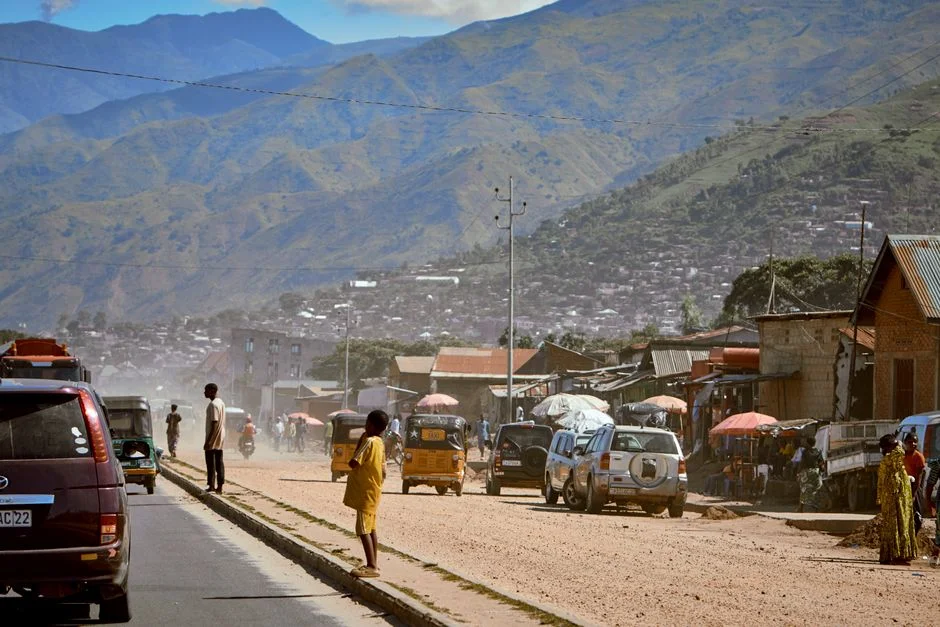
One significant factor contributing to the recurrence of Ebola is the inadequate health infrastructure in the DRC. Despite international aid, local health facilities remain under-resourced, hampering effective responses. With only 0.2 doctors per 1,000 people, healthcare access is alarmingly limited, making it nearly impossible to manage epidemic outbreaks efficiently.
Government Response and International Aid
The Congolese Ministry of Health has deployed health teams to North Kivu to manage the outbreak. However, logistical challenges continue to obstruct comprehensive containment efforts. In response, the WHO has mobilised resources, including vaccines, which they aim to distribute across affected regions. However, the lack of reliable data from the field remains a critical barrier to effectively combatting the disease.
In previous outbreaks, such as the one in 2018 that resulted in over 2,200 cases, a lack of early response and community engagement led to the swift spread of the virus. These historical lessons are vital for current efforts, yet gaps persist in the coordination of local and international resources.
Impact on Regional Development Goals
The recurrent nature of Ebola outbreaks poses significant setbacks to the DRC's development goals. The United Nations has projected a need for the DRC to achieve substantial improvements in healthcare and infrastructure to meet the Sustainable Development Goals (SDGs) by 2030. Health crises divert essential resources from other critical areas such as education and economic development.
Moreover, the health risks associated with Ebola extend beyond the DRC. Nigeria, for instance, remains vulnerable due to its proximity to the DRC. In 2014, an Ebola outbreak in West Africa demonstrated how the virus can rapidly cross borders, leading to significant economic and social impacts in affected countries.
Community Engagement and Trust Building
Building trust within local communities remains paramount. Past experiences show that misconceptions about the disease can hinder effective response strategies. In many instances, communities have been hesitant to engage with health officials or participate in vaccination campaigns due to mistrust stemming from previous responses.
Efforts to employ community health workers who understand local dynamics have proven beneficial in previous outbreaks. Enhancing these initiatives, alongside transparent communication from health authorities, is critical to fostering collaboration and ensuring compliance with health protocols.
Looking Ahead: Preventing Future Outbreaks
As the DRC battles the current outbreak, several steps are necessary to avert future occurrences. Investments in health infrastructure must be prioritised, alongside the establishment of sustainable public health policies. The upcoming health summit in Kinshasa, scheduled for June, will be pivotal for stakeholders to discuss frameworks for improving healthcare access and outbreak preparedness.
With the deadline for achieving the SDGs rapidly approaching, the DRC's approach to managing health crises like Ebola will be a litmus test for its commitment to broader development goals. The international community's support and collaboration with local authorities will be essential for navigating these ongoing challenges.
See Also
- AngloGold Ashanti Slams Record Cash Flow — Ghana's Dividend Surge
- Nasarawa's Faisal Withdraws from Health Post as IGP Adamu Steps Up
In 2014, an Ebola outbreak in West Africa demonstrated how the virus can rapidly cross borders, leading to significant economic and social impacts in affected countries.Community Engagement and Trust BuildingBuilding trust within local communities remains paramount. Health crises divert essential resources from other critical areas such as education and economic development.Moreover, the health risks associated with Ebola extend beyond the DRC.
What is the latest news about congo faces recurrent ebola outbreaks health infrastructure crumbles?
Why does this matter for health-medicine?
What are the key facts about congo faces recurrent ebola outbreaks health infrastructure crumbles?