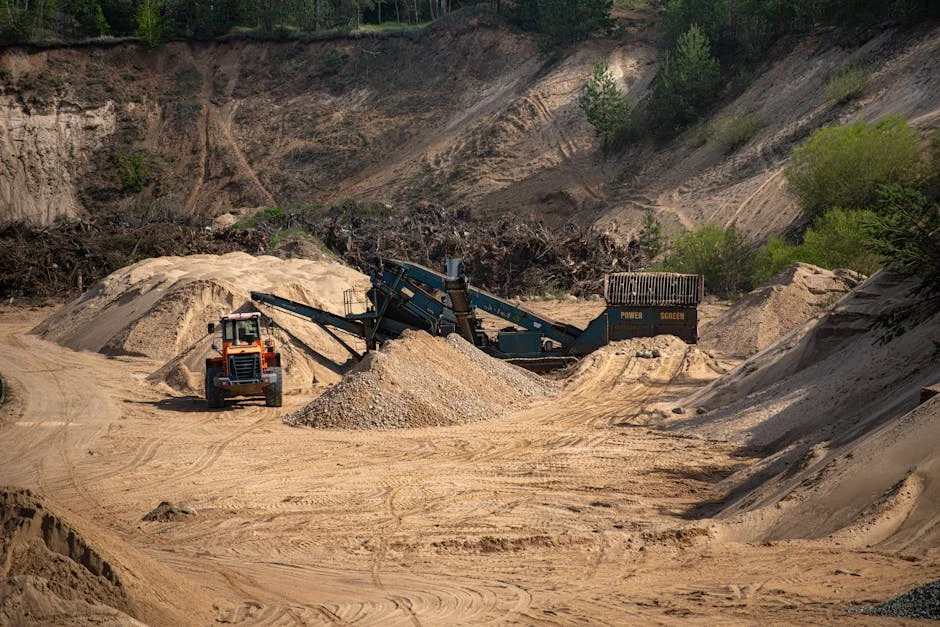
AngloGold Ashanti has announced a record-breaking first-quarter performance for 2026, driven by robust gold prices and operational efficiency at its flagship Obuasi mine in Ghana. The mining giant reported a cash flow surge that significantly outperformed analyst expectations, prompting an immediate increase in dividend payouts to shareholders. This financial milestone highlights the critical role of extractive industries in stabilizing African economies amidst global inflationary pressures.
Record Financial Performance Drives Investor Confidence
The company’s financial results for the quarter ending in March 2026 reveal a dramatic shift in profitability. Revenue figures climbed sharply as the global spot price of gold maintained its upward trajectory, benefiting producers across the continent. AngloGold Ashanti confirmed that its operating cash flow reached unprecedented levels, allowing for aggressive debt reduction and enhanced capital expenditure. This financial health provides a buffer against the volatile commodity markets that often plague African mining sectors.

Investors in Lagos, Accra, and Johannesburg reacted positively to the announcement. The stock price surged in early trading, reflecting renewed confidence in the company’s strategic management. Analysts point out that this performance is not merely a result of high gold prices but also stems from disciplined cost control measures implemented over the last two years. The ability to maintain margins during inflationary periods demonstrates operational resilience that many peers are still striving to achieve.
The dividend increase serves as a tangible reward for stakeholders who have weathered previous market fluctuations. Shareholders will receive a higher per-share payout, which is expected to boost liquidity in the local capital markets. This move signals management’s optimism about future production targets and the sustained strength of the gold market. It also sets a benchmark for other mining firms operating in West Africa to follow suit.
Obuasi Mine: The Engine of Ghana's Golden Era
The Obuasi mine, located in the Ashanti Region of Ghana, remains the crown jewel of AngloGold Ashanti’s portfolio. This historic site has been producing gold for over a century, but recent technological upgrades have revitalized its output. The mine’s contribution to the Q1 2026 results underscores why Obuasi matters in the broader context of Ghana’s economic recovery. It stands as a testament to how legacy assets can be modernized to compete with newer discoveries.
Local communities surrounding the mine have begun to feel the economic ripple effects. Increased production has led to higher employment rates and greater spending power in the Ashanti Region. The company has committed a portion of its record profits to community development projects, focusing on healthcare and education infrastructure. These initiatives align with Ghana’s national development goals, aiming to translate mineral wealth into tangible social progress.
However, the success of Obuasi also brings challenges. Environmental concerns regarding water usage and land rehabilitation remain top priorities for local stakeholders. The company must balance rapid production increases with sustainable practices to maintain its social license to operate. This balance is crucial for long-term stability, as community relations often determine the smooth flow of operations in West African mining hubs.
Community Development and Social License
AngloGold Ashanti has launched several new initiatives in Obuasi to address local needs. These include the construction of new schools and the expansion of healthcare facilities in surrounding villages. Such investments are designed to improve the quality of life for residents and foster goodwill. The company recognizes that a happy community is essential for uninterrupted mining operations.
Education programs have been expanded to include vocational training for young people in the Ashanti Region. This focus on human capital development aims to create a skilled workforce that can adapt to the changing demands of the mining industry. By investing in local talent, AngloGold Ashanti ensures a steady supply of qualified employees while reducing reliance on expatriate workers. This strategy supports broader African development goals of creating sustainable employment opportunities.
Implications for Nigeria and Regional Markets
The success of AngloGold Ashanti in Ghana has direct implications for Nigeria, Africa’s largest economy. The Obuasi impact on Nigeria is felt through increased foreign direct investment and stronger regional stock market performance. Nigerian investors hold significant stakes in the company, and the dividend surge boosts household income and corporate liquidity in Lagos. This cross-border financial linkage highlights the interconnectedness of West African economies.
Nigeria’s own mining sector is looking to replicate Ghana’s success stories. The country is rich in solid minerals, yet gold remains underexploited compared to its oil counterpart. The performance of AngloGold Ashanti provides a blueprint for Nigerian policymakers on how to attract and retain major mining firms. Improving infrastructure and streamlining regulatory processes are key steps identified by experts in Abuja.
Regional integration efforts are also benefiting from this economic stability. Stronger financial performance in Ghana contributes to the overall growth of the Economic Community of West African States (ECOWAS). This stability encourages trade and investment flows across borders, fostering a more resilient regional economy. The spillover effects of Ghana’s mining boom are evident in increased demand for Nigerian goods and services.
Gold Prices and Global Economic Context
The global gold market has experienced significant volatility in recent years, but the first quarter of 2026 saw relative stability. Central banks worldwide have continued to accumulate gold reserves as a hedge against currency fluctuations. This trend has provided a strong floor price for gold, benefiting producers like AngloGold Ashanti. The demand from emerging markets, particularly in Asia, has also played a crucial role in sustaining high prices.
Inflationary pressures in major economies have further bolstered gold’s appeal as a safe-haven asset. Investors in the United States and Europe have flocked to gold to preserve purchasing power. This global dynamic has created a favorable environment for African mining companies to maximize their revenues. The ability to convert local production into hard currency is vital for balancing trade deficits.
The March developments explained in financial reports highlight the timing of these gains. The quarter’s performance was boosted by strategic hedging decisions made by the company’s treasury team. These financial maneuvers protected the company from sudden price drops, ensuring steady cash flow. Such strategic planning is essential for navigating the uncertainties of the global commodity markets.
Challenges Facing African Mining Sectors
Despite the record performance, African mining sectors face persistent challenges. Infrastructure deficits, particularly in power and transport, continue to increase operational costs. AngloGold Ashanti has invested heavily in solar power plants at its Ghanaian operations to mitigate electricity costs. This move addresses one of the most significant hurdles facing industries in West Africa.
Regulatory changes in host countries can also impact profitability. Ghana has introduced new tax regimes aimed at capturing more value from the mining sector. While these measures are designed to benefit the national treasury, they require careful management by mining companies to ensure competitiveness. The balance between state revenue and corporate profit is a delicate one that requires ongoing dialogue.
Environmental, Social, and Governance (ESG) criteria are becoming increasingly important for attracting international investment. Mining companies must demonstrate strong ESG practices to secure funding and maintain market share. AngloGold Ashanti’s focus on community development and environmental sustainability positions it well in this regard. These efforts are not just corporate social responsibility but strategic imperatives for long-term success.
Future Outlook and Strategic Priorities
Looking ahead, AngloGold Ashanti plans to reinvest a significant portion of its record cash flow into exploration and expansion projects. The company aims to unlock new deposits in Ghana and other key regions to sustain production growth. This strategic focus on exploration is crucial for extending the life of its mines and ensuring future profitability. Investors will be watching closely to see how these investments translate into output.
The company also intends to enhance its technological capabilities through digital transformation. Implementing advanced data analytics and automation in mining operations will improve efficiency and safety. These technological upgrades are part of a broader trend in the African mining sector towards modernization. Embracing innovation will help companies stay competitive in a rapidly changing global market.
Stakeholders should monitor the company’s progress in debt reduction and capital allocation strategies. The management team has outlined clear targets for the remainder of 2026, providing a roadmap for future performance. Regular updates on production volumes and cost structures will be critical for assessing the sustainability of the current growth trajectory. The next quarterly report will provide further insights into these strategic priorities.
See Also
- Katya’s Hospital Stay Sparks Health Anxiety Across African Diaspora
- Africa Loses Out as Women Scientists Are Excluded From Leadership