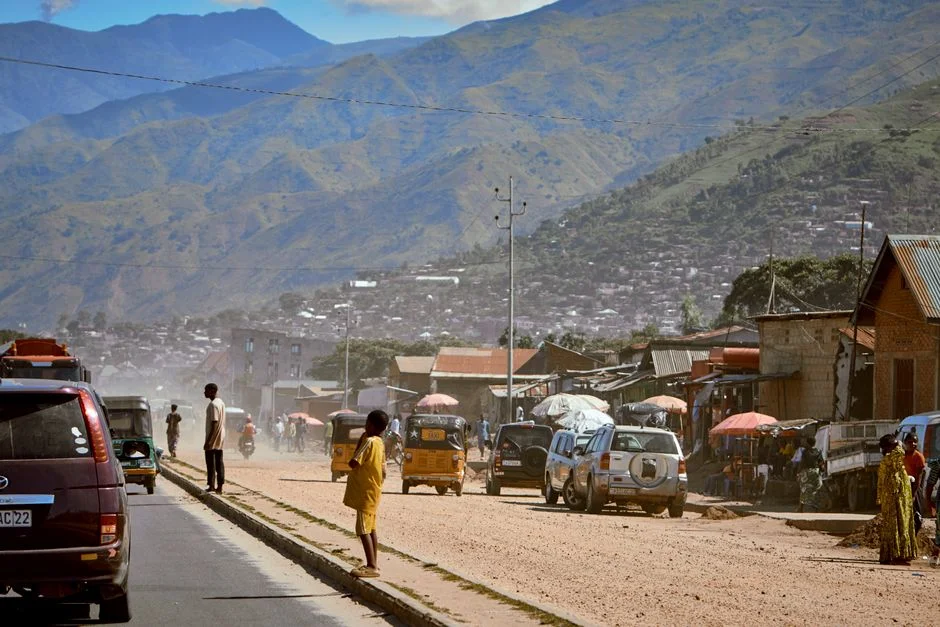
Hundreds gathered in Nairobi on Wednesday to protest against a horrific surge in child murders that has gripped the nation. Activists and citizens alike demanded justice and accountability from the government as the toll of reported child killings rose to at least 200 in the first half of 2023 alone. The movement, spearheaded by grassroots organisations such as Africa Uncensored, aims to raise awareness about the growing violence targeting children in Kenya's capital.
Child Murders Spark Outrage and Activism
The protest was organised by a coalition of local groups, including Africa Uncensored, which has been vocal about the need for urgent reforms in child protection policies. Activists carried banners reading "Stop the Killings" and "Protect Our Children" as they marched through the streets of Nairobi. Odipo Dev, a prominent activist with Africa Uncensored, addressed the crowd, urging citizens to pressure their leaders to act decisively against this escalating violence.
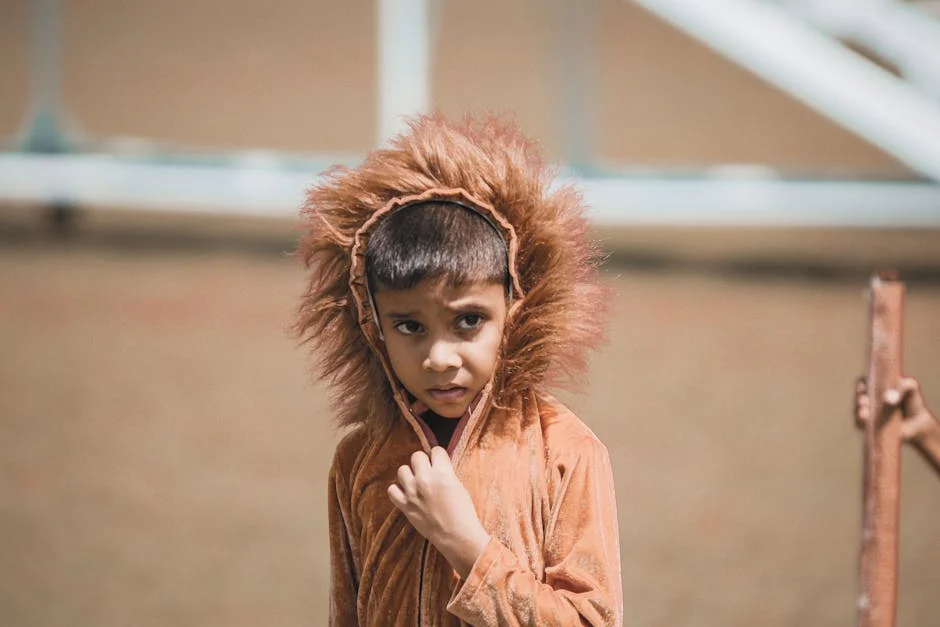
Kenya has faced a troubling increase in child murders, with the latest reports indicating a shocking rise of nearly 50 percent compared to last year. Activists attribute this surge to various factors, including poverty, social instability, and a lack of effective law enforcement. The demand for justice has intensified, with many calling for immediate investigations and the implementation of stronger protective measures for children.
Government Response to Public Anger
In response to the protests, the Kenyan government announced an emergency meeting to address the crisis. Interior Cabinet Secretary Kithure Kindiki confirmed that they are developing a multi-agency task force to investigate these murders. "We cannot allow such heinous acts to continue unchecked," he said, pledging more resources for child protection initiatives.
Despite the government’s promises, many protesters voiced skepticism about the effectiveness of the response. “Words are not enough; we need action now,” stated one demonstrator. The discontent reflects a broader disillusionment with the government’s ability to ensure safety and uphold human rights, particularly for the most vulnerable populations.
Linking Child Safety to Broader Development Goals
The alarming rates of child violence present significant challenges to Kenya’s development goals, including those outlined in the African Union’s Agenda 2063. Ensuring the safety and well-being of children is fundamental to achieving sustainable economic growth and social stability. The persistent threats to child safety undermine not only individual lives but also the potential of future generations.
Investment in education and health is critical as these sectors are intertwined with child protection. Without a safe environment, children are less likely to attend school and benefit from health services. This not only affects their individual futures but also hinders national progress towards universal education and improved health outcomes.
International Observations and Support
The international community is watching the situation closely, with rights organisations calling for urgent attention to protect children in Kenya. Reports suggest that foreign aid could be tied to improvements in child welfare metrics. The United Nations has expressed concern, reiterating that violence against children must not be tolerated anywhere in the world.
Kenyan officials may seek assistance in strengthening systems to address violence against children. Collaborations with NGOs and international bodies could provide vital resources and expertise to combat this crisis effectively.
Community Mobilisation and Future Actions
The protests in Nairobi represent a significant mobilising force within the community, highlighting how citizens can demand accountability from their leaders. As more people join the cause, it becomes crucial for the government to respond to these calls for change. Community engagement and education could foster greater awareness of children’s rights and safety.
Next Steps for Activists
Activists plan to continue their efforts, aiming to engage more citizens through awareness campaigns, educational programs, and lobbying for legislative reforms. They are calling for a national summit on child safety to involve a diverse range of stakeholders, including law enforcement, government agencies, and community leaders.
The situation remains fluid, and the outcome of these protests may set a precedent for how child protection issues are handled in Kenya. The movement's next steps will be crucial in shaping the government's response and determining the future well-being of the country's children.
Looking Ahead
As Kenya grapples with this humanitarian crisis, the nation stands at a crossroads. The upcoming parliamentary session in November could see discussions on new legislation aimed at bolstering child protection laws. Activists and concerned citizens must maintain pressure on their leaders to ensure that the recent outrage translates into real, effective change that protects the lives of children.
See Also
- Nigeria Faces Pandemic Preparedness Deficit Amid Global Health Concerns
- South Africa Enforces New Tax Regulations — Businesses Face Tougher Audits
Collaborations with NGOs and international bodies could provide vital resources and expertise to combat this crisis effectively.Community Mobilisation and Future ActionsThe protests in Nairobi represent a significant mobilising force within the community, highlighting how citizens can demand accountability from their leaders. Reports suggest that foreign aid could be tied to improvements in child welfare metrics.