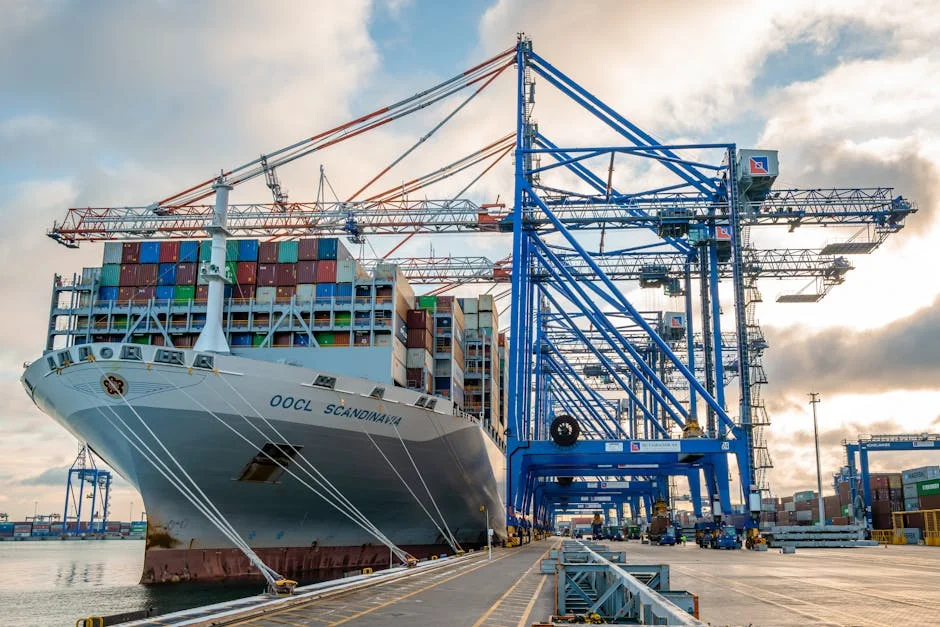
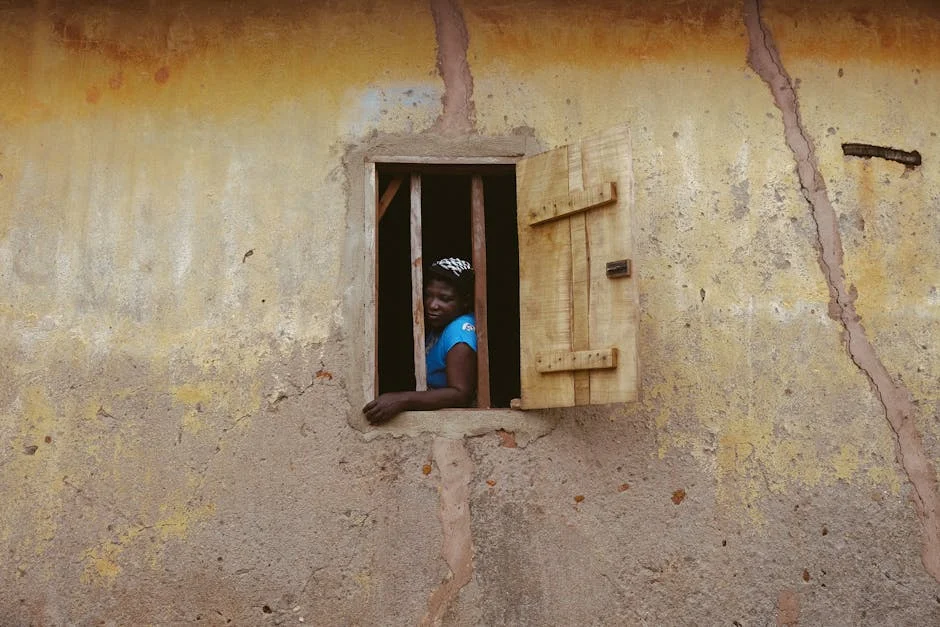
Angola's foreign policy has shifted dramatically, with the government announcing the removal of Portugal and Russia from its diplomatic considerations. This decision, confirmed by Angolan officials on September 15, 2023, reflects a strategic pivot in the nation's engagement with global partners, prioritising relationships that align more closely with its developmental goals.
Portugal's Historical Influence in Angola
Portugal has played a significant role in Angola's history, especially during the colonial era that lasted until 1975. The long-standing ties included economic, cultural, and political connections, impacting Angola's development trajectory. However, with Angola's recent move, these bonds are being reassessed.

Rui Verde, a prominent researcher on African relations, stated that this shift could signal a broader trend in which African nations reconsider their alliances, particularly with former colonial powers. Verde also noted that Angola's decision reflects a desire to diversify its partnerships, focusing on nations with less historical baggage.
The Reasons Behind Angola's Decision
The Angolan government has cited a need to align its foreign policy with national interests and economic development goals. Angola, which has faced economic challenges, is aiming to attract new investments and partnerships that foster infrastructure development and job creation.
In recent years, Angola has been focusing on sectors such as renewable energy, agriculture, and technology, areas that require innovative partnerships and investments. The government aims to create an environment conducive to economic growth, moving away from reliance on traditional partners.
Opportunities for New Partnerships
This shift opens the door for Angola to explore relationships with countries that have shown interest in investing in Africa’s growth. As noted by Verde, nations such as China, India, and Brazil have already been increasing their engagement on the continent, presenting fresh prospects for strategic partnerships.
In the current landscape, Angola can leverage its natural resources, including oil and diamonds, to attract investment from these emerging economies. The government’s focus on infrastructure and technology could lead to improved living standards for Angolans, aligning with the African Union’s Agenda 2063 goals for socio-economic development.
Continental Challenges and Governance Issues
While Angola's move may be strategic, it also highlights the challenges many African nations face regarding governance and development. The reliance on foreign aid from traditional partners often comes with strings attached, limiting autonomy. By seeking new allies, Angola aims to regain control over its developmental narrative.
However, analysts warn that engaging with new partners requires robust governance frameworks to ensure that investments translate into tangible benefits for the population. There remains the risk of falling into a cycle of dependency on new allies if governance structures are not strengthened.
Implications for Regional Relationships
This shift may also influence Angola’s relations with other nations in the Southern African Development Community (SADC). Countries like South Africa and Namibia, which have historically supported similar governance frameworks, will be watching Angola's moves closely.
As Angola continues to redefine its international relationships, it could inspire other nations in the region to reconsider their foreign policy positions. This could result in a more balanced power dynamic in Southern Africa, fostering cooperative development strategies among neighbours.
What to Watch Next
The Angolan government will need to clarify the specifics of its new foreign policy approach in the coming months. Key indicators to observe include upcoming diplomatic engagements with non-traditional partners and investment announcements in infrastructure and technology.
Public response to these changes will also be critical. Angolans are eager for improvements in living conditions and economic prospects, making it essential for the government to deliver on its promises. The next few months may significantly shape Angola's development trajectory, setting the stage for a new chapter in its foreign relations.
See Also
- Puducherry Citizens Demand Action Over Modi's Address Violation
- Ashwin Pushes CSK to Loan Mhatre Amid Injury Crisis
Key indicators to observe include upcoming diplomatic engagements with non-traditional partners and investment announcements in infrastructure and technology.Public response to these changes will also be critical. By seeking new allies, Angola aims to regain control over its developmental narrative.However, analysts warn that engaging with new partners requires robust governance frameworks to ensure that investments translate into tangible benefits for the population.