Volkswagen Group Africa's Kariega plant in South Africa rolled out its one millionth Polo vehicle on Tuesday, a milestone that underscores the factory's role as one of the continent's most productive automotive manufacturing hubs.
Eastern Cape Factory Reaches Production Landmark
The commemorative vehicle — a white Polo — rolled off the assembly line at the Kariega facility in the Eastern Cape province. Plant manager Ulrich Schwellnuß confirmed the achievement during a ceremony attended by workers and local officials. The factory, which opened in 2024 as a replacement for the older Uitenhage plant, has ramped up production to serve markets across sub-Saharan Africa.

Volkswagen has invested heavily in the Kariega operation since announcing the relocation. The facility spans approximately 100 hectares and employs thousands of workers directly, with thousands more in the surrounding supplier network.
What One Million Vehicles Means for African Manufacturing
The milestone arrives at a time when African nations are competing aggressively for foreign direct investment in manufacturing. South Africa's automotive sector contributes roughly 2.5 percent to the country's gross domestic product, and the government has set ambitious targets to increase that share.
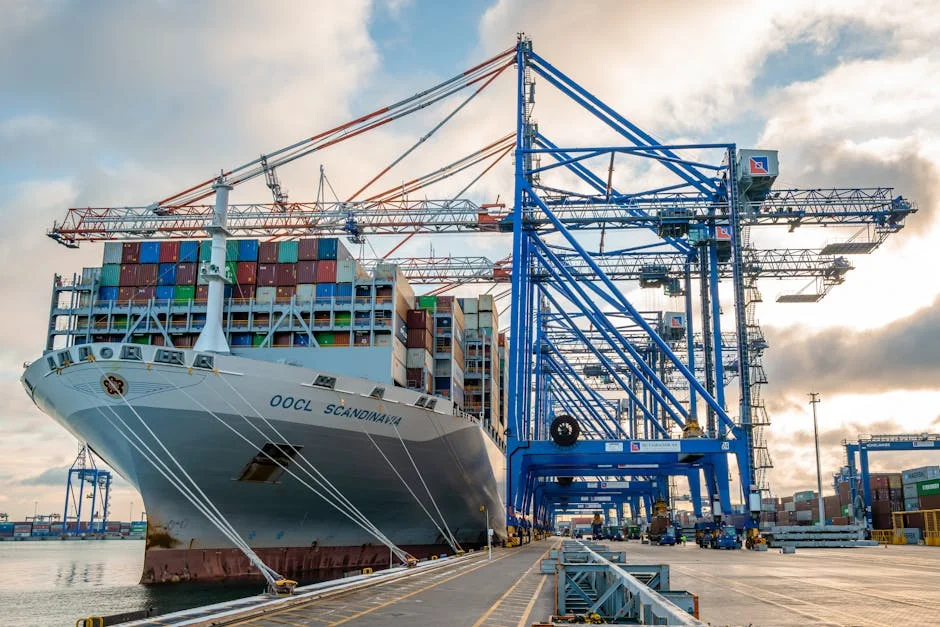
For Volkswagen Group Africa, the Kariega plant serves as the company's primary production base on the continent. The factory exports vehicles to more than 40 African markets, including Nigeria, Kenya, and Ghana. That reach matters: across Africa, import tariffs on fully assembled vehicles remain high, making local production increasingly attractive for automakers seeking market access.
The Supplier Network Effect
The impact extends well beyond the factory gates. Volkswagen's local supplier requirements have catalysed the development of an automotive components industry in the Eastern Cape. Companies producing seat assemblies, wiring harnesses, and plastic components have established operations nearby, creating a cluster that other manufacturers are now eyeing.
Eastern Cape Provincial Government officials have pointed to the Volkswagen plant as a cornerstone of their industrial development strategy, which aims to position the region as a low-cost manufacturing base serving continental and global markets.
Continental Ambitions and the Road Ahead
Volkswagen Group Africa has made no secret of its continental ambitions. The company has previously outlined plans to increase its African market share significantly over the next decade, with production capacity expansion a key pillar of that strategy. The one million Polo achievement provides concrete evidence that the Kariega plant can deliver at scale.
Competition on the continent is intensifying. Kenya has been developing its own automotive assembly capabilities, while Morocco has emerged as a major export-oriented production hub for several European brands. Nigeria's recent push to restart domestic vehicle assembly — including investments from companies like Stallion Motors — adds another layer of complexity to the regional landscape.
For South Africa to maintain its edge, analysts suggest the country must address persistent challenges: unreliable power supply, skills gaps in advanced manufacturing, and the need for greater localisation of components currently imported from Asia and Europe.
Why This Milestone Matters for Development Goals
Industrialisation sits at the heart of Africa's development agenda. The African Continental Free Trade Area aims to boost manufacturing across the continent, and automotive production is frequently cited as a sector with strong spillover potential. When a factory like Kariega operates at scale, the ripple effects touch skills development, infrastructure investment, and technology transfer.
Volkswagen's footprint in the Eastern Cape illustrates how deliberate policy can attract anchor employers. South Africa's Automotive Production and Development Programme offers manufacturers incentives tied to local content requirements, helping to build indigenous capability alongside foreign investment.
The one million Polo milestone also signals something harder to quantify: proof that Africa can compete on quality and efficiency, not just low labour costs. As the global automotive industry grapples with shifting supply chains and geopolitical disruptions, manufacturers are reconsidering where and how they produce. The Kariega plant's performance makes a quiet case for the continent.
What Comes Next at Kariega
Volkswagen has indicated it will use the milestone to signal continued commitment to the South African operation. Workers at the plant received recognition bonuses, and company executives have hinted at future model additions to the production lineup, though specific details remain under wraps pending formal announcement.
The plant's next phase of development will likely focus on increasing the proportion of locally sourced components. Currently, many key parts — including certain electronics and powertrain elements — still arrive from overseas suppliers. Closing that gap would deepen the economic benefits for the Eastern Cape and reduce the plant's exposure to currency fluctuations and shipping disruptions.
Watch for an official announcement from Volkswagen Group Africa in the coming months regarding planned investments in new models or expanded supplier development programmes. The one million mark is not an endpoint but a waypoint in what the company has positioned as a long-term bet on African manufacturing.
See Also
- Power Outage Delays Bellarmine Mugabe’s Bail Application — what it means for Zimbabwe
- IOC Excludes Trans Women From Games — Rights Groups Condemn Decision
What is the latest news about volkswagens south africa plant hits one million polo cars and plans are already growing?
Why does this matter for economy-business?
What are the key facts about volkswagens south africa plant hits one million polo cars and plans are already growing?