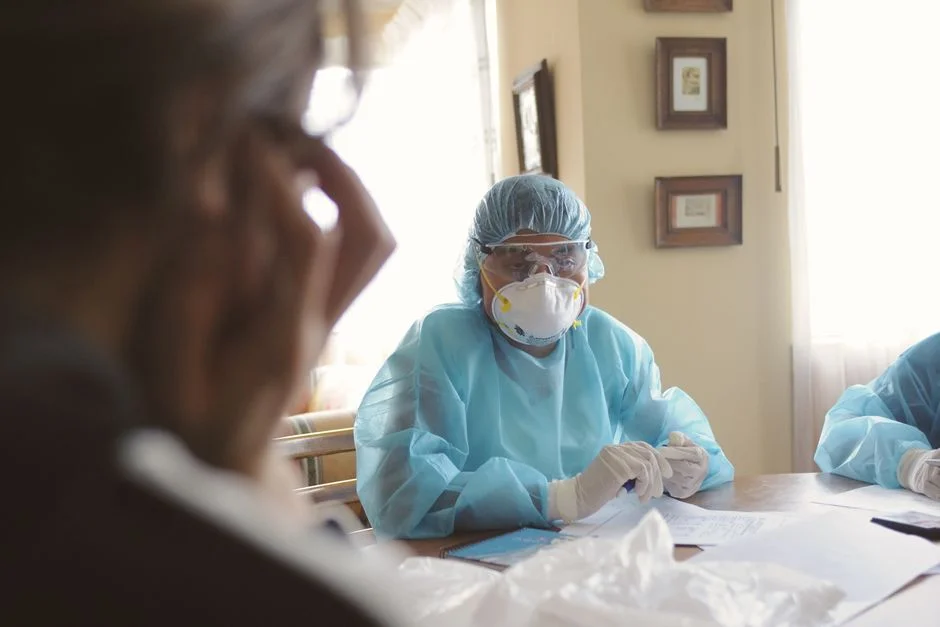
The High Court in Nairobi has blocked plans for the establishment of a U.S.-backed Ebola quarantine unit in Kenya, citing public health concerns on Tuesday. The ruling follows widespread apprehension among Kenyans about potential risks associated with foreign facilities treating infectious diseases.
Background on the Quarantine Unit
The proposed Ebola quarantine unit, part of a collaboration between the U.S. Centers for Disease Control and Prevention (CDC) and the Kenyan Ministry of Health, aimed to strengthen the country’s preparedness against potential outbreaks. The project's goal was to enhance healthcare infrastructure, particularly in light of the Ebola crisis that has sporadically affected several African nations.

However, local groups, including the Kenyatta National Hospital Workers' Union, raised alarms over the facility's implications, questioning the adequacy of safeguards against outbreaks and the transparency of the project's funding. Last week, the court heard that the quarantine unit could inadvertently expose patients and health workers to the virus.
Judicial Ruling and Its Implications
On October 17, 2023, the court issued its ruling, which highlighted the need for thorough public consultations before implementing such significant health initiatives. The decision aligns with increasing calls for greater involvement of local communities in health policy decisions, reflecting a growing awareness of governance issues in public health.
The Health Ministry has stated it respects the court's decision and is committed to ensuring that citizens' health and safety remain a priority. The court's intervention has sparked a debate about how foreign aid and expertise should be integrated into local health systems without compromising public trust.
Continental Challenges and Opportunities
This ruling carries broader implications for Africa’s public health sector. Many countries struggle with the ramifications of previous health crises and are wary of foreign involvement, which sometimes lacks transparency. The situation in Kenya reflects an ongoing challenge across the continent: balancing international support with national sovereignty and public safety.
Moreover, increasing scrutiny of international health projects could pave the way for innovative solutions driven by local expertise. African nations are now more inclined to develop their public health policies, which could lead to sustainable improvements in healthcare delivery and infrastructure.
The Role of Community Engagement
Community engagement is vital for successful health interventions. Recent surveys reveal that 67% of Kenyans believe more public dialogue is necessary on health initiatives. This sentiment is echoed in other African countries, where the need for participatory governance has become evident.
In Kenya, local health workers have called for the establishment of a framework that includes community input in health decisions. Enhancing dialogue can build trust and ensure that public health initiatives align with the needs of local populations.
Future of U.S.-Kenya Health Partnerships
The suspension of the U.S. quarantine unit raises questions about the future of health partnerships between the U.S. and Kenya. While collaborative initiatives can bolster health systems, they must be approached with sensitivity to local concerns.
Health officials from both countries are expected to engage in discussions on alternative arrangements that consider Kenyan public opinion more closely. This may lead to revised proposals that incorporate local insights while still advancing the objectives of epidemic preparedness.
Key Takeaways and Next Steps
This court ruling marks a critical moment for health governance in Kenya. As the government and health experts reassess their strategies, stakeholders will be watching closely to see how they address the challenges raised by the court. Future proposals must emphasise community involvement and transparent dialogue.
In the coming months, Kenyans will seek assurances that their health concerns are being prioritised in any forthcoming health policy discussions. The High Court’s decision may very well shape the landscape of health collaborations across the continent, advocating for a model that respects local contexts and enhances public health outcomes.
See Also
- UK Pub Collapse Sends Warning to African Hospitality Sector
- UNICEF Warns of $380bn Education Loss in Africa by 2050
This may lead to revised proposals that incorporate local insights while still advancing the objectives of epidemic preparedness.Key Takeaways and Next StepsThis court ruling marks a critical moment for health governance in Kenya. Recent surveys reveal that 67% of Kenyans believe more public dialogue is necessary on health initiatives.