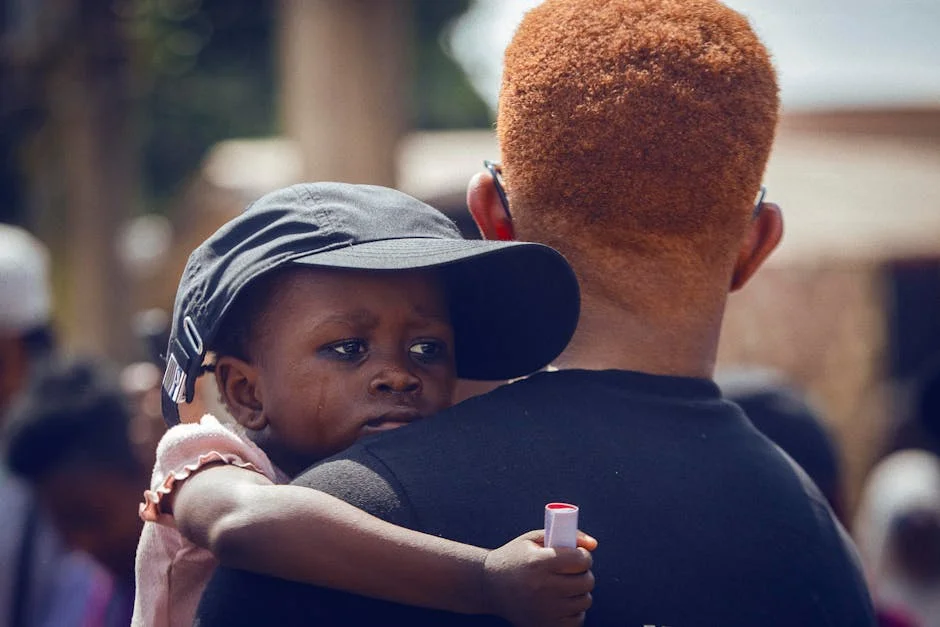
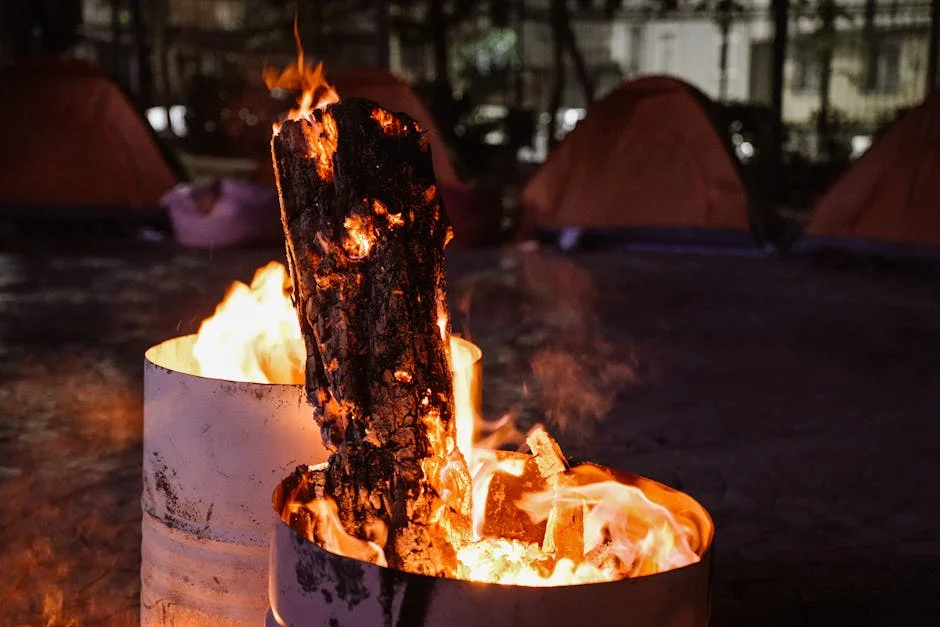
A devastating fire at a school in the western Kenyan town of Kakamega has left several students feared dead, prompting urgent calls for accountability from concerned parents and local authorities. The blaze erupted late on Thursday evening, engulfing the school's dormitories and classrooms before firefighters could contain it.
Alarming Statistics of Casualties
As rescue operations continue, local reports suggest that at least five students may have perished in the incident, although exact numbers are yet to be confirmed. Kenyan police and emergency services are working tirelessly to ascertain more details, but the scale of the tragedy has already sent shockwaves through the community.
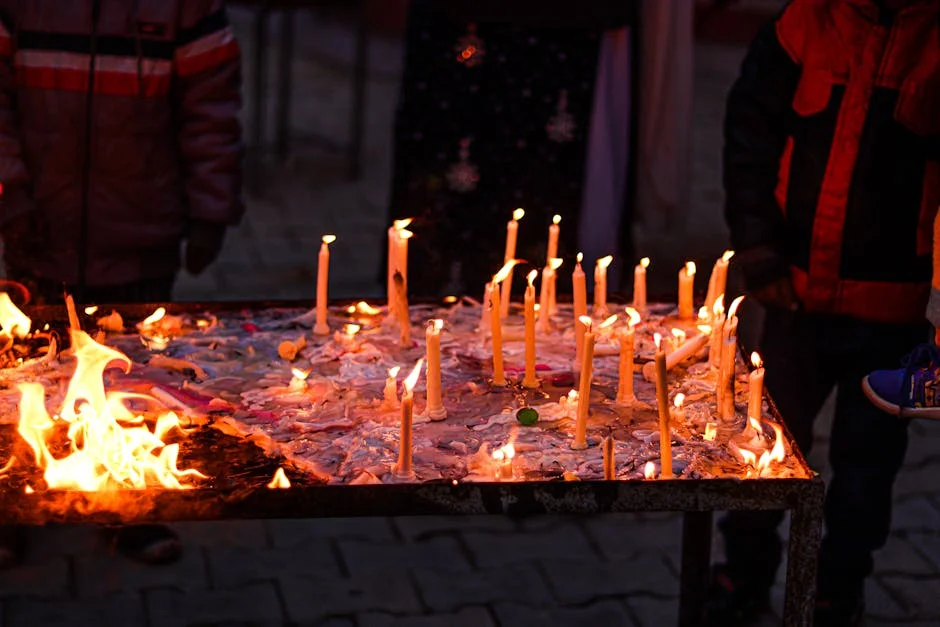
The Kakamega School Fire highlights serious issues surrounding the safety standards in educational institutions across the country. Many schools struggle with outdated infrastructure, making them vulnerable to such disasters.
Government Response Under Scrutiny
The Kenyan Ministry of Education has announced that it will launch a full investigation into the fire, promising swift action against any negligence that may have contributed to the tragedy. Education Cabinet Secretary Ezekiel Machogu stated, "We will not compromise on the safety of our children; every school must adhere to safety regulations and protocols to prevent such tragedies in the future."
This incident is not isolated; it raises broader concerns about governance and oversight in the country's educational sector. The government has been called upon to reassess and enforce building codes in schools nationwide.
Community Reactions and Calls for Action
In the wake of the incident, Kakamega residents have expressed their outrage, demanding that the government take immediate steps to improve safety measures in schools. Local leaders have met with parents to discuss plans for advocacy aimed at ensuring that all schools are equipped with adequate fire safety systems.
Parents have been particularly vocal, with many stating they are unwilling to send their children back to schools lacking essential safety features. “Our children deserve to learn in a safe environment. The government must act now,” said John Mwangi, a parent whose child attends a nearby school.
Potential Impact on Educational Development Goals
This tragic event poses a significant threat to Kenya’s educational development goals, as safety in schools is crucial for fostering an environment conducive to learning. According to the United Nations, at least 1.5 million children in Kenya are enrolled in schools that do not meet basic safety standards.
The situation calls for urgent reforms, particularly in light of the African Union's Agenda 2063, which aims to ensure inclusive and equitable quality education for all. The incident starkly illustrates the gap between policy commitments and actual safety outcomes.
Infrastructure Challenges in the Region
The school fire also brings into focus broader challenges related to infrastructure development across Kenya. Many public institutions, especially in rural areas, lack the necessary resources to ensure safety and security for their students.
Investment in education infrastructure remains crucial not only for safety but also for improving overall educational outcomes. Without substantive changes, the risk of further tragedies looms large.
What Comes Next?
As investigations unfold, the community and the nation will be watching closely. The government must take decisive action to address the shortcomings in school safety and infrastructure. Upcoming meetings and reforms will be pivotal in shaping future policies directed at preventing incidents like the Kakamega tragedy.
While this tragedy unfolds, it is imperative for stakeholders to come together and forge a pathway towards safer educational environments, ensuring that no child in Kenya has to face such a harrowing experience again. The urgency for change could not be clearer.
See Also
- Five Police Injured in Blast at Challapalli Station — Safety Concerns Rise
- The Conversation Africa reveals barriers to women’s wealth in Nigeria — and how to break them
The government must act now,” said John Mwangi, a parent whose child attends a nearby school.Potential Impact on Educational Development GoalsThis tragic event poses a significant threat to Kenya’s educational development goals, as safety in schools is crucial for fostering an environment conducive to learning. See AlsoFive Police Injured in Blast at Challapalli Station — Safety Concerns RiseThe Conversation Africa reveals barriers to women’s wealth in Nigeria — and how to break them