Egypt stands on the brink of a historic sporting achievement as the nation gears up for the 2026 FIFA World Cup qualifiers. The Pharaohs are not merely chasing a trophy; they are leveraging football to drive broader economic and infrastructural development across North Africa. This campaign represents a strategic opportunity for African nations to showcase how sports can catalyze growth beyond the pitch.
Strategic Investment in Football Infrastructure
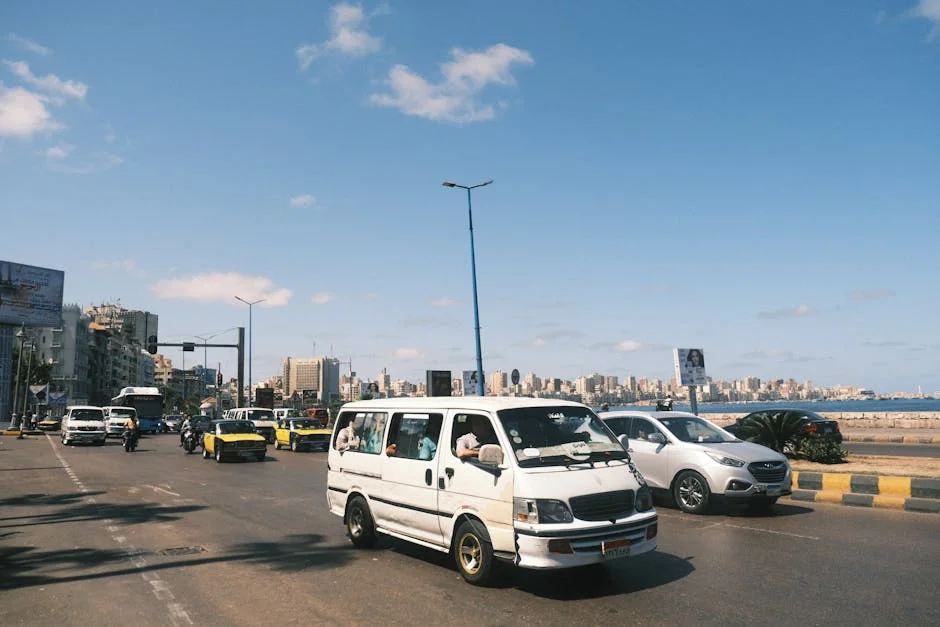
The Egyptian government has identified football as a key pillar of its national development strategy. Recent investments in stadiums and training facilities in Cairo and Alexandria signal a shift toward modernizing the continent's sporting assets. These upgrades are essential for hosting international matches and attracting foreign direct investment in the sports sector.
Infrastructure development in sports aligns with broader African Union goals for continental integration. Modern stadiums serve as multi-purpose hubs that can host conferences, concerts, and cultural events, thereby boosting local economies. This approach mirrors successful models seen in other emerging markets where sports infrastructure drives urban renewal.
However, the challenge remains ensuring that these facilities are sustainable and not just white elephants. Maintenance costs and utilization rates are critical factors that determine the long-term viability of such projects. African nations must learn from past mistakes where lack of planning led to underused venues years after their construction.
Urban Development and Sports Hubs
In Cairo, the new sports complex is designed to integrate with public transportation networks. This integration aims to reduce traffic congestion and improve accessibility for fans and athletes alike. Such urban planning considerations are vital for maximizing the economic return on sports infrastructure investments.
The government has also announced plans to build training centers in secondary cities. This decentralization strategy seeks to spread economic benefits and discover talent from diverse regions. By bringing world-class facilities to smaller cities, Egypt hopes to create a more inclusive football ecosystem.
Mo Salah’s Role in Driving Commercial Growth
Mohamed Salah continues to be the face of Egyptian football, drawing global attention to the African game. His performances for Liverpool and the national team have created significant commercial opportunities for brands looking to penetrate the African market. Sponsorship deals and merchandise sales have surged, contributing to the growing sports economy in Egypt.
Salah’s influence extends beyond the pitch, inspiring a new generation of African athletes. Young players in Lagos, Nairobi, and Addis Ababa look up to him as a blueprint for success. This inspiration translates into increased participation in grassroots football, which strengthens the talent pipeline for future World Cups.
Commercial growth in sports requires strategic branding and marketing. Egyptian companies are learning to leverage the national team’s visibility to boost their own profiles. This trend is encouraging more local businesses to invest in sports marketing, creating a vibrant ecosystem of sponsors, agents, and media partners.
Challenges Facing African Football Development
Despite the optimism, African football faces several structural challenges. Inconsistent governance and financial mismanagement in national associations often hinder progress. These issues need to be addressed to ensure that investments translate into tangible improvements on the pitch.
Another challenge is the competition from European leagues for African talent. Many top players move to Europe at a young age, sometimes leaving their national teams for extended periods. This brain drain can affect team cohesion and performance during crucial qualifying matches.
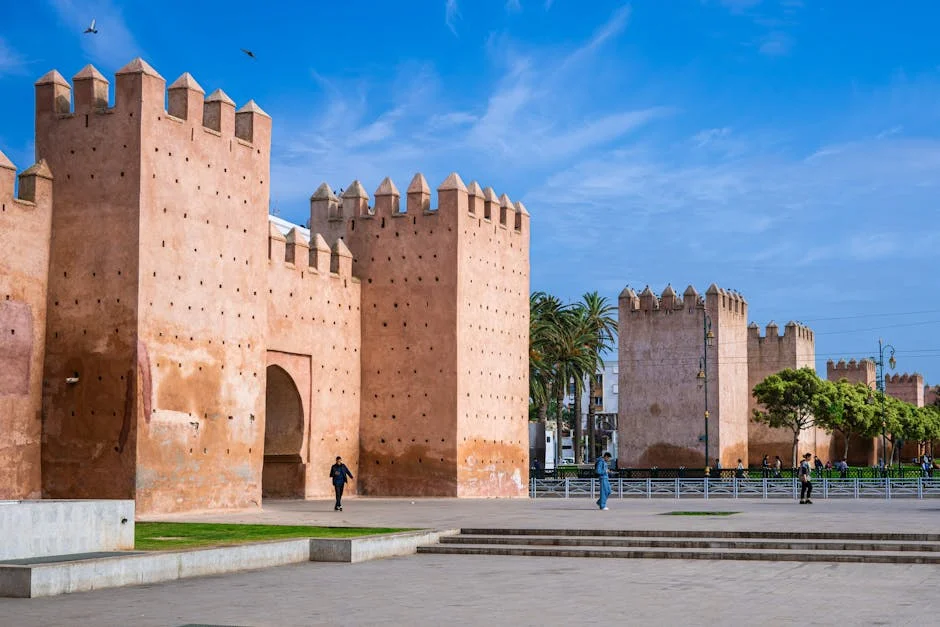
Infrastructure gaps also persist in many African countries. While Egypt and Morocco have made strides, other nations struggle with basic facilities. This disparity creates an uneven playing field, where some teams have more resources to prepare for international competitions than others.
Economic Opportunities in the African Sports Sector
The 2026 World Cup presents a unique economic opportunity for African nations. Tourism revenue is expected to increase as fans travel to watch matches in Egypt and neighboring countries. Hotels, restaurants, and transport services stand to benefit from the influx of visitors during the tournament.
Media rights and broadcasting deals also offer significant financial gains. As the global audience for African football grows, broadcasters are willing to pay premium prices for coverage. This revenue can be reinvested into grassroots development, creating a virtuous cycle of growth.
Local businesses can capitalize on the event by offering tailored products and services. From souvenirs to hospitality packages, there are numerous avenues for entrepreneurs to profit. The key is to plan ahead and align offerings with the preferences of both local and international fans.
Regional Collaboration and Continental Unity
The success of Egypt’s campaign can inspire greater collaboration among African football associations. Shared resources, joint training camps, and coordinated marketing efforts can strengthen the continent’s overall performance. This unity is essential for competing with established powerhouses in Europe and South America.
Regional leagues and tournaments also play a role in fostering competition and talent development. Events like the CAF Champions League provide platforms for African clubs to showcase their strength. These competitions help to raise the standard of play and attract international attention.
Pan-African initiatives can also address common challenges such as governance and infrastructure. By working together, African nations can pool expertise and resources to solve shared problems. This collaborative approach is vital for achieving long-term sustainability in the continent’s football landscape.
What to Watch in the Qualifying Stages
The upcoming qualifying matches will be critical in determining Egypt’s path to the 2026 World Cup. Fans and analysts will be closely monitoring team selection, tactical adjustments, and player fitness. Each game presents an opportunity to gain momentum or suffer a setback.
Key rivals in the group stage will also be under scrutiny. Their form and performance will directly impact Egypt’s chances of advancing. Understanding the strengths and weaknesses of these competitors is essential for strategic planning and match preparation.
As the qualifiers progress, the focus will shift to consistency and resilience. The team that maintains its form and adapts to challenges will likely emerge as the group winner. The journey to the World Cup is a marathon, not a sprint, and endurance will be a defining factor.
Future Prospects for African Football
The 2026 World Cup is just one step in the long-term development of African football. Continued investment in infrastructure, governance, and grassroots programs will be necessary to sustain progress. African nations must view football as a dynamic sector that requires ongoing attention and innovation.
Emerging technologies also offer new opportunities for growth. Data analytics, virtual reality, and digital streaming can enhance the fan experience and improve player performance. Embracing these innovations can help African football stay competitive in the global arena.
Looking ahead, the continent must aim for more than just occasional victories. The goal should be to establish a consistent presence in the top tiers of world football. This ambition requires a holistic approach that combines sporting excellence with economic and social development.
Readers should monitor the Egyptian team’s performance in the next qualifying match scheduled for early 2025. This game will provide valuable insights into the team’s readiness and tactical direction. Stay tuned for updates on how this campaign influences broader African sports development.
See Also
- Nigeria's Appeal Court Invalidates PDP's Ibadan Convention: Turaki Faction Fined
- Nairobi Court Charges Two Men with Illegal Ant Trade