Nonkululeko Dlamini-Zuma has issued a sharp critique of South Africa’s social fabric, arguing that a pervasive sense of exceptionalism is fueling xenophobic tensions across the nation. The former First Lady stated that many citizens operate under the illusion that their country exists in a vacuum, detached from the broader African continent. Her remarks come at a critical juncture for regional integration, as economic pressures and political shifts threaten to unravel decades of diplomatic progress.
Rising Tensions in the Southern Powerhouse
Xenophobia in South Africa has evolved from sporadic outbreaks into a structural challenge that tests the limits of African solidarity. Incidents in major urban centers like Johannesburg and Cape Town have shown how quickly economic anxiety can translate into violence against foreign nationals. These attacks are not merely social friction; they represent a direct assault on the open-border ideals that underpin the African Continental Free Trade Area (AfCFTA).
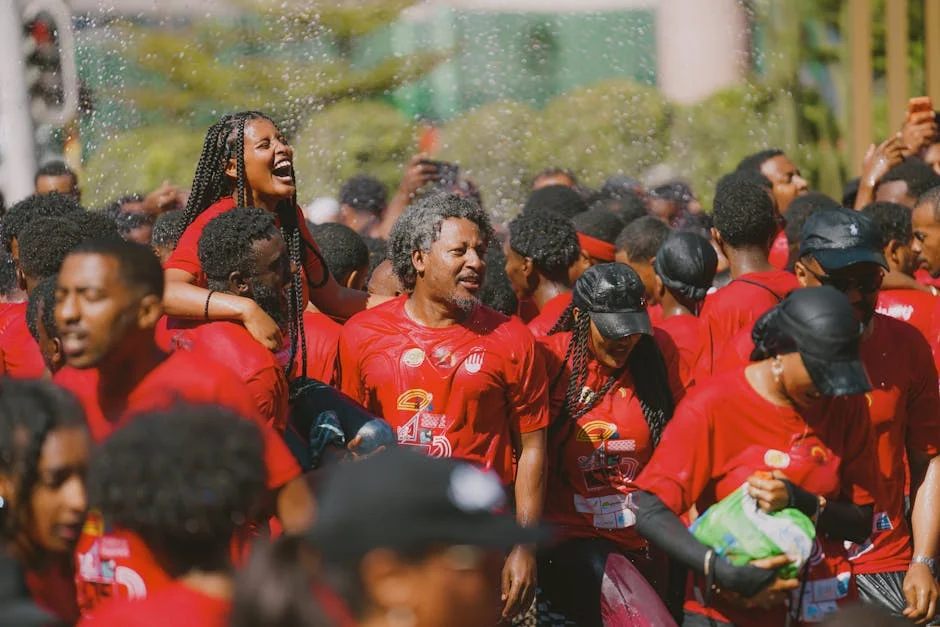
The economic reality on the ground drives much of this unrest. Unemployment rates in South Africa hover near 35 percent, creating a fierce competition for jobs and resources. When local workers feel squeezed by incoming labor from Nigeria, Ghana, and Zimbabwe, the resulting friction often boils over into street protests and shop burnouts. This dynamic undermines the very foundation of economic growth that the African Union seeks to cultivate.
Dlamini-Zuma’s intervention highlights the urgency of addressing these root causes. She argued that the narrative of South African superiority is a historical construct that no longer serves the country’s developmental goals. By clinging to an isolated identity, the nation risks alienating its closest economic partners and investors. This isolationism creates a barrier to the fluid movement of goods and people that is essential for a thriving continental economy.
The Myth of African Exceptionalism
The core of Dlamini-Zuma’s argument challenges the psychological distance many South Africans feel from their continental neighbors. She noted that this mindset creates a blind spot regarding shared historical struggles and future opportunities. When citizens believe they are not truly "in Africa," they are less likely to invest in the relationships and policies that bind the continent together.
Erosion of the AfCFTA Vision
The African Continental Free Trade Area relies heavily on trust and mutual recognition between member states. If South Africa, the continent’s most industrialized economy, succumbs to internal fragmentation, the entire project faces significant headwinds. Trade agreements are only as strong as the social cohesion that supports them. Without a unified vision, tariffs and quotas will remain the least of the problems facing African exporters.
This psychological barrier also affects governance and policy-making. Leaders may prioritize domestic appeasement over continental diplomacy, leading to protectionist measures that stifle growth. The African Union has long advocated for a single market for goods and services, but this requires a cultural shift that embraces neighbors as partners rather than competitors. Dlamini-Zuma’s call for unity is essentially a call to realign national identity with continental reality.
The consequences of ignoring this divide are already visible. Foreign direct investment in South Africa has fluctuated due to political uncertainty and social unrest. Investors look for stability and predictability, and persistent xenophobic tensions signal a lack of social contract. This uncertainty can deter capital from other African nations as well, creating a ripple effect that slows down development across the region.
Historical Context and Current Realities
South Africa’s journey from apartheid to democracy was built on the promise of a new Africa. The country positioned itself as the gateway to the continent, leveraging its infrastructure and financial systems to drive growth. However, the pace of domestic transformation has often outstripped that of its neighbors, creating a perception gap. This gap has been exploited by political actors who use the "outsider" as a convenient scapegoat for domestic failures.
Historical precedents show that xenophobia is rarely new, but its intensity varies with economic conditions. During periods of boom, foreign workers are seen as assets; during recessions, they become liabilities. The current economic climate in South Africa is characterized by a "jobless recovery," where GDP grows but employment stagnates. This structural issue demands a more nuanced approach to immigration and trade policy, one that integrates rather than excludes.
The role of media and education in shaping this narrative cannot be overlooked. If the curriculum and daily news cycle emphasize difference over similarity, the social fabric weakens. Dlamini-Zuma’s comments suggest a need for a renewed educational and media effort to highlight shared African heritage and mutual economic interests. This is not just about feeling; it is about recognizing the practical benefits of continental unity.
International observers have noted that South Africa’s internal cohesion is vital for the broader African project. The country hosts the African Union’s main diplomatic missions and serves as a financial hub. If the social contract within South Africa fractures, the logistical and diplomatic backbone of the union is compromised. This makes the issue of xenophobia a matter of continental security, not just local social policy.
Development Goals Under Threat
The African Union’s Agenda 2063 outlines a vision for an integrated, prosperous, and peaceful Africa. This agenda depends on the free movement of people, capital, and goods. Xenophobic tensions in South Africa directly contradict these goals by creating barriers to movement and fostering distrust. When a worker from Kenya faces violence in Johannesburg, the promise of a borderless Africa feels distant and fragile.
Infrastructure development also suffers when social cohesion is low. Major projects like the Gautrain or the Maputo Corridor rely on a stable labor force and consumer base. If foreign investors and workers feel unsafe, the utilization rates of these assets drop. This inefficiency slows down the return on investment and delays further development projects. The economic cost of social fragmentation is therefore both immediate and long-term.
Health and education systems are also impacted. In cities like Durban, the influx of patients and students from neighboring countries puts pressure on public services. While this can drive innovation and diversity, it also creates competition for resources. If not managed with a pan-African perspective, these systems can become flashpoints for conflict. Dlamini-Zuma’s call for unity implies a need for better resource planning that accounts for regional demographics.
The economic interdependence of African nations means that a crisis in one country quickly becomes a crisis for its neighbors. South Africa’s retail sector, for example, relies heavily on consumers from Lesotho and Eswatini. If xenophobic sentiments drive these consumers away, the South African economy takes a hit. This interconnectedness should serve as a powerful incentive for greater social harmony and policy coordination.
Pathways to Continental Unity
Addressing xenophobia requires more than just political rhetoric; it demands concrete policy changes. Governments must implement integration programs that help foreign workers contribute to and benefit from local economies. This includes recognizing qualifications, streamlining visa processes, and ensuring fair labor practices. These steps can transform the perception of foreigners from burdens to assets.
Education plays a critical role in shaping long-term attitudes. Schools and universities across South Africa should emphasize the shared history and economic potential of the continent. By fostering a pan-African identity from a young age, societies can reduce the "othering" that fuels xenophobia. This educational shift is essential for sustaining the political will needed for deeper integration.
Private sector leadership is also crucial. Companies operating in South Africa can set standards for diversity and inclusion that go beyond legal requirements. By actively hiring and promoting foreign talent, businesses can demonstrate the economic value of a diverse workforce. This practical demonstration of unity can have a ripple effect on public opinion and policy-making.
Diplomatic engagement between South Africa and its neighbors must be intensified. Regular summits and bilateral agreements can help address specific grievances and foster cooperation. When leaders from Lagos, Nairobi, and Pretoria work together, it sends a powerful message to their citizens about the benefits of unity. This top-down approach must be matched by grassroots efforts to build personal connections between communities.
The path forward is clear but requires sustained effort. South Africa must recognize that its prosperity is tied to the prosperity of the continent. By embracing its African identity, the nation can lead by example and help drive the continental development agenda. This is not just a social imperative; it is an economic necessity for the future of Africa.
The next few months will be critical in testing the resolve of South African leaders. With upcoming elections and potential shifts in trade policies, the pressure to address xenophobia will only intensify. Observers will be watching to see if political promises translate into tangible improvements in social cohesion. The outcome will have significant implications for the entire African continent.
See Also
- Shareholders Urge Continuation of Miguel Maya as BCP CEO Amidst Growth Aspirations
- Kemi Seba Arrested in South Africa Amid Benin's Extradition Request
Major projects like the Gautrain or the Maputo Corridor rely on a stable labor force and consumer base. The next few months will be critical in testing the resolve of South African leaders.
What is the latest news about dlaminizuma slams south african xenophobia urges panafrican unity?
Why does this matter for politics-governance?
What are the key facts about dlaminizuma slams south african xenophobia urges panafrican unity?