African nations are accelerating efforts to diversify their supply chains, moving beyond traditional reliance on European and Asian markets. This strategic shift aims to reduce vulnerability to global shocks and unlock the continent’s internal economic potential. Nigeria leads this continental push, leveraging its large domestic market to attract regional manufacturers and service providers.
The Urgency of Supply Chain Diversification
For decades, African economies have faced a common challenge: over-reliance on imported goods and raw material exports. This structure leaves many countries susceptible to currency fluctuations and global price swings. Disruptions in the Suez Canal or conflicts in Eastern Europe have repeatedly exposed these weaknesses. Governments across the continent now recognize that self-sufficiency requires building robust internal networks.
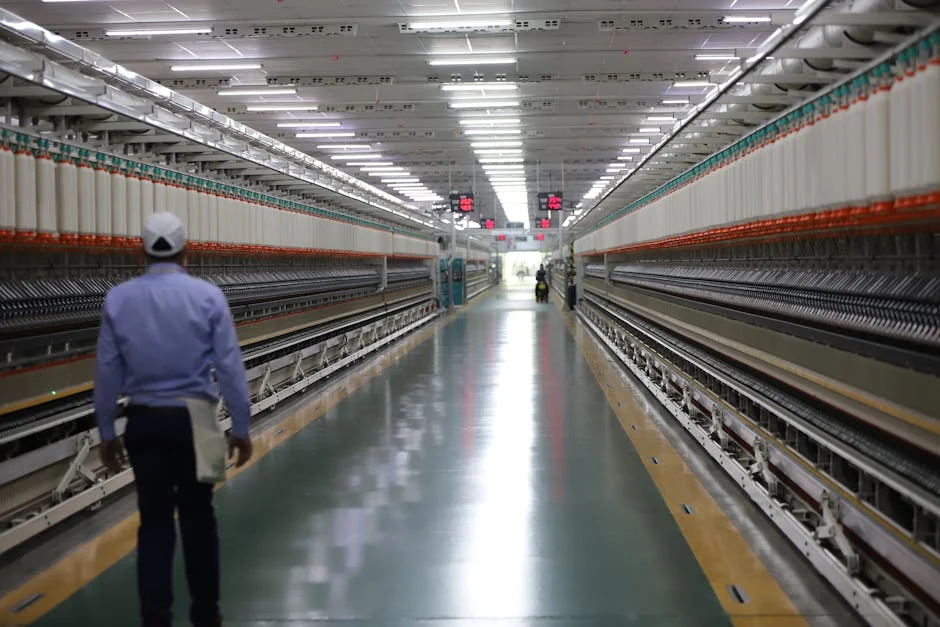
Nigeria’s economy illustrates this vulnerability clearly. The country spends billions of dollars annually on imports ranging from refined petroleum to agricultural products. High inflation rates and foreign exchange shortages have made these imports increasingly expensive for the average consumer. Policymakers in Abuja argue that reducing this import bill is essential for stabilizing the Naira and lowering the cost of living. This economic reality drives the current push for diversification.
The African Continental Free Trade Area (AfCFTA) provides the framework for this transformation. By reducing tariffs and harmonizing customs procedures, the agreement aims to create a single market for goods and services. However, implementation remains uneven across the 54 member states. Nigeria’s active participation signals a commitment to integrating its economy with its neighbors. This integration promises to open new markets for Nigerian exporters while providing cheaper inputs for local industries.
Infrastructure Gaps Hinder Progress
Despite political will, physical infrastructure remains a major bottleneck for African trade. Poor road networks and inefficient ports increase the cost of moving goods from the factory gate to the consumer. In Nigeria, the condition of federal highways directly affects the price of food in Lagos and Abuja. Truck drivers often face long delays at border crossings, which adds time and fuel costs to logistics operations.
Investment in transport infrastructure is therefore a top priority for governments. The Nigerian government has launched several initiatives to upgrade key corridors and modernize seaports. These projects aim to reduce the time it takes to clear goods from arrival to delivery. Without reliable infrastructure, the benefits of trade agreements like the AfCFTA remain theoretical. Effective infrastructure development is not just about construction; it is about creating efficiency.
Energy and Digital Connectivity
Beyond roads and ports, energy reliability plays a critical role in supply chain efficiency. Manufacturers in Nigeria often rely on diesel generators due to inconsistent grid power. This increases production costs and reduces competitiveness against imported goods. The government’s recent reforms in the power sector seek to attract private investment and stabilize electricity supply. A stable power grid would significantly lower operational costs for factories across the country.
Digital connectivity also influences modern supply chains. The rise of e-commerce and digital payment systems allows businesses to track inventory and manage logistics more effectively. Nigeria has seen rapid growth in its fintech sector, which facilitates smoother transactions between traders. Enhanced digital infrastructure enables smaller businesses to participate in regional trade. This digital leapfrogging offers a unique advantage for African economies aiming to modernize quickly.
Opportunities for Regional Manufacturing
Diversifying supply chains creates opportunities for local manufacturing to thrive. Instead of importing finished goods, African countries can source raw materials and intermediate products from within the continent. Nigeria, with its large population and growing middle class, offers a substantial market for regional manufacturers. Companies in Ghana, Kenya, and South Africa are increasingly looking at Nigeria as a key destination for their products.
This shift encourages the development of value-added industries. For example, instead of exporting raw cocoa, West African nations can process the beans into chocolate within the region. This adds value locally and creates more jobs for African workers. The Nigerian government has introduced incentives to attract foreign direct investment in manufacturing sectors. These policies aim to boost local production and reduce the reliance on finished imports.
The agricultural sector also stands to benefit from supply chain diversification. Nigeria imports significant quantities of rice, maize, and poultry. By strengthening regional trade links, the country can source these staples from neighboring countries with surplus production. This strategy can help stabilize food prices and enhance food security. Collaborative agricultural policies can lead to a more resilient food system across West Africa.
Governance and Policy Coordination
Effective governance is essential for managing the complexities of a diversified supply chain. Harmonizing policies across borders requires coordination between ministries of trade, finance, and transport. Inconsistent regulations can create barriers that negate the benefits of free trade agreements. Nigeria has worked to simplify its business environment through various reforms. These efforts include reducing the number of taxes and streamlining approval processes for businesses.
Transparency in public procurement also influences supply chain efficiency. When governments prioritize local content in their purchasing decisions, it stimulates demand for regional products. This approach supports local industries and encourages further investment. The Nigerian government has implemented local content acts in sectors like oil and gas. Similar policies in other sectors could drive growth and reduce dependency on foreign suppliers.
Corruption remains a challenge that affects the cost and reliability of trade. Streamlining customs procedures and reducing red tape can minimize opportunities for graft. Digital systems for customs declaration have shown promise in reducing delays and increasing transparency. Continued investment in institutional capacity is necessary to sustain these improvements. Strong governance ensures that the benefits of trade diversification reach the broader economy.
Health and Education as Foundational Pillars
A healthy and educated workforce is critical for a competitive economy. The health of workers directly impacts productivity and the efficiency of supply chains. The COVID-19 pandemic highlighted the need for robust health systems to minimize disruptions. Nigeria has invested in healthcare infrastructure to improve access to quality medical services. A healthier population contributes to a more stable and productive labor market.
Education equips workers with the skills needed for modern industries. Technical and vocational training programs can prepare young people for jobs in manufacturing, logistics, and technology. The Nigerian education sector is undergoing reforms to align curricula with market demands. This focus on skill development ensures that the workforce can adapt to changing economic conditions. Investing in human capital is a long-term strategy for sustainable growth.
Economic Growth and Continental Integration
Diversifying supply chains contributes to broader economic growth across Africa. By reducing import bills and boosting exports, countries can improve their balance of payments. This leads to greater currency stability and attracts foreign investment. Nigeria’s economic diversification efforts are part of a larger continental strategy. The success of these initiatives depends on sustained political commitment and effective implementation.
The potential for intra-African trade is vast but underutilized. Currently, only a fraction of Africa’s total trade occurs within the continent. Increasing this share can lead to economies of scale and reduced transportation costs. Collaborative efforts among African nations can create synergies that benefit all participants. The African Union and regional economic communities play key roles in coordinating these efforts. Unified action strengthens the continent’s position in the global economy.
What to Watch Next
Readers should monitor the implementation timelines of the AfCFTA protocols. The upcoming reviews of national policy frameworks will reveal how committed governments are to reducing non-tariff barriers. Attention should also be paid to infrastructure project milestones in Nigeria and neighboring countries. Progress on key road and rail links will directly impact trade costs and efficiency. The next fiscal budget announcements will indicate government spending priorities in these critical sectors.
See Also
- Deadly Russian Strikes on Kyiv: Implications for African Development Goals
- Pakistan Women Crush Zimbabwe in T20 Opener
What is the latest news about nigeria forces supply chain shift amid africa trade push?
Why does this matter for technology-innovation?
What are the key facts about nigeria forces supply chain shift amid africa trade push?