South Sudan faces a critical juncture as the town of Akobo reports early signs of an Ebola outbreak, exposing the fragility of the continent’s most vulnerable health systems. This development threatens to reverse years of progress in public health and economic stability in the Nile Basin. The situation demands immediate continental attention, as the virus does not respect borders or bureaucratic delays.
Outbreak Confirmed in Upper Nile Region
Health officials in Juba have confirmed that Akobo, a key town in the Upper Nile state, is grappling with a potential Ebola resurgence. The World Health Organization (WHO) deployed rapid response teams to the area within 48 hours of the initial case notification. This swift action is crucial, yet it highlights how reactive rather than proactive the regional health infrastructure remains.
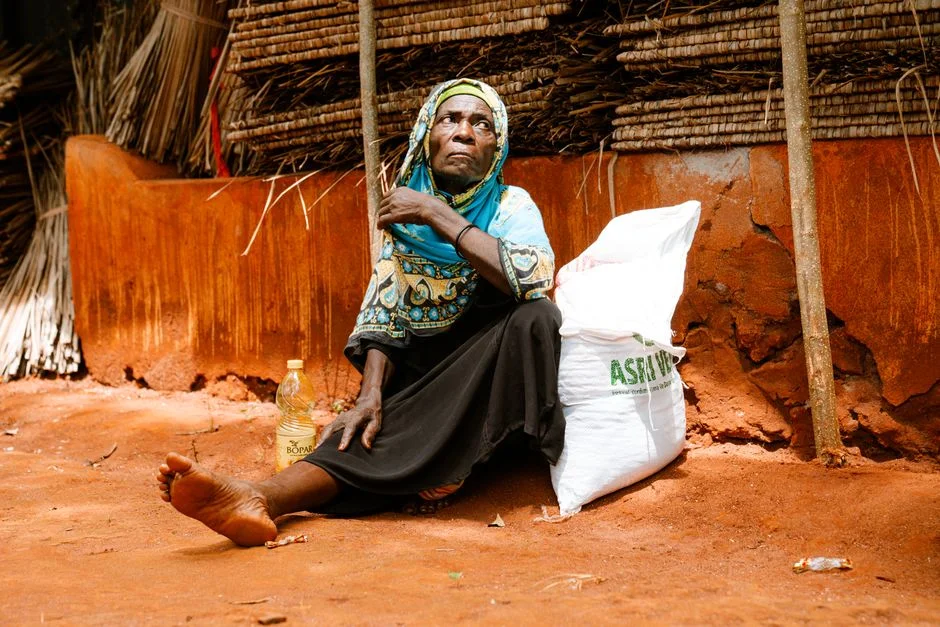
The virus, known for its high mortality rate and rapid transmission, has already claimed several lives in the preliminary phase. Local clinics are overwhelmed, with medical supplies running low and healthcare workers facing exhaustion. The lack of basic protective equipment in some rural centers exacerbates the risk of secondary infections among the medical staff.
This outbreak is not an isolated incident but a symptom of deeper structural weaknesses. South Sudan’s health system has been under constant pressure since the civil war began in 2013. The conflict disrupted supply chains, displaced millions, and drained the national budget, leaving little room for robust disease surveillance. The current crisis in Akobo serves as a stark reminder of these unresolved challenges.
The Link Between Hunger and Viral Spread
A critical factor in the rapid spread of Ebola in Akobo is the intersection of hunger and disease. Malnutrition weakens the immune system, making individuals more susceptible to viral infections. In South Sudan, food insecurity affects over 60% of the population, creating a fertile ground for outbreaks. The term "Ebola Risk Hunger" captures this dangerous synergy, where starvation and sickness feed into each other.
How Malnutrition Fuels the Virus
When communities are hungry, they often rely on bushmeat as a primary protein source. This practice increases contact with reservoir hosts, such as fruit bats and primates, which are common carriers of the Ebola virus. In Akobo, the depletion of traditional food sources has forced families to venture deeper into forests, increasing their exposure to the virus. This behavioral shift is a direct consequence of economic hardship and environmental pressure.
Furthermore, malnourished bodies struggle to fight off the virus, leading to higher mortality rates and prolonged infectious periods. Children and the elderly are particularly vulnerable. The health ministry in Juba has noted that a significant percentage of confirmed cases in Akobo are among those suffering from acute malnutrition. This data underscores the need for an integrated approach that addresses both food security and public health.
Continental Implications for African Development
The Ebola situation in South Sudan has far-reaching implications for African development goals. The African Union’s Agenda 2063 emphasizes health and social progress as pillars of continental integration. However, outbreaks like the one in Akobo threaten to derail these ambitions. They divert resources from education, infrastructure, and economic diversification, trapping nations in a cycle of crisis management.
For neighboring countries, the risk is palpable. The East African Community (EAC) and the Intergovernmental Authority on Development (IGAD) have activated emergency protocols to monitor cross-border movements. Nigeria, as a key economic powerhouse on the continent, must also remain vigilant. The globalized nature of trade and travel means that a localized outbreak can quickly become a regional threat. The lessons from the 2014 West Africa Ebola epidemic remain relevant, showing how quickly the virus can spread if not contained early.
This crisis also highlights the disparity in health infrastructure across Africa. While countries like Rwanda and Ghana have made significant strides in health system strengthening, others like South Sudan lag behind. Bridging this gap requires coordinated investment, knowledge sharing, and political will. The African Development Bank (AfDB) has called for increased funding for health resilience, emphasizing that health is not just a social sector but an economic imperative.
Economic Costs of Health Crises
The economic impact of the Ebola outbreak in Akobo is already being felt. Local markets have slowed down as traders and consumers exercise caution. The tourism sector, a potential growth engine for South Sudan, faces renewed uncertainty. Investors are hesitant to commit capital to a region perceived as unstable, leading to a stagnation in job creation and revenue generation.
Global health economists estimate that every dollar spent on preparedness saves up to ten dollars in response and recovery costs. However, South Sudan has historically underinvested in health preparedness. The current outbreak serves as a costly lesson. The national budget must be reallocated to prioritize health, but this requires difficult political choices and efficient governance. Corruption and mismanagement can easily dilute these efforts, making transparency a key component of the response.
For the broader African continent, the message is clear. Health crises are economic shocks. They disrupt labor productivity, reduce consumer spending, and increase government debt. The International Monetary Fund (IMF) and the World Bank have begun to factor health resilience into their lending criteria for African nations. This shift recognizes that a healthy population is the foundation of a robust economy.
Regional Cooperation and Governance
Effective response to the Ebola threat in Akobo requires strong regional cooperation. The IGAD has established a task force to coordinate efforts among member states. This includes sharing data, harmonizing border controls, and pooling resources for medical supplies. Such collaboration is essential, as no single country can tackle the virus in isolation. The success of this cooperation will serve as a model for future health emergencies in the region.
However, governance challenges remain. In South Sudan, political fragmentation can hinder the implementation of health policies. Local authorities in Akobo need to work closely with the central government in Juba to ensure a unified response. Community engagement is also critical. Trust between the people and the health system determines whether individuals seek treatment early or hide their symptoms, which can fuel the spread of the virus.
The role of non-governmental organizations (NGOs) is also significant. Groups like the Red Cross and Doctors Without Borders have extensive experience in Ebola response. Their presence in Akobo provides much-needed expertise and resources. However, reliance on NGOs can also mask the weaknesses of the national health system. The goal should be to build local capacity, ensuring that the country can handle future outbreaks with less external aid.
Lessons for Nigeria and West Africa
Nigeria, the most populous nation in Africa, can draw valuable lessons from the situation in South Sudan. The country has faced its own Ebola challenges, most notably in 2014 when Lagos was declared free of the virus after a rigorous response. That experience showed the importance of early detection, isolation, and community engagement. These strategies are now being applied in Akobo, with some success.
For Nigeria, the key takeaway is the need for sustained investment in health infrastructure. The recent health sector reform plans in Abuja aim to improve primary healthcare and disease surveillance. These efforts are crucial, but they must be maintained even after immediate crises subside. The "Ebola Risk Hunger" dynamic is not unique to South Sudan. In parts of Nigeria, food insecurity also affects health outcomes, making an integrated approach necessary.
Furthermore, Nigeria’s role as a regional leader means it must support its neighbors. Through the Economic Community of West African States (ECOWAS) and the African Union, Nigeria can advocate for greater health funding and coordination. Sharing best practices and resources can strengthen the entire continent’s resilience. The crisis in Akobo is a call to action for all African nations to prioritize health as a development pillar.
Future Steps and Continental Watch
The next few weeks will be critical in determining the trajectory of the Ebola outbreak in Akobo. Health officials are monitoring case numbers, contact tracing efficiency, and the availability of vaccines. The introduction of the rVSV vaccine, which proved effective in previous outbreaks, could turn the tide if deployed quickly. The WHO is coordinating the supply chain to ensure that doses reach the frontlines without delay.
Readers should watch for updates from the South Sudan Ministry of Health and the WHO’s weekly situation reports. These sources will provide the latest data on infection rates and mortality. Additionally, the response of regional bodies like IGAD will indicate the level of cooperation and resource mobilization. The success of the current efforts will inform future health policies across Africa.
The situation in Akobo is a test of Africa’s ability to manage complex health crises. It requires a blend of medical expertise, political will, and community engagement. If handled well, it can serve as a model for other regions. If mishandled, it could trigger a broader epidemic with lasting economic and social consequences. The continent must remain vigilant, prepared, and united in its response to this unfolding challenge.
See Also
- South Africa's Police Scandal Exposes Governance Gaps
- England Launches Weight Loss Jabs for Heart Patients
What is the latest news about south sudan halts ebola spread in akobo health crisis looms?
Why does this matter for health-medicine?
What are the key facts about south sudan halts ebola spread in akobo health crisis looms?